Sensory Friendly Pants for Boys: Causes of Clothing Refusal & Solutions

Sensory friendly pants for boys are often the missing piece when mornings turn into daily battles over getting dressed. What looks like refusal or stubbornness is frequently a genuine sensory overload response. This article explains why some boys struggle with pants, how sensory sensitivity plays a role, and what practical, non-medical solutions can help restore calm and predictability.
Why Sensory-Sensitive Boys Refuse to Wear Pants
For sensory-sensitive children, clothing is never “just clothing.” The nervous system processes touch, pressure, and texture more intensely, making everyday garments feel intrusive or even painful.
Common triggers include:
-
Inner seams rubbing against the skin
-
Scratchy labels or loose threads
-
Stiff or synthetic fabrics
-
Tight waistbands or uneven pressure
This sensitivity is common in children with autism, ADHD, or high sensory sensitivity, but it also appears in boys without a diagnosis. The reaction is real, not exaggerated. When sensory input overwhelms the brain, emotional responses such as crying, anger, or avoidance follow naturally.
What Are Sensory Friendly Pants for Boys?
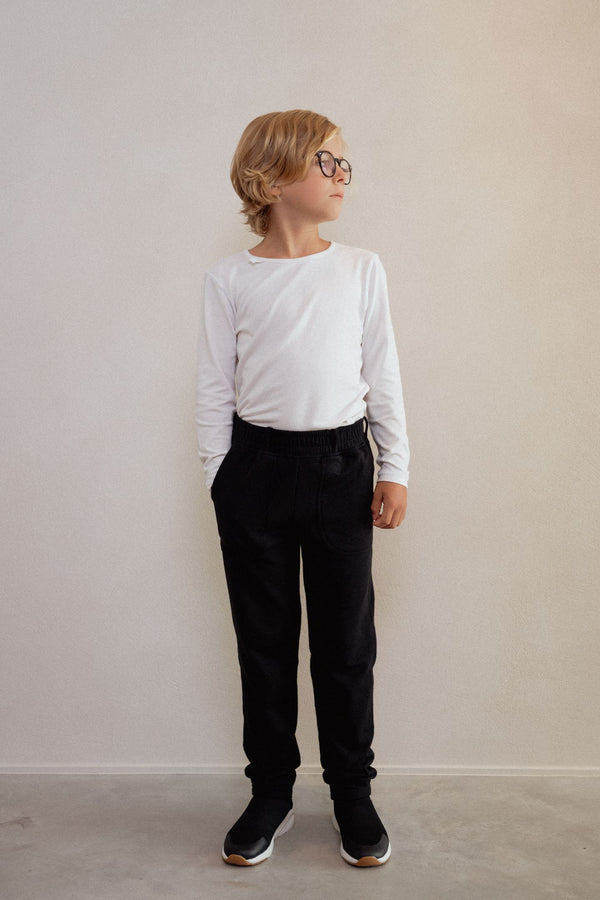
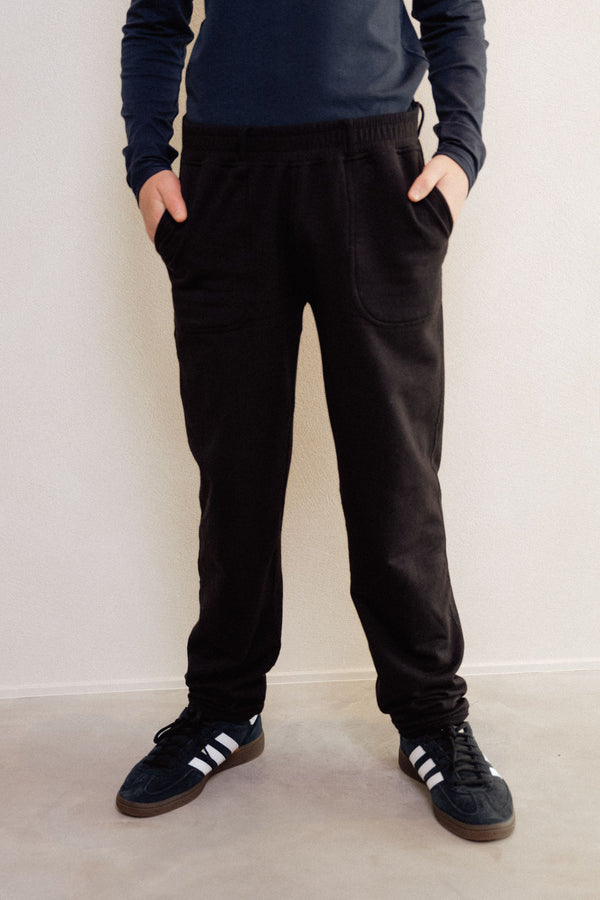
Sensory friendly pants for boys are designed by removing or softening elements that commonly cause overload. The focus is not fashion trends, but physical comfort and nervous system regulation.
Key characteristics include:
-
Seamless or flat-stitched interiors
-
No internal labels or tags
-
Soft, breathable fabrics such as organic cotton or bamboo
-
Elastic waistbands that distribute pressure evenly
-
Flexible fits that move with the body
Unlike standard children’s pants, these designs are tested through wear experience rather than appearance alone. Many parents notice reduced resistance during dressing and fewer emotional escalations once sensory triggers are removed.
How to Choose the Right Sensory Friendly Pants for Boys
Not all “soft” pants are truly sensory friendly. Small details matter.
When choosing sensory friendly pants for boys, look for:
-
Fit and sizing
Pants should allow free movement without pressure points. A relaxed fit often feels safer than slim cuts. -
Fabric quality
Natural, breathable materials reduce heat and friction. -
Internal construction
Check the inside, not just the outside. Even decorative seams can cause discomfort. -
Waistband design
Even pressure is more important than tightness or looseness. -
Durability and care
Frequent washing should not make the fabric rougher over time. -
Child preference
Let your child touch and assess the fabric. Autonomy supports acceptance.
Brands such as Blusss focus specifically on sensory-friendly construction, combining a calm inside with a neutral, age-appropriate outside. Their sensory-friendly pants category is designed to support daily routines without drawing attention.
Practical Ways Parents can Reduce Clothing Stress
Clothing solutions work best when paired with supportive routines.
Helpful strategies include:
-
Letting your child choose between two acceptable options
-
Washing new clothing before wearing to increase softness
-
Introducing new pants gradually, starting with short periods
-
Keeping the dressing environment calm and unhurried
-
Accepting comfort as a priority, even on school days
These steps align with guidance commonly shared by occupational therapists working with sensory-sensitive children.
FAQ
Why do sensory friendly pants for boys reduce morning stress?
By removing tactile triggers such as seams and labels, sensory friendly pants reduce nervous system overload. When physical discomfort decreases, emotional regulation improves. This often leads to calmer mornings and fewer power struggles.
How can parents tell if clothing refusal is sensory-related?
If a child consistently reacts to specific textures, seams, or tight areas, sensory sensitivity is likely involved. Observing patterns across different garments helps clarify the cause. An occupational therapist can offer further insight if needed.
What if my child refuses even sensory friendly pants for boys at first?
New sensations can still feel unfamiliar. Gradual exposure, choice, and predictability help build trust. Many children accept new pants more easily when they control when and how they try them.
Does wearing sensory friendly pants for boys help at school too?
Comfort supports focus and emotional regulation throughout the day. When clothing stops demanding attention, children can engage more fully with learning and social interaction.
A gentle next step
If clothing stress is part of your daily routine, exploring the Blusss sensory-friendly pants collection can be a practical starting point. Many parents find that reducing physical discomfort helps their child feel safer and more settled throughout the day.