Sensory-Friendly Travel Clothing: Comfortable, Calmer Journeys Without Overload

Sensory-friendly travel clothing helps children and adults with sensory sensitivity stay comfortable and regulated during long car rides, flights, and travel days. Soft fabrics, minimal seams, and predictable fits reduce irritation so the body can relax.
At Blusss, many families share the same experience: a trip that should feel exciting starts with discomfort or restlessness. The right clothing doesn’t solve everything, but it removes one major source of sensory stress so the focus can return to the journey itself.
What is Sensory-Friendly Travel Clothing?
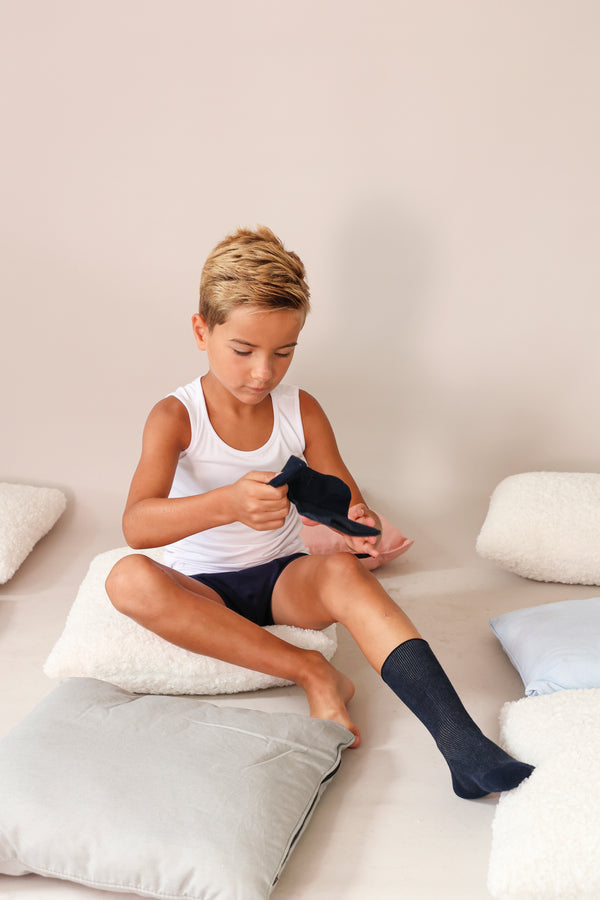
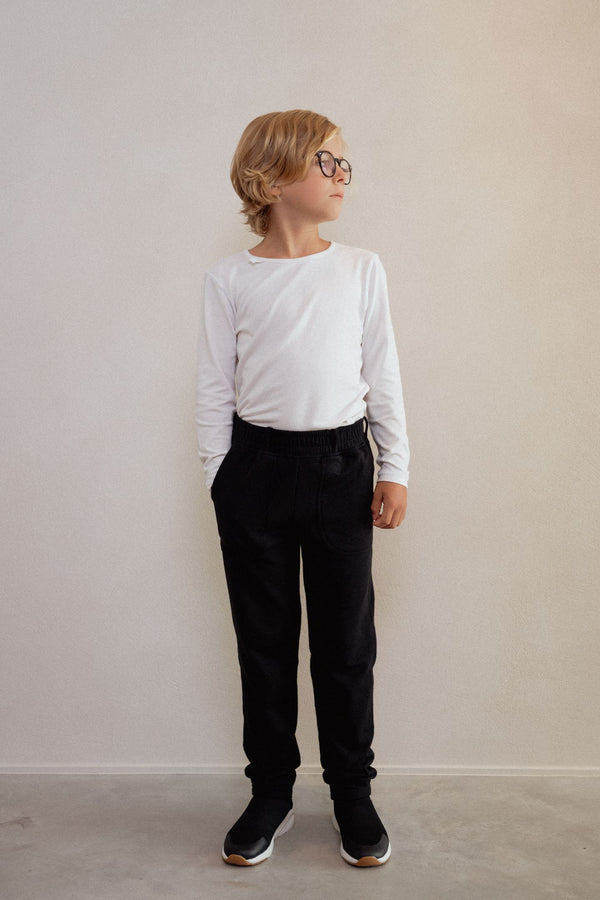
Sensory-friendly travel clothing is designed to reduce sensory input during travel. Typical features include:
- Soft, breathable fabrics
- No scratchy labels
- Flat or minimal seams
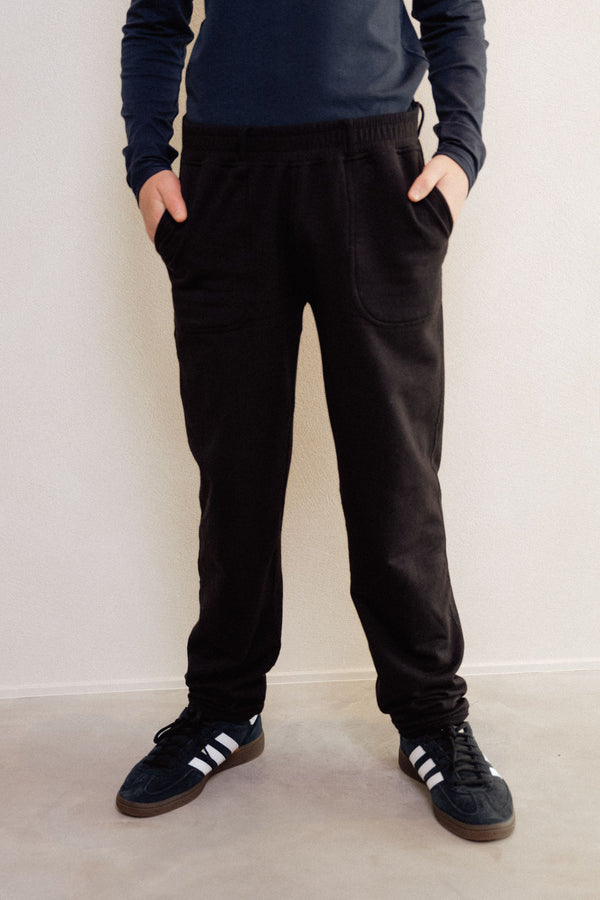
- Flexible, non-restrictive fits
These elements help the body stay calm, even during long periods of sitting or limited movement.
Why Travel can be Sensory-Overloading
Travel exposes the body to constant stimuli, such as:
- Vehicle vibrations
- Temperature changes
- Seat pressure
- Noise and crowds
For sensory-sensitive individuals, these inputs build up quickly and can lead to fatigue or irritability. Comfortable clothing lowers baseline stimulation, making it easier for the nervous system to stay regulated.
How to Choose Comfortable Travel Clothing
1. Choose soft, breathable materials
Fabrics like cotton or bamboo feel predictable and reduce irritation.
2. Avoid pressure points
Skip tight waistbands, rough seams, or labels that press into the skin while sitting.
3. Dress in layers
Layering helps you adapt easily to temperature changes.
4. Test outfits in advance
Wearing the clothing beforehand builds familiarity and comfort.
Who Benefits from Sensory-Friendly Travel Clothing?
- Children with sensory sensitivities
- Autistic individuals
- Highly sensitive people
- Anyone who experiences discomfort during travel
Even without a diagnosis, reducing physical irritation can make travel significantly more pleasant.
FAQ
Why is travelling with autism often more exhausting?
Travel involves unpredictable sensory input like noise, movement, and crowds. Processing these signals requires more energy. Comfortable clothing reduces one layer of stimulation, making regulation easier.
What is the best outfit for a long car ride?
Choose soft, flexible clothing without pressure points. Avoid tight or rough fabrics that can become irritating when sitting for long periods.
Can clothing really reduce travel stress?
Yes. When the body experiences fewer physical irritations, baseline tension decreases, making it easier to cope with other travel stimuli.
Conclusion
Comfort during travel starts with a calm physical baseline. Sensory-friendly travel clothing reduces unnecessary sensory input, helping both children and adults experience smoother, more manageable journeys.