Why Do I Feel Overwhelmed All the Time? Causes, Symptoms & What Actually Helps

If you feel overwhelmed all the time, even when nothing specific is wrong, your nervous system is likely dealing with more input than it has time to recover from. It is not a personal flaw, and you are not imagining it.
In this article, you will learn what constant overwhelm really is, why it can appear "for no reason," how it differs from anxiety and burnout, and what helps — both in the moment and in the long run.
What Does It Mean to Feel Overwhelmed All the Time?
Feeling overwhelmed all the time is a stress response where your brain stays in a constant state of mental, emotional, or sensory overload. It can feel like your thoughts are too full, even when nothing specific is "wrong."
Instead of one clear cause, overwhelm usually comes from many small demands stacking up at once: work, social pressure, digital input, and internal expectations. Over time, your nervous system struggles to fully reset, which creates a persistent sense of pressure or fatigue.
This is often linked to chronic stress activation, where the body stays slightly "on alert" instead of returning to a calm baseline. Harvard Health Publishing explains how chronic stress keeps the body in a prolonged stress response, long after the original trigger has passed.
Why Do I Feel Overwhelmed for No Reason?
Even when it feels like there is no clear cause, overwhelm usually has hidden drivers. The most common ones are:
- Accumulated small stressors throughout the day
- Too many decisions (decision fatigue)
- Constant notifications and digital input
- Lack of recovery time between tasks
- Emotional processing that hasn't fully resolved
Your brain does not always label these as "stressful events," but it still reacts internally. Over time, this creates mental overload that can feel sudden or unexplained.
What Are the Symptoms of Feeling Overwhelmed All the Time?
The most common signs of constant overwhelm are racing thoughts, difficulty focusing, fatigue that rest doesn't fix, and a persistent sense of urgency. In full:
- Racing thoughts or mental clutter
- Difficulty focusing or completing tasks
- Feeling tired even after rest
- Irritability or emotional sensitivity
- Trouble making simple decisions
- A constant sense of urgency or pressure
- Feeling mentally full or overstimulated
These symptoms are often associated with stress overload, where the nervous system stays in a heightened state for too long. Many adults tell us they only recognized this pattern once someone described it back to them, the feeling of being "full" without being able to point at why.
Is Overwhelm the Same as Anxiety or Burnout?
No, but they are closely related and knowing the difference helps you choose the right kind of support.
Overwhelm
Overwhelm is usually a short-term but intense state caused by too much input at once. It often improves when pressure decreases or when you recover.
Anxiety
Anxiety is more persistent and thought-driven, often involving worry patterns about future events.
Burnout
Burnout develops when overwhelm and stress are chronic and unresolved over time, leading to emotional exhaustion, reduced motivation, and mental fatigue.
In simple terms:
- Overwhelm = too much happening now
- Anxiety = ongoing worry patterns
- Burnout = long-term depletion
Why Modern Life Makes Overwhelm Worse
Modern environments are not designed for recovery — they are designed for input. Cognitive and sensory load keeps rising through:
- Continuous notifications and screen exposure
- Multitasking expectations
- Fast decision-making cycles
- Limited quiet or restorative time
This means the brain rarely gets full "offline" moments, which are essential for nervous system regulation.
How Do You Stop Feeling Overwhelmed Quickly? (5 Steps)
The fastest way to reduce overwhelm is to lower the input to your nervous system. There is no instant fix, but these five steps reduce intensity within minutes:
- Step away from screens and silence notifications.
- Focus on one task only — no multitasking.
- Slow your breathing for two to three minutes.
- Reduce noise, light, or other sensory input where you can.
- Pause between activities instead of rushing to the next one.
Even short breaks like these signal your nervous system that it is safe to downshift.
What Helps Long-Term with Overwhelm?
Long-term improvement comes from building recovery into your daily rhythm, not from eliminating stress completely. Helpful strategies include:
- Regular short breaks throughout the day
- Reducing unnecessary cognitive load
- Creating quiet time without input
- Improving sleep consistency
- Practicing grounding or slow breathing
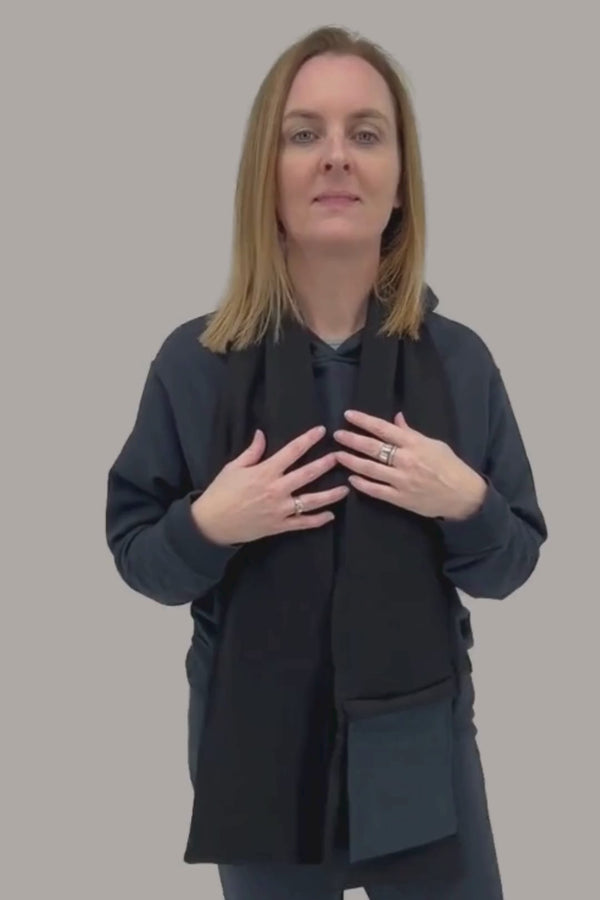
Support tools can also help regulate sensory and cognitive overload. For example, Blusss offers discreet fidget and chewy tools for adults that give restless hands a calm outlet, and calming weighted collars that use gentle deep pressure to help settle an overstimulated nervous system — creating more moments of recovery during the day.
The goal is not to remove all stress, but to balance activation with recovery.
When Should You Take Overwhelm Seriously?
Overwhelm deserves closer attention when it becomes a daily pattern rather than an occasional peak. Pay attention if it:
- Happens daily or very frequently
- Affects your ability to function or focus
- Leads to emotional exhaustion
- Does not improve with rest
In these cases, overwhelm may be moving toward chronic stress patterns that benefit from structured support, lifestyle changes, or a conversation with a healthcare professional.
Create More Recovery Space in Your Day
You don't have to fix everything at once. Often, one small change — a quiet pause, one less input, a grounding tool within reach — is enough to help your nervous system find its way back to calm.
Curious which tools fit your daily life? Explore the Blusss anxiety calming collection, designed for adults who want subtle, stylish support against overstimulation.
FAQ
Why do I feel overwhelmed all the time even when nothing is wrong?
Because your brain may still be processing accumulated stress from many small inputs. Even without a single trigger, these build up and create mental overload.
What is emotional overwhelm?
Emotional overwhelm happens when your nervous system receives more emotional or cognitive input than it can process at once, leading to shutdown, stress, or confusion.
How long does feeling overwhelmed last?
It depends on the cause. Short-term overwhelm may last minutes to hours. If stress is ongoing, it can persist until recovery habits or environmental changes are introduced.
Is feeling overwhelmed a symptom of anxiety?
It can be, but not always. Overwhelm is a response to too much input right now, while anxiety involves ongoing worry patterns. If overwhelm is frequent and paired with persistent worry, it may be part of an anxiety pattern.
How do I calm my nervous system when I feel overwhelmed?
Lower your sensory input: step away from screens, slow your breathing, reduce noise, and focus on one thing at a time. Grounding tools like deep pressure or tactile fidgets can support this process.
Can sensory tools help with feeling overwhelmed?
Yes. Tools like weighted collars and discreet fidgets give your nervous system calming, predictable input, which helps it downshift from a heightened state — especially useful during work, travel, or busy environments.
Key Takeaways
- Constant overwhelm is a nervous system response to sustained overload — not a personal flaw.
- It usually builds from many small inputs, which is why it can feel like it has "no reason."
- The most effective solution is not pushing harder, but creating more recovery space throughout the day.