Stress from Tight Elastic on Children: How Clothing Causes Discomfort and How to Help

For many parents, clothing stress is a recurring challenge. You notice it when your child puts on a shirt, socks, or pants — tight edges and elastics can make them fidget, pull at clothes, or even refuse to move.
As a parent, it’s frustrating to watch your child struggle with dressing. Everyday clothing became a real source of stress.
The good news? With the right clothing choices, you can make dressing easier, more comfortable, and even fun for children with sensory sensitivities.
Why Are Some Children Sensitive to Elastic Waistbands?
Tight edges and elastic create constant pressure that sensitive children feel more strongly. This is often called clothing pressure in children, and the nervous system interprets it as an uncomfortable stimulus.
Children may show:
-
Restlessness or frustration while dressing
-
Avoidance of certain clothes
-
Short temper or emotional outbursts
Children with sensory processing sensitivities are especially affected. Even normal clothing can feel restrictive, while soft, loose-fitting clothes can provide immediate relief.
Why Is Tight Elastic So Difficult for Sensitive Children?
It’s all about how the nervous system processes touch and pressure. Children with sensory sensitivities often cannot ignore small discomforts.
Children with sensory sensitivities often experience clothing pressure more intensely because their nervous system processes touch differently. Research on sensory processing explains why textures, seams, and elastic bands can trigger discomfort in some children. Read more about sensory sensitivity at the Child Mind Institute.
Tight edges on sleeves, pants, or socks aren’t just a minor annoyance — they are genuine stress triggers. This can lead to:
-
Difficulty dressing independently
-
Fatigue from constant tension
-
Emotional outbursts at school or home
It’s important to remember: it’s not stubbornness — it’s a physical response to clothing that doesn’t suit their sensitivity.
Practical Tips to Reduce Clothing Stress
Here’s how you can make dressing stress-free:
-
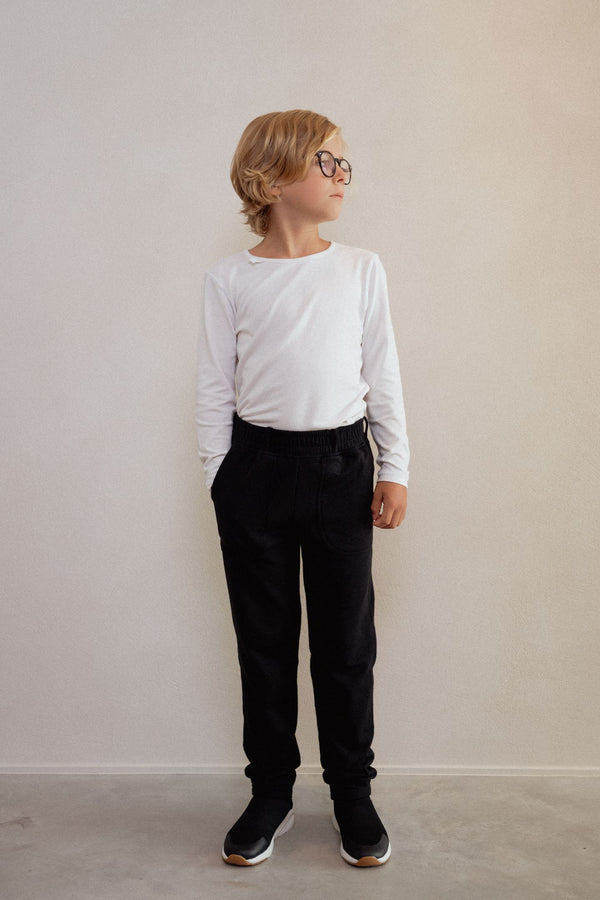
Choose loose-fit clothing – Avoid tight sleeves, pants, or waistbands that pinch.
-
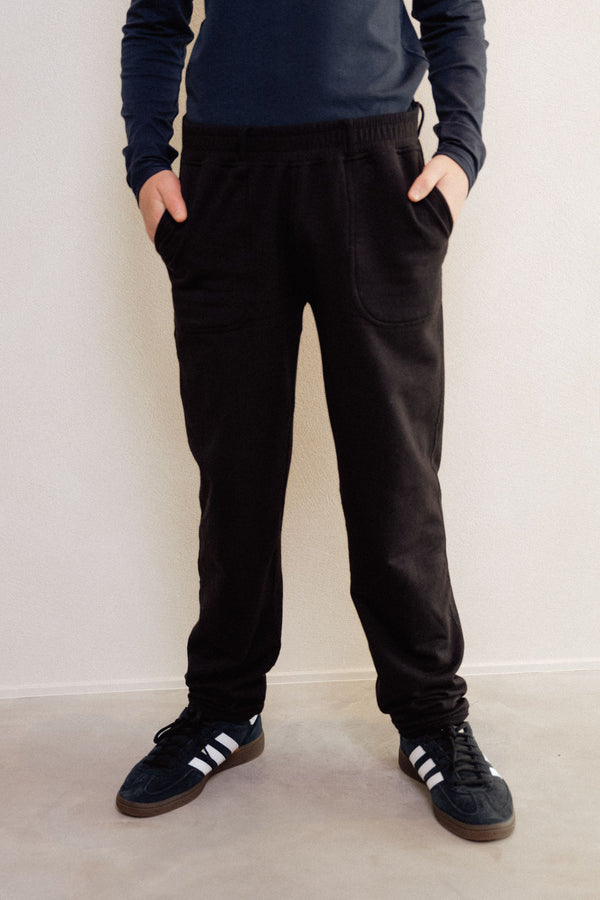
Look for soft elastics – Socks, pants, and sleeves with soft stretch provide comfort.
-
Avoid pressure points – Especially around the neck, wrists, and ankles.
-
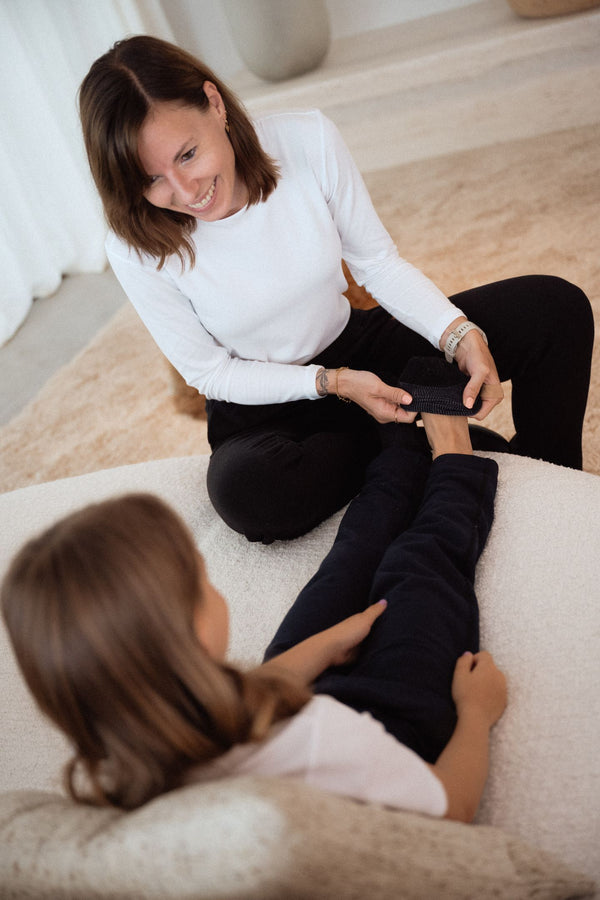
Let your child choose clothes – Touch and preference improve comfort and independence.
-
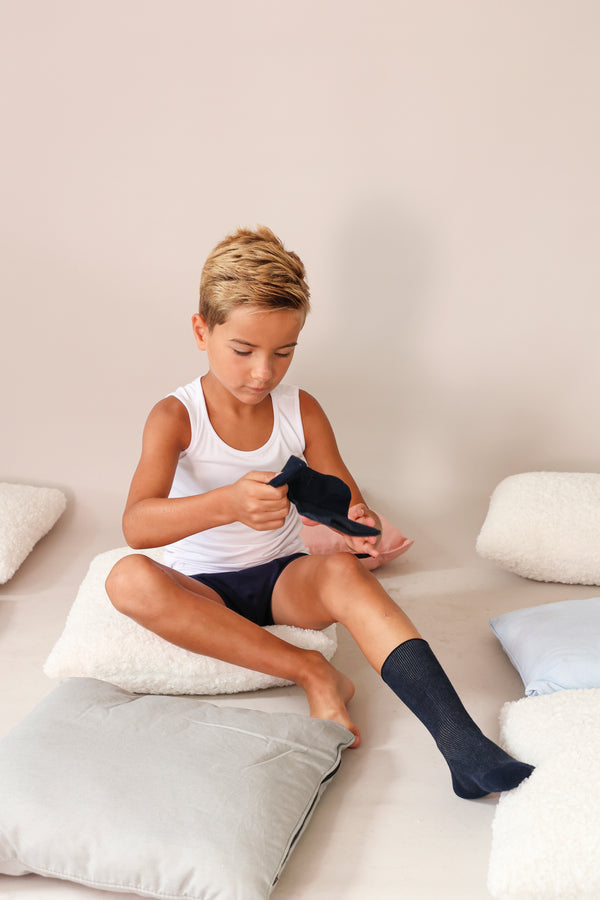
Consider sensory-friendly brands – Clothing like Blusss is designed for children with sensitivity.
Even small changes can turn dressing from a daily struggle into a stress-free routine.
Signs Your Child Is Uncomfortable with Clothing
-
Constantly pulling at sleeves, socks, or waistbands
-
Refusal to wear certain clothing items
-
Irritability or meltdowns during dressing
-
Avoidance of activities due to restrictive clothing
Recognizing these signs helps you act early and prevent unnecessary stress.
FAQ
Why does my child dislike elastic?
Elastic creates constant pressure, which children with sensory sensitivity perceive as restrictive. This triggers stress and discomfort during dressing.
Which clothing has no tight edges?
Look for loose-fit clothes with soft waistbands, cuffs, and collars. Pants, shirts, and socks without tight elastics are ideal.
How can I prevent clothing stress from elastic?
-
Avoid tight edges
-
Choose soft, stretchy materials
-
Let your child touch and select clothes for comfort
Conclusion
Stress from elastic on children comes from pressure that overwhelms the nervous system. Tight edges in clothing lead to discomfort, frustration, and even emotional outbursts.
Soft elastics, loose fits, and sensory-friendly clothing can transform dressing into a comfortable, stress-free routine. Support your child’s independence and confidence with the right clothing choices.
Call to Action:
Try Blusss clothing with loose fits and soft elastics to reduce stress moments. Make dressing a calm, comfortable, and positive experience for your child.