Clothing for Eczema: A practical guide to comfortable, skin-friendly choices

Living with eczema can make something as simple as getting dressed uncomfortable. The wrong fabrics, seams, or tight clothing can quickly trigger itching, redness, or irritation. Choosing the right clothing for eczema can therefore play an important role in protecting sensitive skin and improving everyday comfort.
For people with eczema, clothing is not just a style choice, it can influence how calm or irritated the skin feels throughout the day. Understanding which materials and garment designs work best can help reduce friction, overheating, and other common triggers.
This guide explains why clothing affects eczema, which fabrics are most suitable for sensitive skin, and how to choose eczema-friendly clothing that supports daily comfort.
Why Clothing can Trigger Eczema Irritation
Eczema, also known as Atopic dermatitis, weakens the skin’s natural protective barrier. When this barrier is compromised, the skin becomes more sensitive to heat, moisture, and physical friction.
Because of this increased sensitivity, small details in clothing can make a significant difference. Common triggers include:
-
rough seams rubbing against the skin
-
tags or labels causing constant itching
-
tight elastics creating pressure points
-
synthetic fabrics trapping heat and sweat
For many people with eczema, these factors can lead to redness, itching, or flare-ups during everyday activities.
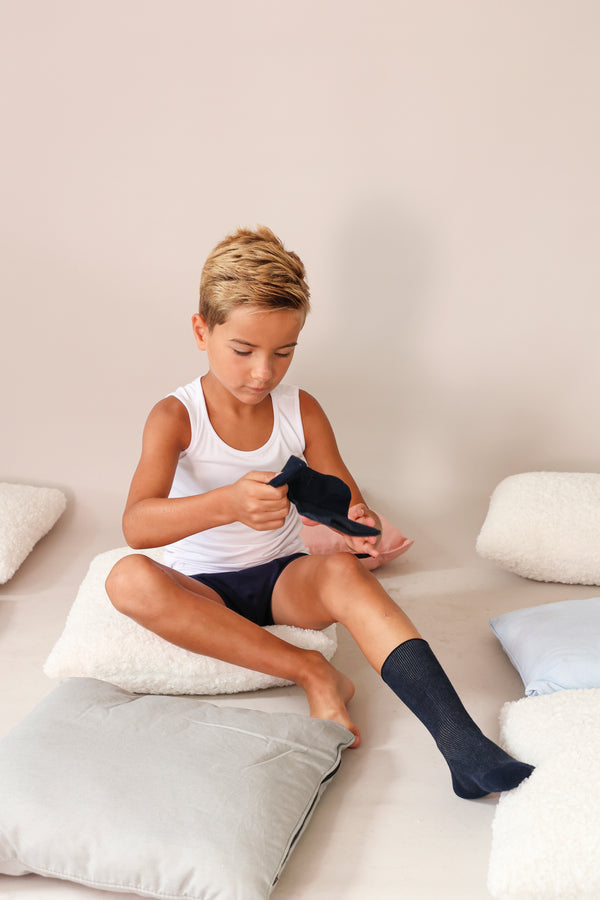
Children with eczema often notice this even more strongly. School uniforms, sports clothing, or socks with thick seams may cause irritation that continues throughout the day.
The National Eczema Association notes that reducing friction and choosing appropriate fabrics can help manage eczema symptoms and support skin comfort.
Why Eczema Makes Skin More Sensitive
Healthy skin acts as a protective barrier that locks in moisture and keeps irritants out. In people with eczema, this barrier does not function as effectively.
As a result:
-
the skin loses moisture more quickly
-
nerve endings become more sensitive
-
heat and friction trigger stronger reactions
Even fabrics that normally feel soft can become irritating if clothing contains rough stitching, seams, or tight elastic bands.
Breathable materials and smooth garment construction are therefore essential when choosing clothing for sensitive or eczema-prone skin.
Best Fabrics for Eczema-Friendly Clothing
People with eczema usually benefit most from soft, breathable fabrics that help regulate temperature and reduce friction on the skin.
Cotton
Cotton is one of the most widely recommended fabrics for sensitive skin.
Benefits include:
-
soft texture
-
excellent breathability
-
low irritation risk
Organic cotton can be especially helpful because it is less likely to contain chemical residues from processing.
Bamboo
Bamboo fabrics are increasingly popular for eczema-friendly clothing.
They are known for:
-
very smooth fibers
-
moisture-absorbing properties
-
natural temperature regulation
These qualities help reduce heat and friction, which are common triggers for eczema discomfort.
Silk
Silk creates a very smooth surface that glides over the skin.
This can help reduce irritation caused by:
-
friction
-
rough seams
-
tight clothing
Some dermatologists recommend silk sleepwear or underwear for people who experience itching during the night.
Additional information about skin-friendly fabrics can be found through the American Academy of Dermatology.

Fabrics that may Worsen Eczema Symptoms
Certain fabrics are more likely to trigger irritation or discomfort for eczema-prone skin.
Wool
Although warm, wool fibers can feel prickly and create friction against sensitive skin.
Synthetic fabrics
Materials such as polyester, nylon, or spandex may:
-
trap heat
-
hold sweat close to the skin
-
increase itching or irritation
Chemically treated fabrics
Clothing treated with heavy dyes, fragrances, or finishing chemicals may trigger skin reactions in some people.
How Clothing Design Affects Eczema Comfort
Fabric choice is important, but the construction of a garment can also influence skin comfort.
Many people with eczema find irritation caused by:
-
thick seams
-
rough stitching
-
tight cuffs or waistbands
-
internal labels or tags
Clothing designed to reduce these triggers is often referred to as sensory-friendly clothing.
Sensory-friendly garments typically include:
-
flat or minimal seams
-
tag-free designs
-
soft materials
-
relaxed and comfortable fits
These design features help reduce pressure and friction on sensitive skin.
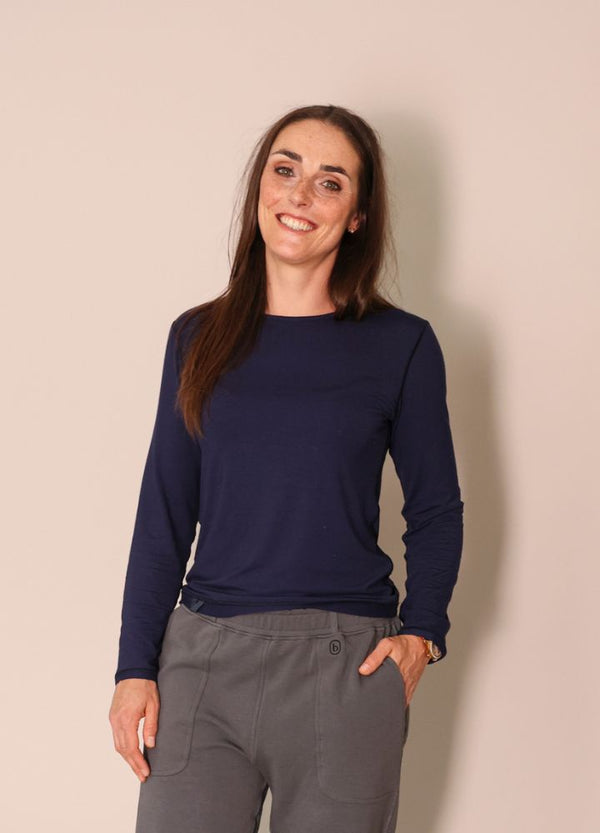
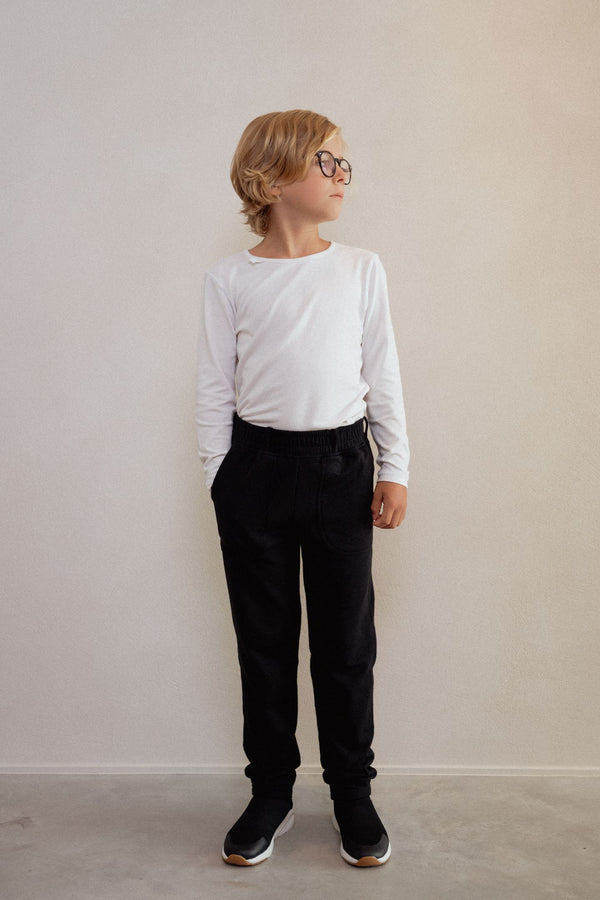
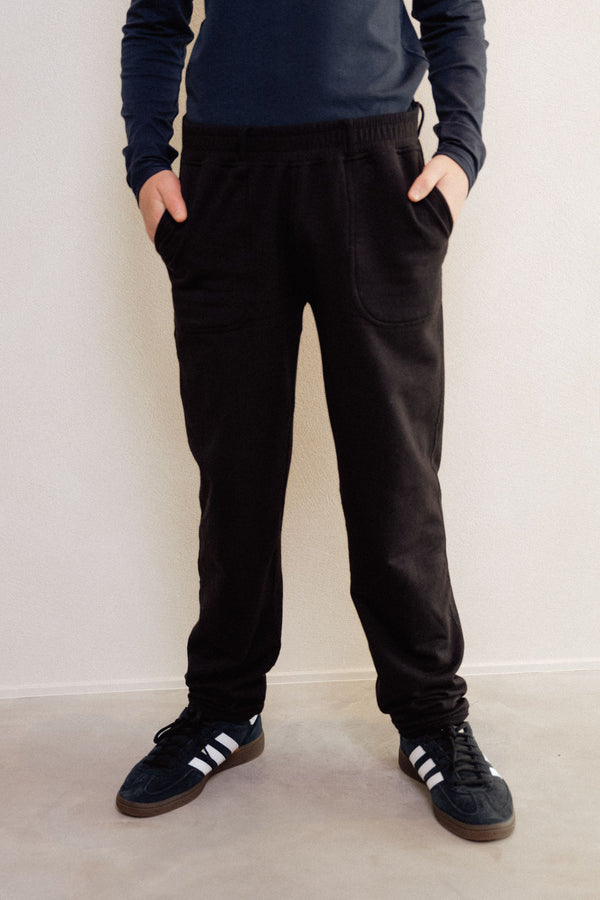
Some clothing brands focus specifically on sensory comfort and sensitive skin, using construction techniques that avoid irritating seams or labels. Blusss develops sensory-friendly clothing designed to support people with sensitive skin and everyday comfort.
Practical Tips for Choosing Clothing for Eczema
Finding comfortable clothing for eczema becomes easier when focusing on a few key factors.
1. Choose breathable fabrics
Look for natural materials such as cotton, bamboo, or silk.
These fabrics allow air circulation and help prevent overheating.
2. Check seams and labels
Before buying clothing, examine the inside of the garment.
Avoid:
-
thick seams
-
stiff stitching
-
sewn-in labels
3. Choose loose, comfortable fits
Tight clothing increases friction and traps heat. Relaxed fits are often more comfortable for eczema-prone skin.
4. Wash new clothing before wearing
New garments may contain finishing chemicals from manufacturing. Washing them before first use helps remove these residues.
How Washing Clothing Can Affect Eczema
Laundry habits can influence skin comfort just as much as fabric choice.
Helpful practices include:
-
using fragrance-free detergent
-
avoiding fabric softeners
-
running an extra rinse cycle
-
air-drying when possible
These steps reduce detergent residue that might otherwise irritate sensitive skin.
Growing Awareness of Eczema-Friendly Clothing
Interest in eczema-friendly and sensory-friendly clothing has increased in recent years. Designers and clothing brands are increasingly focusing on comfort features such as:
-
tag-free designs
-
flat or hidden seams
-
breathable fabrics
-
temperature-regulating materials
These innovations aim to make everyday clothing more comfortable for people with sensitive skin while still maintaining practical style.
FAQ
Why does clothing trigger eczema flare-ups?
Clothing may trigger eczema when fabrics trap heat, cause friction, or contain irritating chemicals. Rough seams, synthetic materials, and tight garments can worsen itching and redness. Soft, breathable fabrics are usually more comfortable for sensitive skin.
What fabrics are best for eczema?
Fabrics commonly recommended for eczema include cotton, bamboo, and silk. These materials are breathable, smooth, and less likely to trap moisture compared with synthetic fabrics.
Can children with eczema struggle with regular clothing?
Yes. Many children with eczema find school uniforms, sportswear, or socks uncomfortable due to seams, labels, or tight elastic. Clothing designed for sensitive skin can help reduce irritation during daily activities.
Does sensory-friendly clothing help people with eczema?
Sensory-friendly clothing focuses on soft fabrics, minimal seams, and comfortable fits. These design features reduce friction and pressure on sensitive skin, which can help improve everyday comfort.
If regular clothing causes irritation, sensory-friendly garments can make a real difference. Blusss creates clothing designed to reduce friction, avoid irritating seams, and support everyday comfort for people with eczema or sensitive skin.
Explore the Blusss collection and find clothing designed with comfort in mind.