How to Self-Soothe When You Feel Overstimulated

Feeling overstimulated can happen when your brain is processing more sensory or emotional input than it can comfortably handle. This might show up in busy environments, stressful workdays, crowded spaces, or even at home when too many things demand your attention at once.
You might feel tense, irritable, emotionally overwhelmed, or mentally “foggy.” This is a natural stress response from your nervous system—not a personal failure.
This guide explains what is happening in your body and gives simple, practical ways to calm overstimulation quickly and gently.
What Is Overstimulation?
Overstimulation happens when your nervous system receives more input than it can process. This can include:
- Loud or constant noise
- Bright or flickering lights
- Strong emotions or social pressure
- Too many tasks or decisions
- Physical discomfort or crowded spaces
When this happens, your brain can shift into a stress response (often called “fight, flight, or freeze”), making it harder to think clearly or stay emotionally balanced.
The Cleveland Clinic explains how the nervous system responds during stress activation and sensory overload.
Signs You May Be Overstimulated
Common signs include:
- Feeling mentally overwhelmed or foggy
- Irritability or emotional sensitivity
- Difficulty focusing or making decisions
- Feeling like sounds or lights are “too much”
- Urge to escape or shut down
Recognizing these signs early makes it easier to regulate your nervous system before overwhelm increases.
Why Overstimulation Feels So Intense
Your nervous system is designed to protect you. When it detects too much input, it shifts into survival mode to reduce perceived risk.
In this state:
- Logical thinking becomes harder
- Emotional reactions feel stronger
- Small stressors can feel overwhelming
People who are highly sensitive to stimuli or under chronic stress may experience this more frequently.
How To Self-Soothe When Overstimulated (Fast Techniques)
These grounding techniques help your body signal safety and reduce sensory overload quickly.
1. Ground your body
Press your feet firmly into the floor. Notice the pressure and stability beneath you.
2. Use slow breathing
Try this simple pattern:
- Inhale for 4 seconds
- Exhale for 6 seconds
Longer exhalations help activate your calming response.
3. Reduce sensory input
- Lower lights if possible
- Step away from noise
- Close your eyes briefly
4. Use touch or pressure
Hold a textured object, press your hands together, or place a hand on your chest for calming physical feedback.
5. Name your surroundings
Identify:
- 3 things you can see
- 3 things you can hear
- 3 things you can feel
This helps shift focus away from overwhelm.
Long-Term Ways to Reduce Overstimulation
While fast techniques help in the moment, long-term regulation can reduce how often overload happens.
Helpful strategies include:
- Building quiet recovery time into your day
- Reducing constant background noise when possible
- Using predictable routines
- Practicing regular grounding exercises
- Identifying personal sensory triggers
Sensory Tools That Can Help
Some people benefit from discreet sensory support tools in daily life, such as subtle fidget items or soft tactile clothing features.
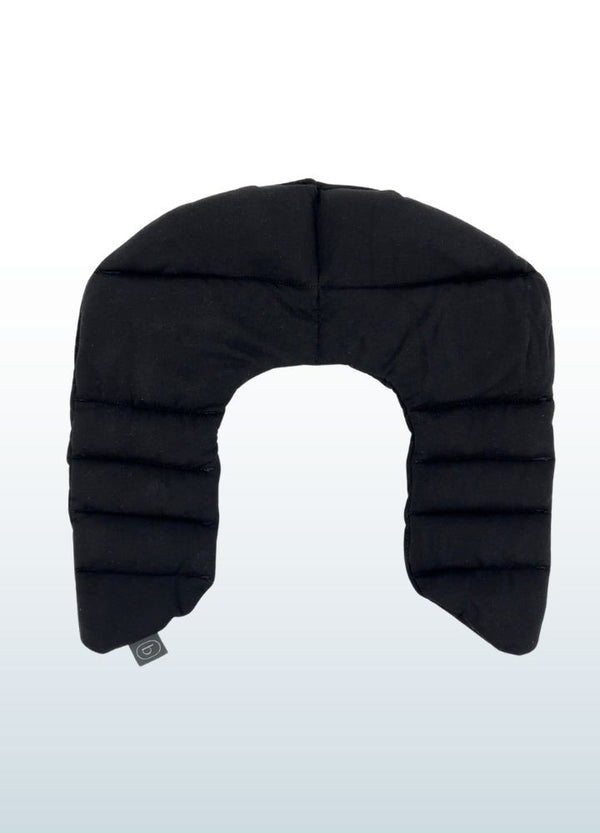
For example, sensory-friendly designs from Blusss focus on calm, low-profile sensory support that can be used in school, work, or public spaces without drawing attention.
FAQ
What is self-soothing?
Self-soothing is the ability to calm your body and mind during stress or sensory overload. It helps your nervous system return to a balanced state using grounding, breathing, or sensory regulation techniques.
How do I calm myself when overstimulated?
Focus on reducing input and grounding your attention in your body. Slow breathing, physical pressure, and stepping away from stimulation are effective first steps.
What are quick self-soothing techniques?
Quick methods include deep breathing, holding a textured object, reducing noise or light, and focusing on physical sensations like touch or pressure.