Best Socks for Sensory Issues: No More Sock Struggles

If sock seams, tight cuffs or scratchy fabrics make every morning harder, the right socks can change a lot. The best socks for sensory issues are seamless, ultra-soft and gentle on sensitive feet so kids and adults can start the day with more calm.
This guide helps you choose sensory-friendly socks for kids and adults who need seamless, ultra-soft and pressure-free comfort. No overwhelm, just clear choices that actually work.
Below you’ll learn what really matters when choosing socks for sensory issues, which features make the biggest difference, and why seamless bamboo socks are often the best solution for sensitive feet.
What Makes Socks Sensory-Friendly?
Sensory-friendly socks are designed to remove common triggers: toe seams, tight cuffs, rough fabrics, tags and bunching. For children, this can mean calmer mornings. For adults, it can mean less distraction and more comfort throughout the day.
Quick answer: What are the best socks for sensory issues?
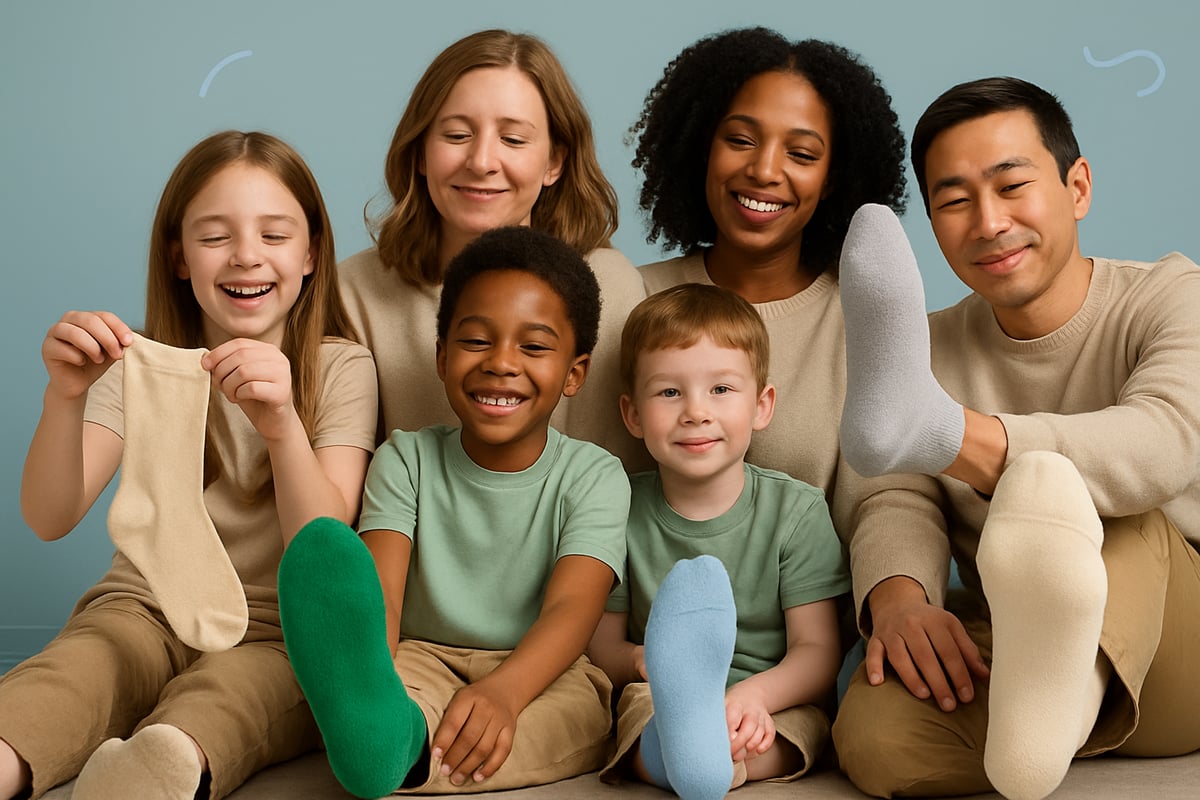
The best socks for sensory issues are seamless socks made from ultra-soft, breathable fabrics like bamboo, Tencel or combed cotton. Look for flat toe seams, gentle non-binding cuffs, no tags and a smooth fit that does not bunch, squeeze or scratch.
What Are Sensory Processing Issues?
Sensory processing issues occur when the brain has trouble receiving and responding to information from the senses. This can be seen in conditions like sensory processing disorder (SPD), autism, ADHD, and high sensitivity. Studies suggest up to 16% of children experience some form of SPD, with even higher rates in neurodiverse groups. Common symptoms include tactile defensiveness, a strong dislike of certain fabrics, and intense reactions to touch. These challenges can make finding suitable socks for sensory issues especially important. For more details on prevalence and classification, see the Prevalence and Classification of Sensory Processing Issues.
How Socks Affect Sensory Experiences
Socks are a daily essential, yet for those with sensory sensitivities, they can be a frequent trigger. Seams that rub, rough or synthetic textures, tight cuffs, and fabric bunching can all cause distress. Many children refuse to wear socks for sensory issues, while adults may find it hard to focus when their feet are irritated. Even a small discomfort can escalate, making simple routines challenging.
Emotional and Behavioral Impacts
Wearing uncomfortable socks for sensory issues can lead to more than physical discomfort. It may cause anxiety, meltdowns, or avoidance behaviors, especially in children. Mornings become smoother and less stressful when the right sensory-friendly socks are part of the routine. Families often share stories of how a simple switch in socks transformed daily life, reducing stress and making school or work transitions easier.
The Importance of Addressing Sensory Needs
Meeting sensory needs is about more than comfort—it’s about supporting focus, positive mood, and independence. When socks for sensory issues are chosen thoughtfully, individuals can participate more fully in everyday activities. This boost in comfort often leads to higher self-esteem and greater autonomy. Inclusive solutions help people of all ages feel understood and valued.
Who Benefits from Sensory-Friendly Socks?
The need for socks for sensory issues spans age and background. Children with autism, SPD, or ADHD often benefit most, but so do highly sensitive adults and those with delicate or reactive skin. Elderly individuals with neuropathy or medical conditions also find relief in sensory-friendly options. The right pair can make a world of difference for anyone who values comfort and well-being.
Parents often search for socks for kids with sensory issues that prevent morning stress, while adults look for sensory friendly socks that don’t distract them during work or daily activities.
Socks for Kids with Sensory Issues
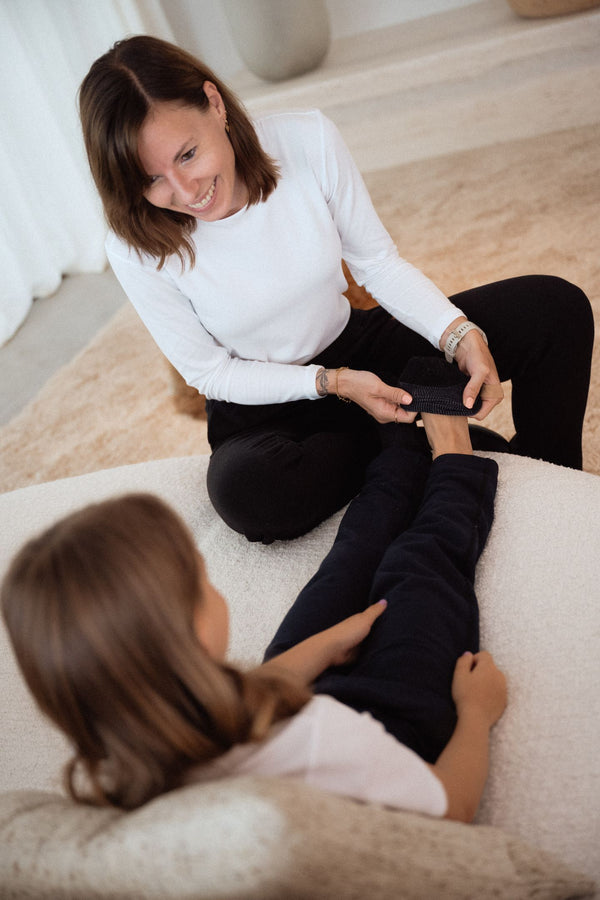
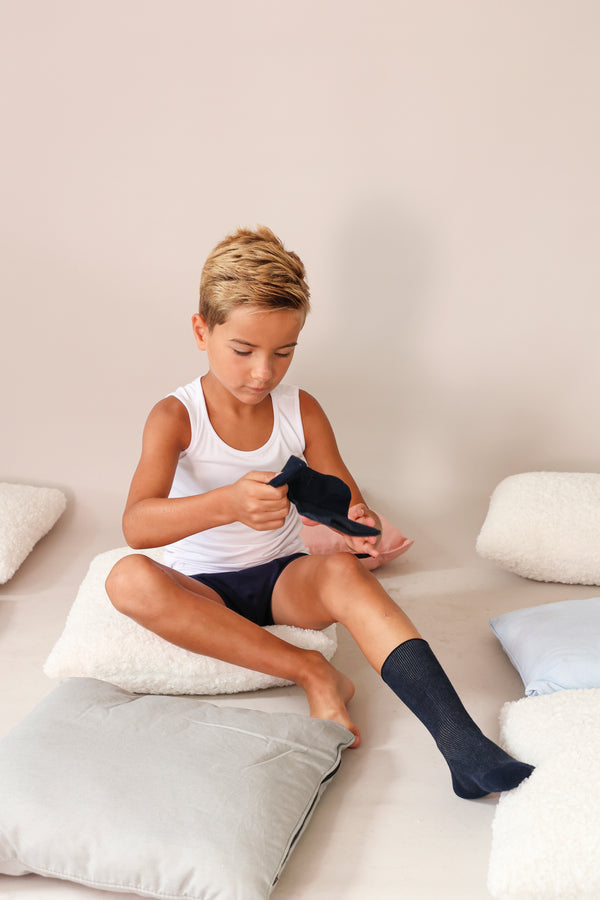
For many children, socks are not “just socks”. A small toe seam, a tight cuff or a rough fabric can feel overwhelming. This can lead to tears, refusal, delays and stressful mornings.
For kids with sensory issues, choose socks that are:
- seamless or flat-seamed at the toes
- soft enough to wear all day
- gentle around the ankle
- tag-free
- breathable, so feet do not overheat
- snug, but never tight
A calm sock routine often starts with removing the biggest triggers first.
Sensory-Friendly Socks for Adults
Adults with sensory sensitivity often need socks that stay comfortable during work, travel or daily routines. The best sensory-friendly socks for adults feel smooth, breathable and barely there. They should not squeeze the ankle, rub at the toes or distract you during the day.
Bamboo socks can be a soft option because the fabric feels smooth on the skin and helps regulate warmth and moisture.
Must-Have Features of Sensory-Friendly Socks
Finding the right socks for sensory issues can feel like searching for a hidden treasure. The challenge is real, but so is the relief when you discover socks that just work. Let’s break down the essential features that make a difference for sensitive feet, so you can finally step into comfort and confidence.
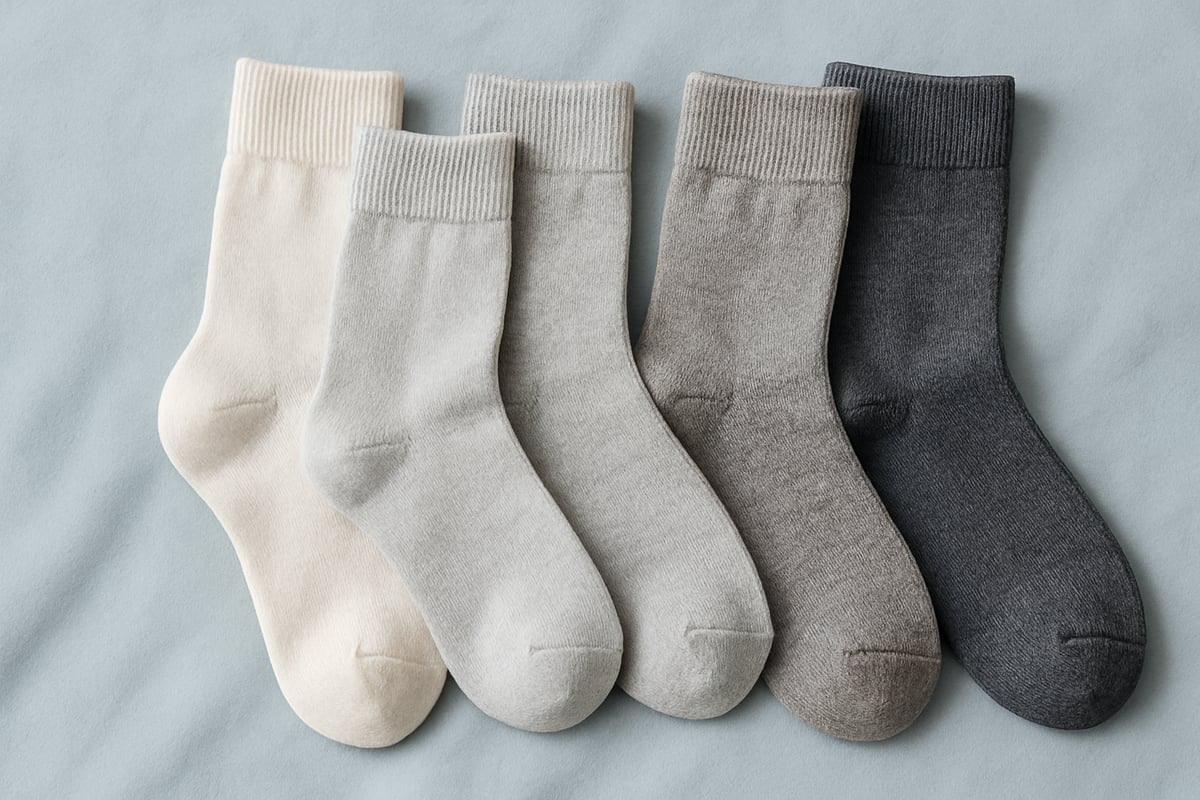
If you’re looking for the best socks for sensory issues, these are the features that truly make a difference.
-
Seamless construction – prevents friction and irritation.
-
Ultra-soft natural fabrics – like bamboo, Tencel, or combed cotton.
-
Gentle, non-binding cuffs – no squeezing or red marks.
-
Proper fit – snug but never tight, with options for different foot shapes.
-
Durability – soft even after many washes.
These features are what make the difference between regular socks and the best socks for sensory issues — especially for kids and adults with sensitive feet.
Ultra-Soft, Skin-Friendly Fabrics
If you’ve ever been bothered by scratchy socks, you know how important yarn choice is for socks for sensory issues. The best options use bamboo, modal, or combed cotton, all of which are naturally soft, breathable, and hypoallergenic.
These materials wick away moisture and help prevent overheating or chafing. Avoiding synthetic blends is key, since they can cause itchiness or irritation. For sensitive skin, the right material can make the difference between all-day comfort and constant distraction.
Gentle, Non-Binding Cuffs
A cuff that’s too tight can leave marks or feel restrictive. Sensory-friendly socks use soft stretch or rolled edges that stay in place without pressure — ideal for people who can’t stand tightness around their ankles.
Flat or Hidden Toe Seams
Even in “seamless” socks, some construction methods leave a small ridge at the toe. Flat seam technology uses a special stitching technique to create a nearly invisible, smooth finish.
This is a must-have for people who are especially sensitive in the toe area. Socks for sensory issues with flat or hidden seams help prevent rubbing, blisters, and sensory overload, so you can focus on your day.
Types of Sensory-Friendly Socks
Finding the right socks for sensory issues can transform daily comfort. With so many options now available, it's not easy to find the best socks solutions designed for sensitive feet. Let’s explore the different types and what makes each one special.
Everyday Seamless Socks
Perfect for daily comfort, these socks come in crew or ankle length. Seamless design ensures smooth wear from morning to night.
Athletic and Performance Socks
Designed for movement, with breathable fabrics and soft cushioning to reduce friction during activity.
Dress and Uniform Socks
Soft and neutral, ideal for work or school — combining comfort with a polished look.
Medical and Compression Socks
Made for sensitive skin or medical needs, with smooth interiors and gentle cuffs to support circulation.
Specialty Socks
From knee-high to patterned versions for kids, these maintain the same seamless comfort in every style.
Socks for Different Age Groups
Designing socks for sensory issues means considering all ages. Toddlers, kids, teens, and adults each have different sizing and style needs. For little ones, socks with gentle cuffs and easy-on features are essential. Teens and adults may prefer more variety in color and fit. Inclusive sizing ensures everyone can find the right pair, no matter their age or foot shape.
Gender-Inclusive and Adaptive Socks
Toddlers need easy-on cuffs, teens prefer discreet styles, and adults value durability and softness. Modern sensory-friendly socks are gender-inclusive and adaptable — because comfort shouldn’t depend on age or appearance.
Blusss Seamless Bamboo Socks for Sensory Issues
Blusss socks are designed for people who feel every seam, cuff or scratchy fabric a little too much. Our seamless bamboo socks are soft, breathable and pressure-free, with a smooth feel that supports sensitive feet throughout the day.
They are made for children, teens and adults who need comfort without distraction. No harsh seams. No tight feeling. Just calm, gentle socks that are easy to wear.
Explore Blusss seamless bamboo socks if you’re looking for sensory-friendly socks that feel soft from the first wear and finally stop the daily sock struggle.

Why Bamboo Socks Can Help Sensitive Feet
At Blusss, fabric innovation is always about sensory comfort. Our bamboo and Tencel blends are soft, breathable, and naturally hypoallergenic. These materials regulate temperature and prevent irritation — keeping feet dry, calm, and relaxed.
We focus on sustainable production, using planet-friendly fibers that stay soft wash after wash.
| Fabric | Key Benefits | Sensory Value |
|---|---|---|
| Bamboo | Soft, breathable, eco-safe | Gentle and hypoallergenic |
| Tencel | Smooth, cooling, moisture-wicking | Reduces irritation |
| Modal | Silky, lightweight | Feels soothing all day |
Smart Design Features
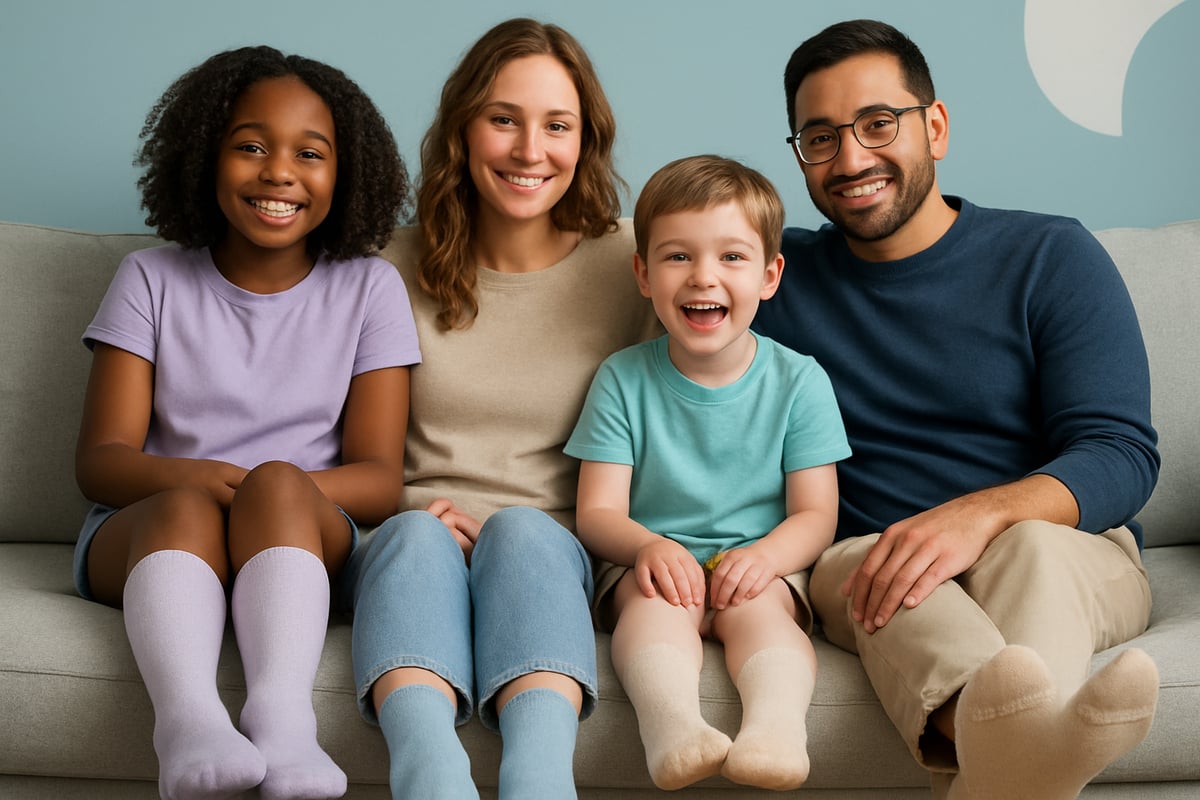
Our Blusss socks use flat-knit seamless construction to remove pressure points and create a barely-there feel. Gentle cuffs keep socks in place without squeezing, and natural stretch allows freedom of movement.
Each design is based on real sensory feedback — from kids who can’t tolerate seams to adults who crave calm comfort. Sometimes, the smallest detail makes the biggest difference.
Personalization and Customization
Everyone experiences sensory input differently. That’s why Blusss focuses on calm versatility — offering neutral colors and simple styles that blend easily into everyday life. You can choose the fit and fabric that feel best, knowing each piece supports sensory well-being.
Inclusive and Universal Design
Comfort should never depend on age or gender. Blusss socks are designed for all — kids, teens, and adults — with flexible materials that adapt to every foot. Our goal is simple: clothing that supports calm, confidence, and inclusion in everyday life.
Caring for Sensory-Friendly Socks
To keep your socks soft and lasting longer:
-
Wash inside out with mild, fragrance-free detergent.
-
Use cold or lukewarm water.
-
Avoid fabric softeners and dryer sheets.
-
Air dry or use low heat.
Fold or roll socks (never ball them up) to maintain their shape and softness.
How Blusss Compares to Other Sensory-Friendly Socks
When it comes to sensory-friendly socks, a few names consistently stand out for quality and comfort. Each brand offers a slightly different focus — from sporty performance to everyday calm.
Choosing the best socks for sensory issues depends on what your feet can tolerate. While some brands focus on sport or cotton basics, others — like Blusss — are designed entirely around sensory comfort.
| Brand | Key Features | Best For |
|---|---|---|
| Jefferies Socks | Seamless toe, soft cotton, no tags | Kids and adults who prefer classic cotton feel |
| Top Flite | Smooth toe, breathable performance fabric | Active lifestyles and sports |
| Blusss | Ultra-soft bamboo, seamless construction, tagless design | All ages — from highly sensitive kids to adults who value calm comfort |
Blusss sits alongside these trusted names as a brand that focuses on the sensory experience itself — how softness, flexibility, and mindful design can improve daily comfort. While others focus on style or sport, Blusss begins with how clothing feels on the skin — because that’s where calm starts.
Final Thoughts
If you or someone you love dreads putting on socks because they just feel wrong, you’re not alone — and you don’t have to settle for discomfort. The right pair can bring calm, focus, and ease back to everyday routines.
Explore seamless bamboo socks designed for sensory issues — trusted by kids and adults who want calm, comfortable feet every day.
FAQ
What are the best socks for sensory issues?
The best socks for sensory issues are seamless, soft, breathable and non-binding. Look for flat toe seams, gentle cuffs, no tags and fabrics like bamboo, Tencel or combed cotton.
Why do sock seams bother some people?
Sock seams can create pressure or friction around the toes. For people with sensory sensitivity, this small feeling can become distracting, painful or overwhelming.
Are seamless socks good for kids with sensory issues?
Yes. Seamless socks can help reduce common triggers like rubbing, bunching and tightness. They may make mornings calmer for children who usually refuse socks.
What fabric is best for sensory-friendly socks?
Soft natural fabrics like bamboo, Tencel and combed cotton are often good choices. They feel smooth, breathe well and are gentle on sensitive skin.
Should sensory socks be tight or loose?
They should feel secure but never tight. A good sensory-friendly sock stays in place without squeezing the ankle or leaving deep marks.
Are bamboo socks good for sensory issues?
Bamboo socks can be a helpful option because they are soft, breathable and smooth on the skin. For many sensitive feet, bamboo feels less scratchy than standard synthetic socks.