Best Fabrics for Sensitive Skin: Soft, Breathable & Calm

If clothing often feels itchy, tight, hot or distracting, the fabric may be part of the problem. For people with sensitive skin, eczema or sensory sensitivities, the right material can make daily dressing feel calmer and easier.
The best fabrics for sensitive skin are soft, breathable and smooth on the skin. Think organic cotton, bamboo viscose, Tencel and modal — and avoid rough wool, heat-trapping synthetics and scratchy seams where possible.
In this guide, you’ll learn which fabrics are less irritating, which materials to avoid, and how to choose clothing that supports sensitive skin and sensory comfort.
Quick answer: What are the best fabrics for sensitive skin?
The best fabrics for sensitive skin are soft, breathable and smooth. Organic cotton, bamboo viscose, Tencel and modal are often gentle choices because they help reduce friction, heat and moisture. Try to avoid rough wool, scratchy synthetics, harsh dyes and stiff finishes.
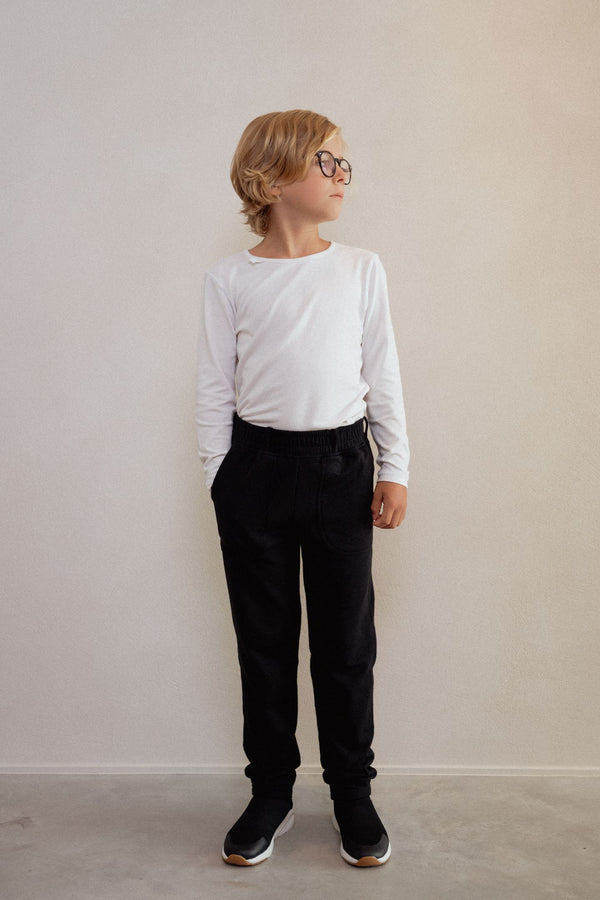
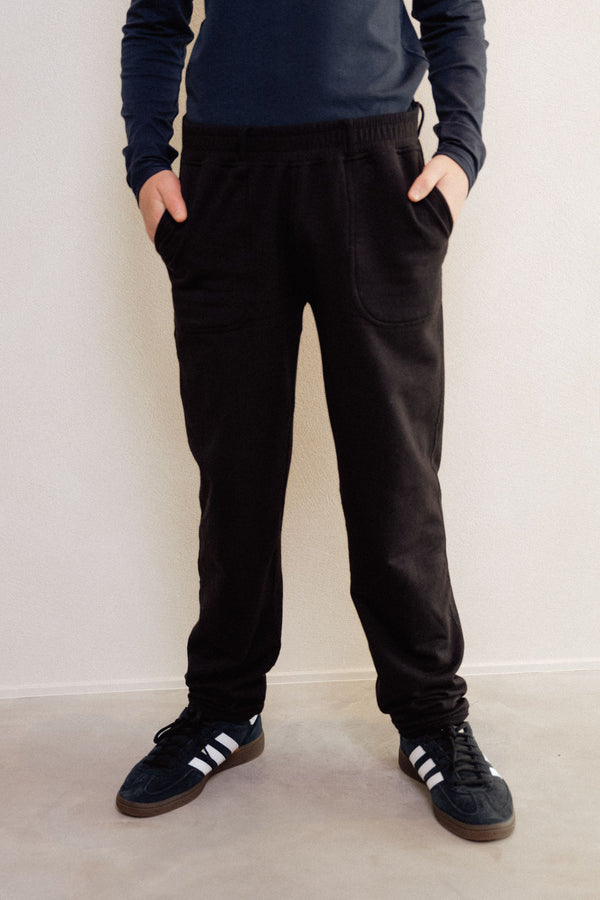
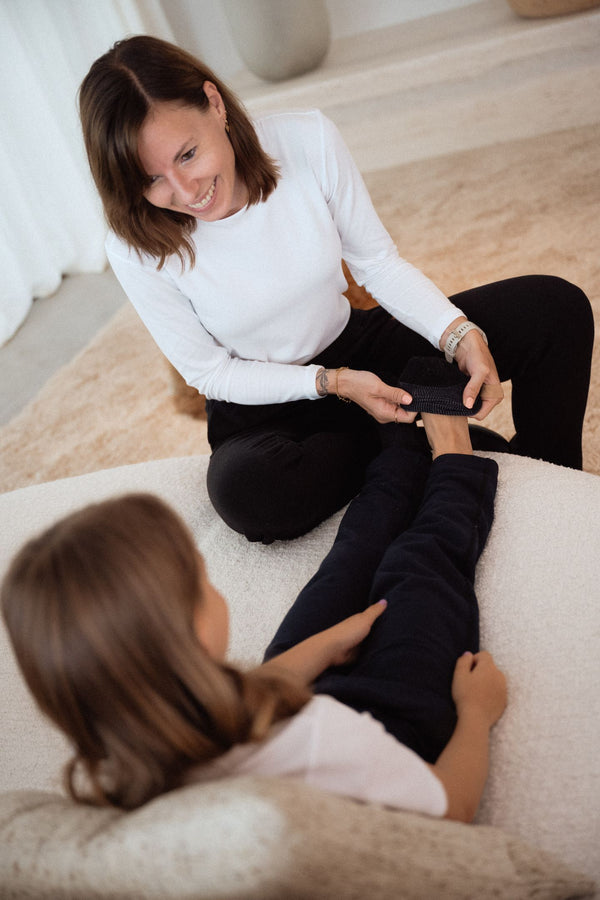
At Blusss, we design sensory-friendly essentials with soft, breathable materials and calm details like tag-free finishes, gentle fits and smooth construction. Because comfort starts with what touches your skin.
Explore soft sensory-friendly essentials designed for sensitive skin and everyday calm.
Understanding Sensitive Skin and Fabric Irritation
What Does “Sensitive Skin” Really Mean?
Sensitive skin is not one single condition. It can refer to eczema, contact dermatitis or easily irritated skin, but also to sensory sensitivities where clothing textures, seams or labels feel overwhelming.
For many neurodivergent people, clothing discomfort is not “just annoying.” A scratchy fabric, tight waistband or irritating seam can affect concentration, stress levels and emotional comfort throughout the day.
Why Fabric Matters
Clothing stays in contact with your skin all day long. That means fabric texture, breathability, moisture retention and temperature regulation can all affect comfort.
The Best Fabrics for Sensitive Skin
| Fabric | Why it helps | Best for |
|---|---|---|
| Organic cotton | Soft, breathable and gentle | Everyday basics, children’s clothing |
| Bamboo viscose | Smooth, cooling and very soft | Sensory-friendly clothing, socks, underwear |
| Tencel | Breathable and moisture-wicking | Warm days, sensitive or reactive skin |
| Modal | Silky, lightweight and durable | Soft layers and all-day comfort |
Organic Cotton
Organic cotton is one of the safest choices for sensitive skin. It is soft, breathable and naturally gentle on the body. Because it is grown without harsh pesticides or heavy chemical treatments, it may reduce the risk of irritation.
Its soft texture makes it especially suitable for children, people with eczema and anyone who dislikes rough fabrics.
Bamboo Viscose
Bamboo viscose is known for its smooth, silky feel. Many people with sensory sensitivities prefer it because it feels soft, cooling and lightweight on the skin.
It is also breathable and temperature-regulating, which can help reduce discomfort caused by overheating or trapped moisture.
Tencel (Lyocell)
Tencel is made from wood pulp and has a smooth, breathable structure that feels gentle against the skin.
It performs especially well in warm or humid conditions because it helps wick moisture away from the body. For people prone to heat irritation or sweat-related discomfort, this can make clothing feel noticeably calmer.
Modal
Modal is another wood-based fabric known for its softness and durability. It stays smooth even after repeated washing and resists pilling better than many other fabrics.
Its lightweight feel and soft drape make it ideal for comfortable everyday clothing.
Best Fabrics for Sensory Issues
For sensory issues, fabric choice is not only about skin reaction. It is also about how clothing feels on the body. A fabric can be medically safe, but still feel too rough, tight, hot or distracting.
The best fabrics for sensory issues usually feel:
- soft and smooth
- breathable
- lightweight
- flexible
- tag-free or easy to wear without labels
- comfortable with flat seams or seamless construction
Bamboo, Tencel, modal and soft cotton are often good starting points for sensory-friendly clothing.
If you are looking for sensory-friendly clothing, focus not only on the fabric itself, but also on the overall construction of the garment.
Fabrics to Avoid If You Have Sensitive Skin
Some fabrics can trap heat, hold moisture or feel rough against the skin. For sensitive skin or sensory sensitivities, these materials may cause itching, redness, distraction or discomfort.
Polyester, Nylon and Spandex
These synthetic fabrics are common in activewear, but they can feel clingy, hot or irritating. They may also hold sweat close to the skin, which can make sensitivity worse.
Some synthetic materials are also treated with dyes or chemical finishes that may trigger irritation.
Wool and Rough Knits
Wool is natural, but not always gentle. Even soft wool can feel scratchy to people with sensitive skin or tactile sensitivity.
Heavy knits or textured fabrics may also create friction against the skin, especially around the neck, wrists or waistline.
What People with Sensitive Skin Are Saying
“I love clothes, but sometimes even a seam can ruin my day,” says Anna, a 28-year-old with eczema. “Certain synthetics make my skin feel like it’s burning. I’ve learned to always check the label.”
Parents of neurodivergent children often hear phrases like “It’s itchy” or “It feels wrong,” even when clothing looks completely normal from the outside.
These reactions are real. Clothing discomfort can affect focus, mood, stress and daily wellbeing.
How to Choose Clothes for Sensitive Skin
1. Start with the fabric label
Choose organic cotton, bamboo, Tencel or modal where possible.
2. Feel the inside, not only the outside
Check seams, tags, waistbands and cuffs carefully. These are often the biggest triggers for irritation.
3. Avoid harsh finishes
Be careful with wrinkle-free, stain-resistant or heavily dyed clothing, as these may contain irritating chemical treatments.
4. Wash before wearing
New clothes can contain dye residues or finishing chemicals. Washing them before first wear may help soften the fabric and reduce irritation.
5. Choose comfort over tightness
Soft stretch can feel supportive, but clothing should never squeeze, rub or trap heat excessively.
Why Sensory-Friendly Clothing Makes a Difference
What Is Sensory-Friendly Clothing?
Sensory-friendly clothing is designed to reduce irritation and support comfort throughout the day.
Typical features include:
- seamless or flat-seamed construction
- tag-free finishes
- soft and breathable fabrics
- gentle stretch
- calm, comfortable fits
These small details can make a significant difference for people with autism, ADHD, sensory processing differences or highly sensitive skin.
The Science Behind Sensory Design
Research published in The American Journal of Occupational Therapy suggests that reducing tactile discomfort can help support emotional regulation, focus and comfort in people with sensory sensitivities.
Adults often report similar benefits in work, school and social settings when clothing feels calmer and less distracting.
FAQ
What is the best fabric for sensitive skin?
The best fabric for sensitive skin is usually soft, breathable and smooth. Organic cotton, bamboo viscose, Tencel and modal are often gentle choices.
What fabrics should I avoid with sensitive skin?
Try to avoid rough wool, scratchy synthetics, stiff fabrics, harsh dyes and chemical finishes like wrinkle-free or stain-resistant treatments.
Is bamboo fabric good for sensitive skin?
Yes. Bamboo viscose feels soft, smooth and breathable, which makes it popular in sensory-friendly clothing and comfortable basics.
Is cotton or bamboo better for sensitive skin?
Both can work well. Cotton feels breathable and familiar, while bamboo often feels smoother and cooler on the skin. The best option depends on personal preference and sensory comfort.
What fabric is best for sensory issues?
Soft cotton, bamboo, Tencel and modal are often good choices for sensory issues. Look for smooth textures, flat seams, tag-free designs and gentle fits.
Can clothing fabric trigger eczema or irritation?
Yes. Some fabrics can trap heat, hold moisture or create friction against the skin, which may worsen irritation or eczema symptoms. Soft breathable fabrics are usually more comfortable.
Final Thoughts
Choosing the right fabric is not only about avoiding irritation. It is about creating comfort, calm and confidence in everyday life.
Soft, breathable materials like cotton, bamboo, Tencel and modal can help reduce distraction, discomfort and sensory overload — especially when combined with thoughtful clothing design.
At Blusss, we believe comfort is more than a feeling. It is the foundation for feeling safe, calm and comfortable in your own skin.