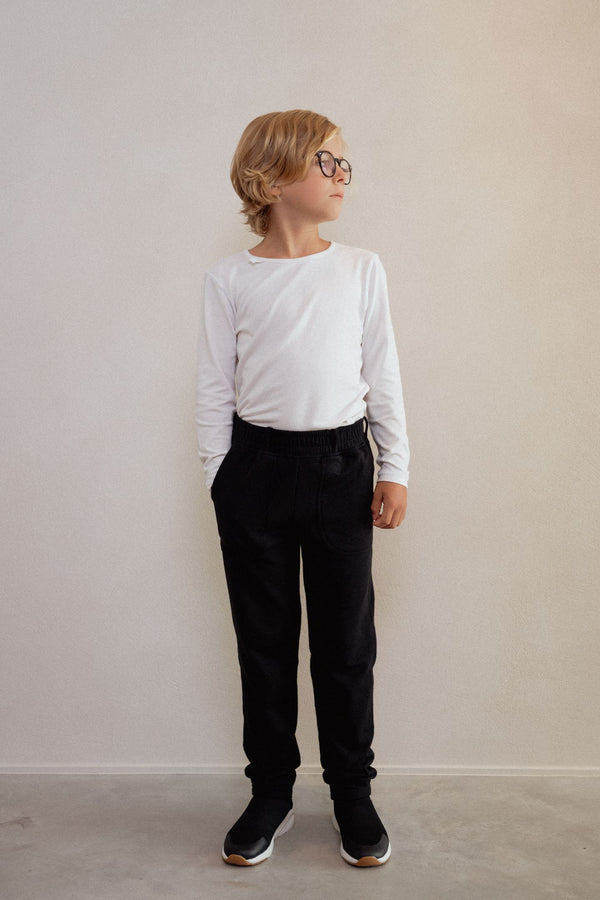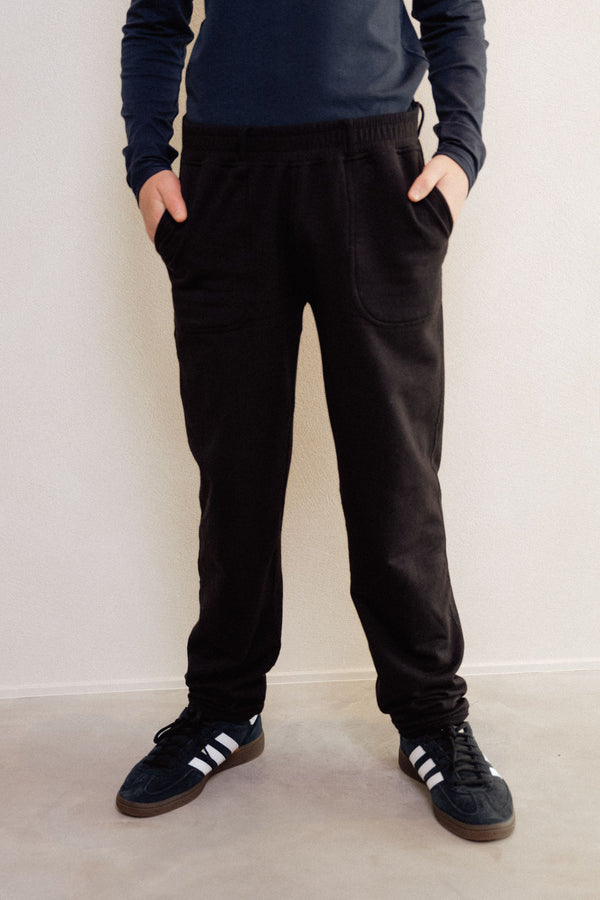
Which sensory friendly Blusss trousers are right for you or your child?

A pair of trousers may seem like a small detail. But when every seam is noticeable, it can feel overwhelming.
Choosing the right sensory friendly trousers can reduce daily discomfort and help you or your child feel more at ease.
Many children and adults with sensory sensitivities or autism look for calm in clothing. Softness. No distractions. No unnecessary pressure.
This guide helps you choose what truly feels right.
Why Sensory Friendly Trousers Make Such a Difference
When trousers rub, pull, or irritate, your body keeps noticing it constantly.
This can lead to:
- physical tension
- quicker sensory overload
- difficulty focusing
Sensory friendly trousers remove that background noise.
They allow the body to settle, creating more space for calm and attention.
How to Choose Sensory Friendly Blusss Trousers
Instead of complex fabric terms, it helps to think in three clear comfort levels for our different sensory friendly Blusss trousers:
- Softest Feel → maximum softness, minimal sensory input
- Soft Comfort → soft with small functional adjustments
- Easy Comfort → comfortable and soft with a lightly structured feel
This approach makes it easier to match the trousers to real sensitivity levels.
Softest Feel – for High Sensitivity
When sensory input quickly becomes overwhelming
This level focuses entirely on softness and minimal stimulation.
Typical features:
- brushed, ultra-soft fabric
- minimal or barely noticeable seams
- fully soft inner lining
- no internal labels
- pockets placed on the outside (not felt inside)
- elastic waistband with optional belt loops
This is often the best starting point if wearing trousers feels difficult. Explore the AIR trousers with softest feel.

Soft Comfort – Soft with Adjustable Fit
When you need softness and flexibility
This level builds on the same soft foundation, with small additions for adjustability.
Features:
- soft base fabric similar to Softest Feel
- adjustable drawstring waistband
- soft inner pockets with minimal sensation
This is a good choice if you want control over fit without compromising softness.
- Air Comfort & Air Comfort light (ideal for warmer days) for Kids
-
Air Comfort & Air Comfort light (ideal for warmer days) for Adults


Easy Comfort – Comfort with More Freedom
When tolerance for clothing is slightly higher
This level offers comfort while allowing more variation in fit and style.
Relaxed fit trousers
- Slightly wider shape
- soft textured fabrics (waffle or jeans)
- flat seams
- gentle finishing
More space means less pressure on the body.


Soft denim alternatives
- flexible, stretch denim
- flat seams
- softer inner construction
A practical option if you want the look of jeans without the typical stiffness and pressure at the waist.


How to Choose the Right Option
If you're unsure, use this simple guide:
- Very sensitive to clothing? → Softest Feel
- Need softness + adjustability? → Soft Comfort
- Prefer more room or style? → Easy Comfort
You don’t need to find the perfect option immediately. Start with what feels softest, and adjust from there.
Overview at a Glance
| Level | Type | Softness | Fit | Best for |
|---|---|---|---|---|
| Softest Feel | Air slim trousers | ⭐⭐⭐⭐⭐ | Straight | High sensitivity |
| Soft Comfort | Air Comfort | ⭐⭐⭐⭐⭐ | Straight | Adjustable waist |
| Soft Comfort (light) | Air Comfort light | ⭐⭐⭐⭐⭐ | Straight | Warm weather |
| Easy Comfort | Ease Baggy | ⭐⭐⭐⭐ | Loose | Freedom of movement |
| Easy Comfort | PureEase Jeans | ⭐⭐⭐⭐ | Straight | Denim Style + comfort |
In Short:
Sensory friendly trousers reduce irritation and help the body stay calm throughout the day.
The right choice depends on how sensitive the wearer is to seams, pressure, and fabric texture.
Starting with the softest option makes it easier to build comfort over time.
If you still doubt which trousers will be best for you or your child. Please take contact at hello@blusss.com. We are happy to help.
FAQ
Why are sensory friendly trousers better for sensitive children?
Sensory friendly trousers are designed to reduce common irritations like seams, labels, and rough fabrics. This helps children stay calmer and more focused during daily activities. Less discomfort often means fewer distractions throughout the day.
What if my child refuses to wear sensory friendly trousers?
Start with the softest possible option and introduce it gradually. Let your child explore the fabric and fit without pressure. Small steps can build trust and increase acceptance over time.
How can I choose sensory friendly trousers for warm weather?
Look for lightweight fabrics with the same soft construction and minimal seams. Breathable materials help prevent overheating while maintaining comfort. A lighter version of soft trousers is often ideal.
Does a sensory friendly trousers design help with autism-related sensitivity?
Yes, many designs specifically reduce sensory triggers like tight waistbands or internal stitching. This can support individuals with autism by lowering daily discomfort. However, preferences can still vary from person to person.
Gentle Next Step
If you're exploring options, you can start with the softest designs in the Blusss sensory friendly trousers collection.
They’re created to reduce daily friction and support a calmer routine.