Best Fidget Toys for ADHD & Autism

What Are The Best Fidget Toys for ADHD or Autism?
The best fidget toys for ADHD or autism are quiet, discreet, and designed for sensory regulation. Chewable fidgets, tactile toys, and wearable options help children calm down and focus — without distracting others, especially in school.
Many parents recognise this: a child who can’t sit still, chews on sleeves, or gets overwhelmed in busy environments.
Finding the right tools to help children with ADHD or autism focus, calm down, or express themselves can be life-changing. One of the simplest and most effective solutions is a fidget toy.
These small sensory tools help children release extra energy, regulate emotions, and improve concentration — at home, at school, and in social situations. Browse our fidget toys for kids to see the full range.
Why Fidget Toys Matter for Children with ADHD or Autism
Children with ADHD or autism often experience:
- Restlessness and a constant need to move
- Difficulty focusing in class or during homework
- Anxiety in noisy or unfamiliar environments
- Sensory overload from light, sound, or touch
Fidget toys provide a safe outlet for this energy.
Instead of tapping, chewing clothing, or becoming overwhelmed, children can self-regulate in a subtle way. This supports not only focus and learning, but also confidence and independence.
Key Features of the Best Fidget Toys
When choosing fidget toys, look for:
- Quiet use — essential for classroom environments
- Safe materials — BPA-free, chew-safe silicone or soft fabrics
- Discreet design — small and not visually distracting
- Different textures — to match sensory preferences
- Portability — easy to carry anywhere, or wearable so it can’t be lost

Best Quiet Fidget Toys for School
Many parents specifically search for quiet fidget toys for school — and for good reason. Not every fidget is classroom-friendly.
The best non-distracting fidgets are:
- completely silent
- small and subtle
- usable without looking
- accepted by teachers
When chosen correctly, fidgets support focus instead of causing distraction.
Best Fidget Toys for ADHD and Autism
1. Chewable Fidgets
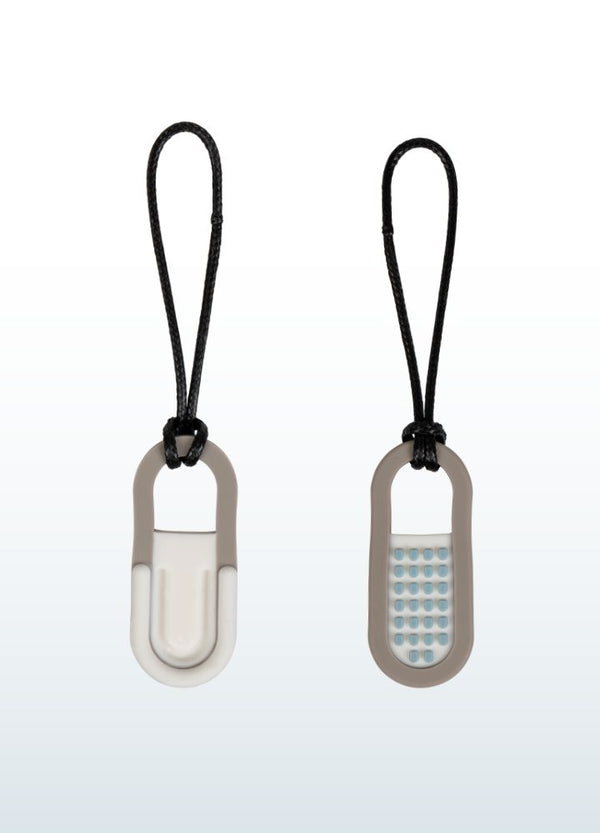
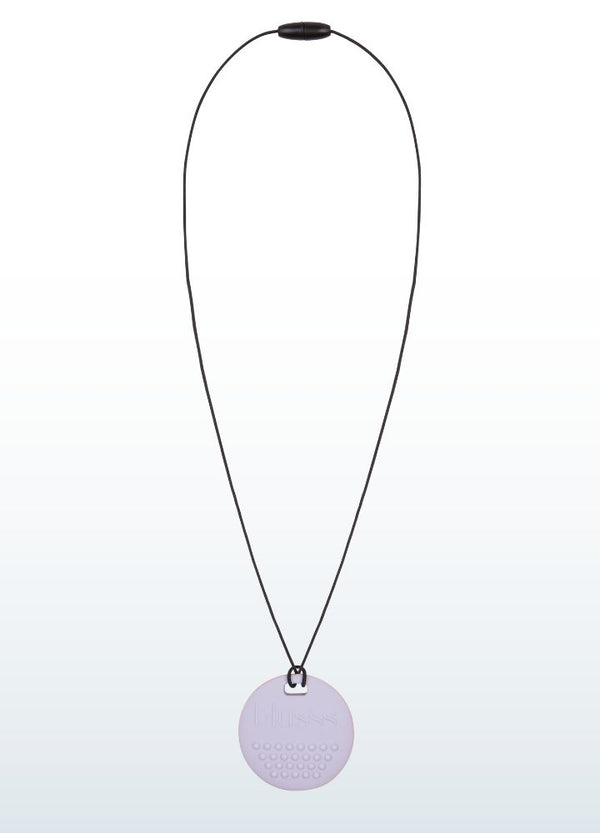
Many children chew on pencils or clothing to release tension. A chewy fidget gives them a safe, hygienic alternative that protects clothes and teeth.
- Examples: chew necklaces, chewy bracelets
- Benefit: reduces stress and protects clothes and teeth
- Check for: BPA-free, food-grade silicone
2. Tactile Fidgets
Provide calming sensory input through touch.
- Examples: fidget cubes, textured stress balls
- Benefit: keeps hands busy without distraction

3. Stretchy or Pull Toys
Help release built-up energy.
- Examples: resistance bands, sensory putty
- Benefit: improves emotional regulation
4. Quiet Click or Twist Fidgets
For children who like repetitive movement.
- Examples: silent spinners, twist rings
- Benefit: ideal for classroom use

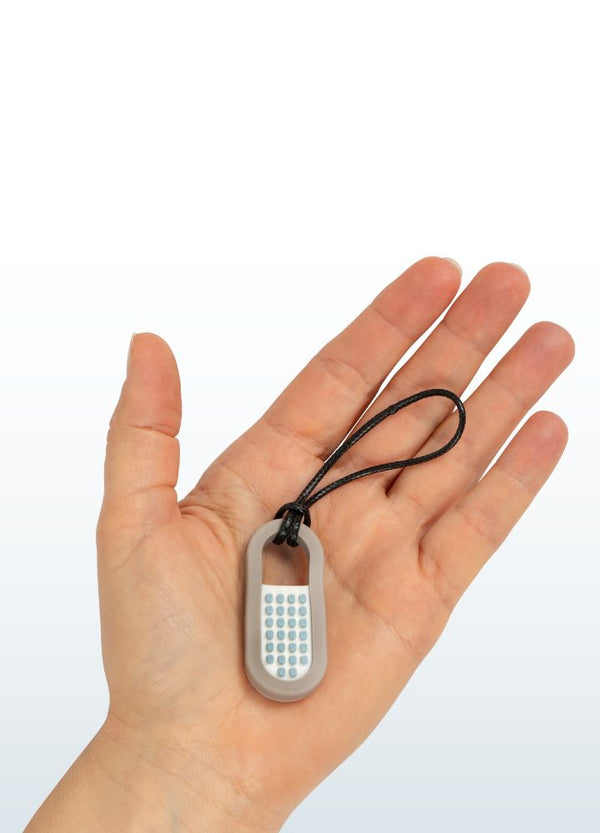
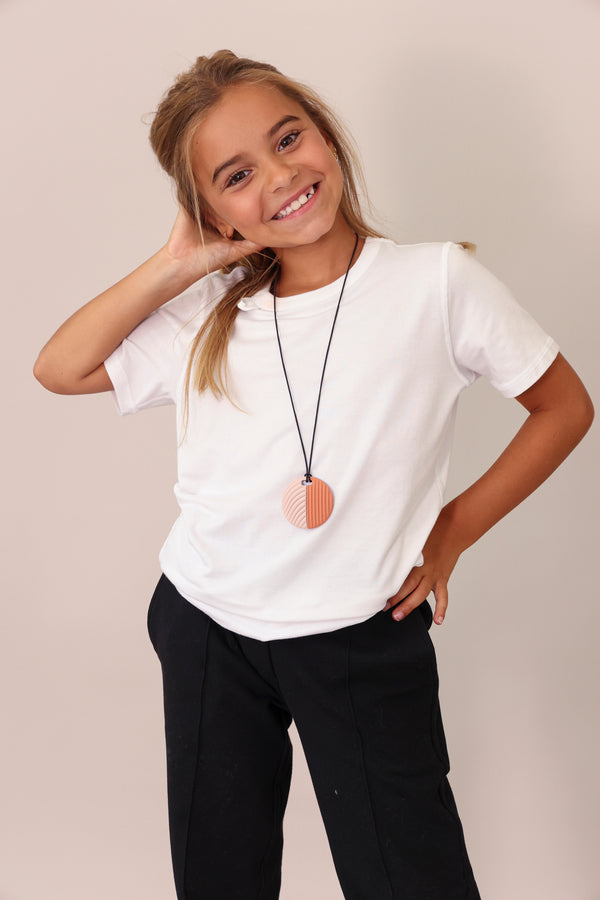
5. Wearable Fidgets
Perfect for children who lose or forget toys. A wearable fidget stays on the body, so it can’t roll away or be left behind.
- Examples: fidget hoodies, bracelets, necklaces
- Benefit: always available, discreet, and practical
Everyday Benefits of Fidget Toys
- Improves focus and attention
- Provides a safe outlet for stress and anxiety
- Reduces sensory overload
- Builds self-regulation skills
- Increases confidence in social settings
How to Choose the Right Fidget Toy
- Observe behaviour — chewing, tapping, constant movement
- Test textures — every child is different
- Prioritise quietness — especially for school
- Involve your child — this increases acceptance
Fidget Toys vs. Distracting Toys
Not every toy helps. The wrong fidget can actually increase distraction.
| Feature | Distracting Toy | Fidget Toy |
|---|---|---|
| Noise | Loud | Silent |
| Size | Bulky | Small |
| Purpose | Play | Regulation |
| Effect | Distracts | Supports focus |
A Personal Note
As a parent, I’ve seen firsthand how powerful the right tool can be.
My son used to struggle in busy classrooms and often chewed on his sleeves. A simple, quiet fidget helped him stay calm and focused.
That experience is what led me to create tools designed to be subtle, safe, and truly helpful in everyday life. Because sometimes, the smallest solution makes the biggest difference.
Support, not treatment
A fidget lowers the daily sensory load, but it doesn’t treat ADHD, autism or sensory sensitivity, and it isn’t a medical device. If your child’s difficulties affect their sleep, their schooling or their daily life, talk to your GP, a paediatrician or an occupational therapist.
FAQ: Best Fidget Toys for ADHD and Autism
Are fidget toys allowed in classrooms?
In most schools, yes, as long as they are quiet and non-distracting. Wearable fidgets like bracelets and necklaces are the most widely accepted.
Are chewable fidgets safe?
Yes, if made from BPA-free, food-grade silicone. Check the edges for wear from time to time and replace a chewy once it starts to tear.
Do adults use fidget toys?
Absolutely — many adults use them for focus and stress relief. See our fidgets and chewies for adults.
Which fidget toy works best for ADHD?
Chewable, silent, and wearable fidgets are among the most effective, because they provide continuous input without requiring active attention.
Can fidget toys reduce anxiety?
They can help calm the nervous system through physical regulation, which many children and parents find useful in overwhelming environments.
Finding the right fidget for your child
Whether your child needs something to chew, squeeze, twist or wear, there’s a fidget that fits. Browse our fidget toys for kids — quiet enough for school, safe for daily use, and designed to be worn rather than lost.