Sensory-Friendly Clothing for Autistic Adults: A Complete Comfort Guide

Sensory-Friendly Clothing for Autistic Adults: A Complete Comfort Guide
Finding clothing that feels comfortable can be a daily challenge for autistic adults. Fabrics, seams, tags, and fits that most people barely notice can create discomfort, distraction, or even pain. For many, getting dressed is not just about style — it's about being able to move through the day without sensory overload.
Sensory-friendly clothing, also called autism-friendly clothing for adults or adaptive fashion, offers a solution by reducing irritation and supporting confidence in everyday life. It is more than just comfort: it can transform how someone feels at work, in social settings, or while relaxing at home.
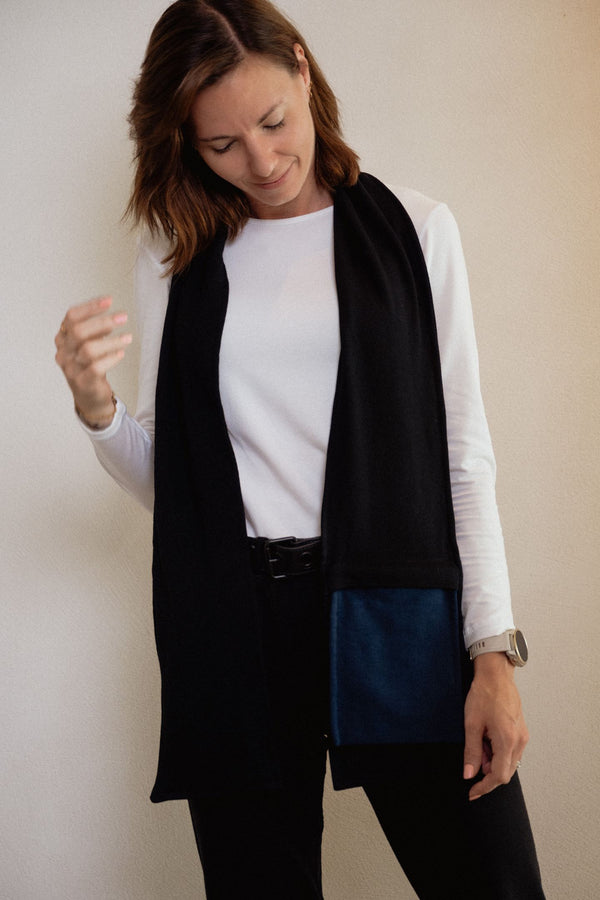
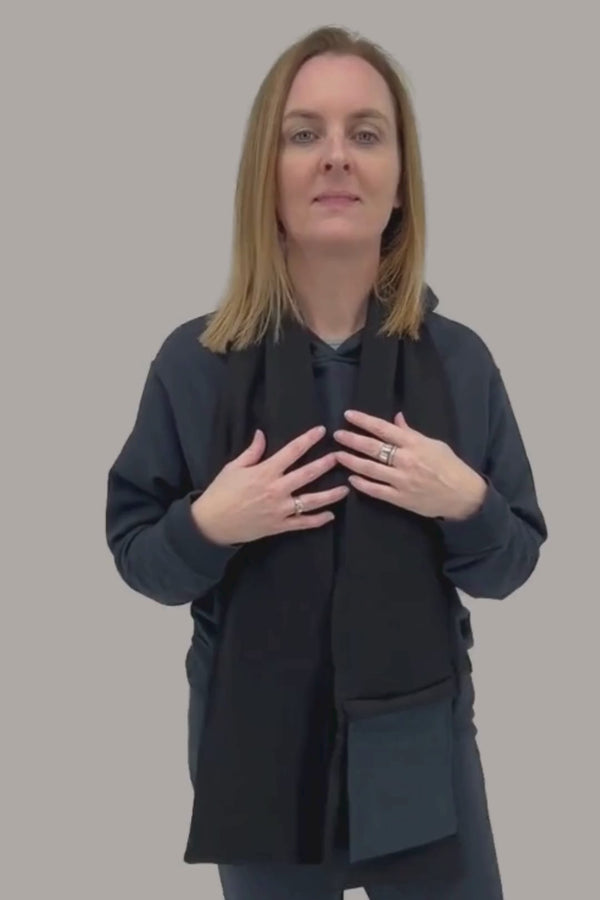
Discover sensory-friendly clothing for autistic adults by Blusss – designed for calm, comfort, and confidence.
Why Comfort Matters in Autism Clothing
Many autistic adults experience sensory sensitivities, often described as being "overwhelmed" by clothing that doesn't feel right. Scratchy fabrics, tight waistbands, or small details like labels can trigger discomfort that builds into stress. This can:
- Make it harder to focus at work or in class
- Increase anxiety in social settings
- Disrupt daily routines like commuting, exercising, or sleeping
- Lead to avoidance of certain outfits or even entire situations
Adults with autism often experience everyday sensations more intensely than others. Sounds, light, and touch can feel amplified, and the same applies to clothing: a shirt with a scratchy label or a rough seam can feel overwhelming rather than simply uncomfortable. Some adults experience overstimulation, where sensations feel too intense, while others experience under-stimulation and seek extra sensory input. Research suggests that the majority of autistic adults encounter some form of sensory challenge with clothing, which is why thoughtful design matters so much. A 2021 study published in the Journal of Autism and Developmental Disorders explored how autistic adults experience different fabrics and tactile sensitivities in everyday clothing.
Comfortable, autism-friendly clothing for adults helps create calm, lowers stress, and supports self-expression without distraction. It allows the wearer to focus on living, not constantly adjusting or worrying about their outfit.
Key Features of Comfortable Autism-Friendly Clothing
1. Tag-Free Designs
Itchy labels are one of the most common triggers. Many autistic adults actively avoid clothing with sewn-in labels altogether. Tag-free designs or printed labels prevent constant irritation and scratching at the neckline or waistband.
2. Seamless or Flat Seams
Standard seams can rub and create friction, especially on sensitive skin. Flat seams, flatlock stitching, or fully seamless construction reduce the risk of chafing and allow clothes to feel "barely there."
3. Soft, Breathable Fabrics
Natural fibers such as bamboo, cotton, and modal are gentle on the skin and regulate temperature. Bamboo is especially popular for its silky feel, moisture-wicking properties, and hypoallergenic nature. Look for garments without harsh seams or labels, made from stretchable fabrics that allow gentle movement.
4. Adaptive Fits
Restrictive clothing can heighten stress. Adaptive clothing uses hidden stretch, elastic waistbands, or adjustable closures that move with the body, offering comfort without looking different. Loose-fitting shapes allow freedom of movement, while still feeling intentional rather than oversized.
5. Neutral, Soothing Colors
Color can also be a sensory factor. Neutral, calming shades like soft grey, muted blue, beige, and earth tones create a low-stimulation look and feel — ideal for focus and relaxation, and for preventing visual overstimulation.
👉 Explore Blusss sensory-friendly clothing for adults – designed with these exact features to support calm and comfort every day.
A Practical Guide: Finding What Works for You
Finding the right clothing involves understanding your own body and preferences. These four steps can help you shop more intentionally and avoid unnecessary discomfort.
Step 1: Know Your Sensitivities
Identify your triggers by noting:
- Fabrics that feel comfortable or irritating
- Areas prone to friction, such as the neck, waist, or underarms
- Whether labels or tight fits cause distress
- A preference for loose or fitted clothing
Step 2: Test and Evaluate Clothing
Try on new clothing in a calm environment, away from rush or noise. Pay attention to:
- The initial feel against the skin
- Any itching or rubbing as you move
- How it compares with your favorite soft garments
This helps you build a reliable sense of what actually works for you, rather than guessing each time.
Step 3: Compare Brands and Stores
Not all brands design with sensory needs in mind. Look for options offering seamless or flatlock designs, label-free garments, and skin-friendly materials. Blusss specializes in clothing designed for minimal sensory stress, combining comfort and modern style.
Step 4: Care for Longevity
Maintain softness over time by washing new clothing before wearing it with a mild detergent, following care instructions, and air-drying when possible. Regular care helps clothing stay soft and comfortable for longer.
Everyday Clothing Options for Adults
If you're new to sensory-friendly fashion, these pieces tend to make the biggest difference first:
- Soft, tag-free T-shirts for daily comfort
- Seamless underwear to reduce constant irritation
- Adaptive trousers with flexible waistbands
- Calming hoodies for overstimulating days
Workwear: Tag-free shirts, soft trousers, and adaptive blazers with hidden stretch allow autistic adults to look professional without sensory discomfort.
Casual wear: Seamless T-shirts, bamboo hoodies with discreet fidgets, and sensory joggers make everyday dressing easier and calmer.
Loungewear: Ultra-soft pajamas, seamless underwear, and breathable sleepwear support restful evenings and quality sleep.
Exercise wear: Lightweight compression tops or stretchable shorts provide comfort and calm during movement, without restrictive seams.
With brands like Blusss, it's possible to dress for comfort, focus, and style at the same time — whether you're at work, at home, or on the go.
Real Experiences: The Difference Comfortable Clothing Makes
Adults with autism often describe a sense of relief when switching to soft, sensory-friendly clothing. One reader shared: "Since I switched to sensory-friendly clothing, I feel more like myself."
Parents and partners notice changes too — seeing their loved ones more relaxed and confident. The impact isn't just physical comfort; it's a feeling of autonomy and well-being that carries through the whole day.
Benefits Beyond Comfort
- Reduces sensory overload in busy or noisy environments
- Supports focus at work, in class, or during conversations
- Encourages confidence by blending comfort with style
- Simplifies daily routines by making dressing less stressful
- Promotes independence for adults who struggle with clothing choices
Comfortable Clothing vs. Regular Fashion
| Feature | Regular Clothing | Sensory-Friendly Clothing |
|---|---|---|
| Tags | Sewn-in labels | Tag-free or printed |
| Seams | Standard seams | Flat or seamless |
| Fabrics | Synthetic blends | Soft natural fabrics |
| Fit | Trend-focused | Comfort-first adaptive fit |
Who Benefits Most?
- Adults on the autism spectrum
- Highly sensitive people (HSP)
- Those with eczema or skin conditions
- Anyone who values irritation-free, calming fashion
If clothing often feels "too much," distracting, or exhausting — you're not alone. Many autistic adults tell us that finding the right clothing changed how they experience their day. Explore calm, sensory-friendly clothing designed with real autistic experiences in mind.
FAQ
Is autism-friendly clothing stylish?
Yes. Brands like Blusss combine sensory comfort with modern, minimal designs.
Can I wear sensory-friendly clothing to work?
Absolutely. Adaptive clothing includes professional, casual, and leisurewear.
Does sensory clothing help reduce anxiety?
Yes. By reducing physical discomfort, it helps lower overall stress and supports calm focus.
Is this only for autistic people?
No. Anyone who values comfort, soft fabrics, and irritation-free fashion can benefit — including highly sensitive people and those with sensitive skin.
How do I choose the right size?
Look for flexible, stretchable designs. Many sensory-friendly brands like Blusss use adaptive sizing to ensure a comfortable fit.
How should I care for sensory-friendly clothing to maintain comfort?
Wash in low temperatures with a mild detergent and avoid tumble drying. Air-drying preserves softness and helps the garment last longer.
Conclusion
Comfortable autism-friendly clothing for adults is more than a wardrobe choice — it's a way to reduce stress, prevent sensory overload, and build confidence in everyday life. With thoughtful designs, soft fabrics, and adaptive fits, sensory-friendly fashion makes calm possible in every moment.
Explore the Blusss sensory-friendly collection for autistic adults and experience clothing that feels as good as it looks.