Sensory Sensitivity After Brain Injury – BLUSSS Calms Your Nervous System

When ordinary things suddenly feel too much
The radio in the kitchen sounds a bit louder than usual.
The light from your phone feels harsh.
Even the pressure of your sweater on your shoulders feels like someone is pressing a finger there and won’t let go.
You know it’s “just a sweater,” but your body experiences it differently.
Since your brain injury, everything seems to come in unfiltered — sounds, light, textures.
The world feels sharper, noisier, and even your own skin can feel too present.
That’s the invisible struggle of sensory sensitivity after brain injury.
To others, you may look “recovered,” but inside, your nervous system is working in overdrive.

What Happens in the Brain During Sensory Overload?
After a brain injury, the brain’s natural filter system can get disrupted.
Normally, your brain sorts through sensory input — sounds, touch, light — and filters out what isn’t important.
When that filter slows down or malfunctions:
-
The thalamus (the brain’s gatekeeper) struggles to filter signals properly.
-
The autonomic nervous system stays on high alert.
-
Even gentle touch can feel threatening or painful.
The result: ordinary sensations — a clothing tag, a seam, a smell — can trigger stress signals.
Your body reacts as if something’s wrong, and your energy drains fast.
Why Clothing Makes Such a Big Difference
Clothing may seem like a small thing, but for a sensitive nervous system, it can make or break your comfort.
The way fabric touches your skin tells your brain whether you feel safe — or under threat.
People with brain injury often describe it like this:
“A label feels like sandpaper.”
“Tight fabrics make me panic.”
“It feels like my skin is switched on.”
That’s why soft, seamless, and sensory-friendly clothing isn’t about luxury — it’s about survival.
It helps your body relax, so you can focus on living, not coping.

The BLUSSS Approach: Clothing That Calms Your Nervous System
At BLUSSS, we design with one goal — to bring peace to sensitive bodies.
Our clothes are created with and for people who experience sensory overload from brain injury, autism, high sensitivity, or burnout.
-
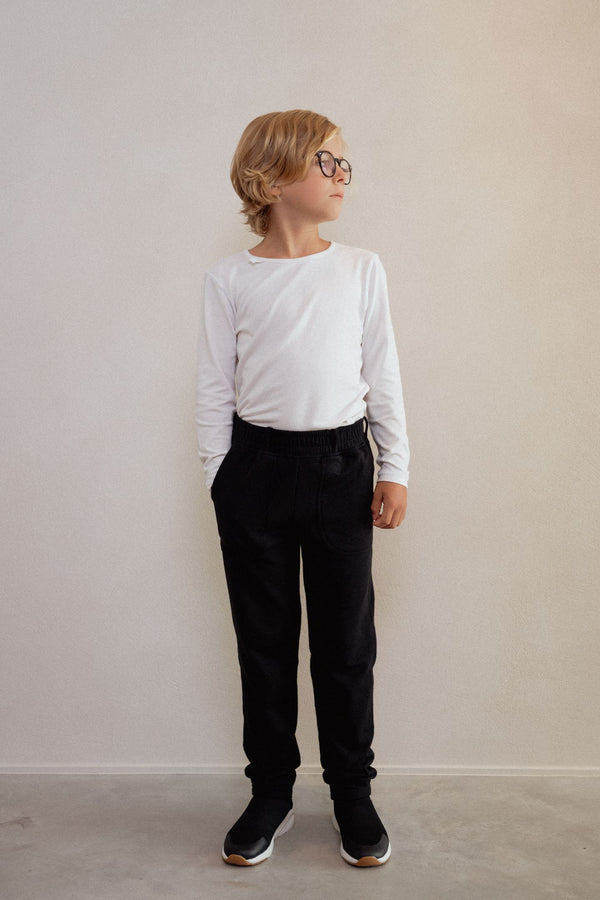
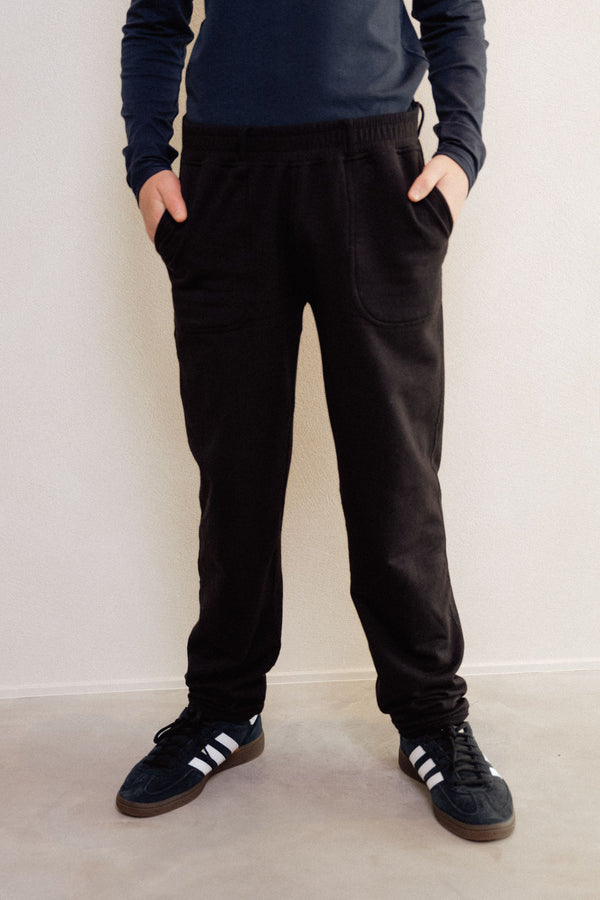
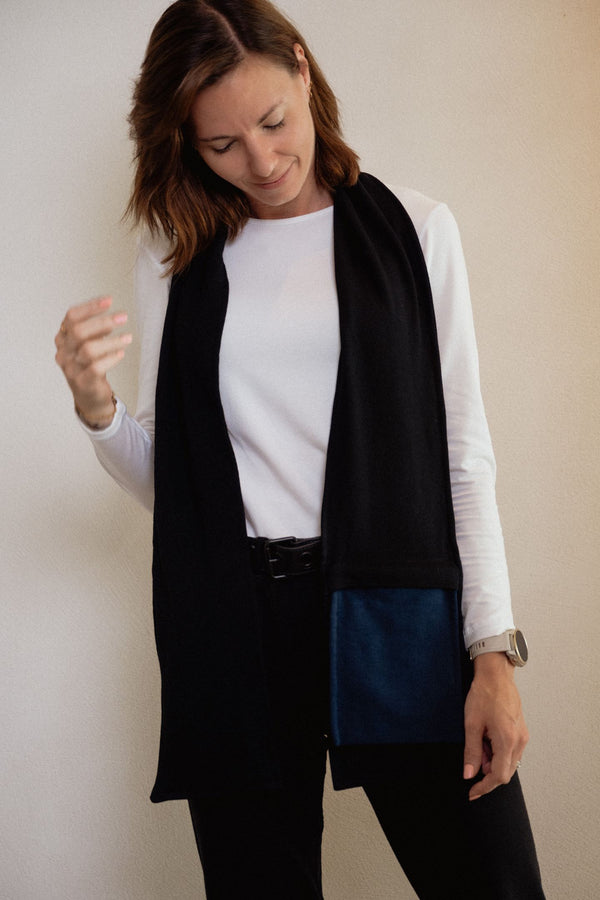
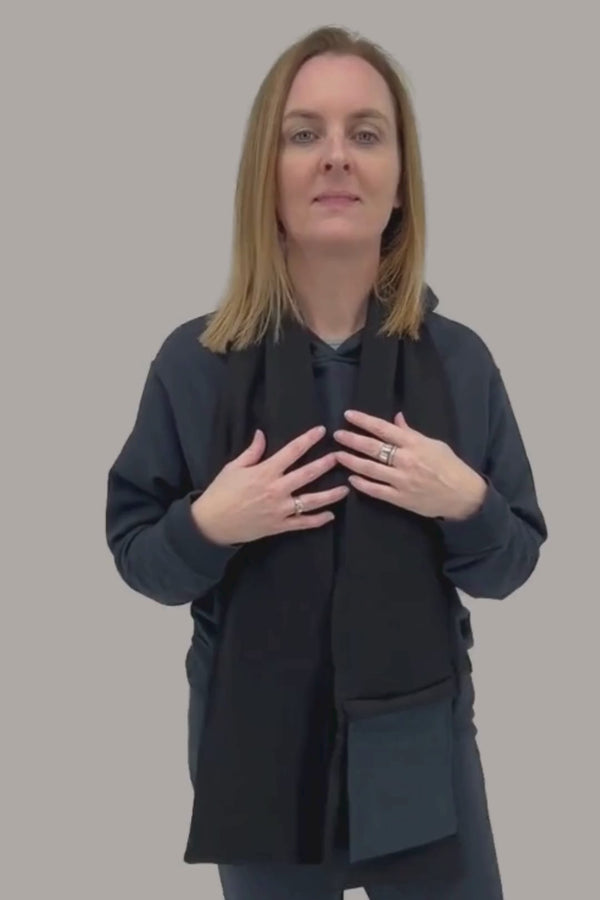
Seamless & tag-free design – No harsh edges or irritating labels. Just pure comfort.
-
Ultra-soft natural fabrics – Organic cotton, modal, and bamboo that breathe with your body.
-
Soothing neutral colors – Visual calm that supports your inner balance.
-
Co-created with sensitive individuals – Every stitch tested for real sensory comfort.
-
More than clothing – it’s self-care – When your clothes don’t stress you, your energy returns.

The Science of Gentle Touch
Soft, slow touch activates special CT nerve fibers in your skin that send messages of safety to your brain.
This triggers the parasympathetic nervous system, which controls rest and recovery.
Research shows that soft fabrics and gentle touch can:
-
Lower heart rate
-
Deepen breathing
-
Reduce the body’s stress response
👉 In short: soft clothing doesn’t just feel good — it supports your nervous system.
Conclusion: Calm Starts With What You Wear
Healing after brain injury requires softness — in your environment, in your pace, and in what touches your skin.
BLUSSS helps you reduce sensory noise and restore balance — clothing that doesn’t irritate, but soothes.
So your body can finally relax, and you can use your energy to live again.
Frequently Asked Questions About Brain Injury & Sensory Sensitivity
1. Why am I suddenly more sensitive after my brain injury?
After a brain injury, your brain’s filter for sensory input can slow down or stop working properly.
Sounds, light, and touch come through more directly — without the usual buffer.
This can make everyday sensations feel overwhelming or even painful.
2. What causes sensory overload after brain injury?
The thalamus and autonomic nervous system play key roles.
When they become overactive or misfire after injury, your body stays in “alert mode.”
This leads to faster stress reactions to normal stimuli like noise, textures, or touch.
3. Can soft or seamless clothing really help with sensory overload?
Yes. Sensory-friendly clothing minimizes irritating input to the skin — like seams, tight fabrics, and labels.
Soft, breathable materials can reduce sensory stress and help your nervous system calm down.
4. Is sensory-friendly clothing only for people with brain injuries?
Not at all. People with autism, high sensitivity (HSP), ADHD, or burnout also benefit from sensory-friendly designs.
BLUSSS clothing supports anyone whose nervous system reacts strongly to touch or texture.
5. What makes BLUSSS different from other clothing brands?
BLUSSS was developed with and for sensory-sensitive people.
Every fiber, seam, and fit has been tested to ensure maximum comfort — both physically and emotionally.
It’s more than clothing; it’s a way to regulate your nervous system through softness.
6. Where can I find BLUSSS sensory-friendly clothing?
You can explore the full collection of calming, seamless clothing and accessories at www.blusss.com.
Each piece is designed to help your body feel safe, comfortable, and at ease.
Soft Comfort for a Sensitive Nervous System
Living with sensory sensitivity after brain injury can make even small things feel intense.
BLUSSS creates sensory-friendly clothing that soothes your skin and supports your nervous system regulation — helping you find calm, one soft layer at a time.