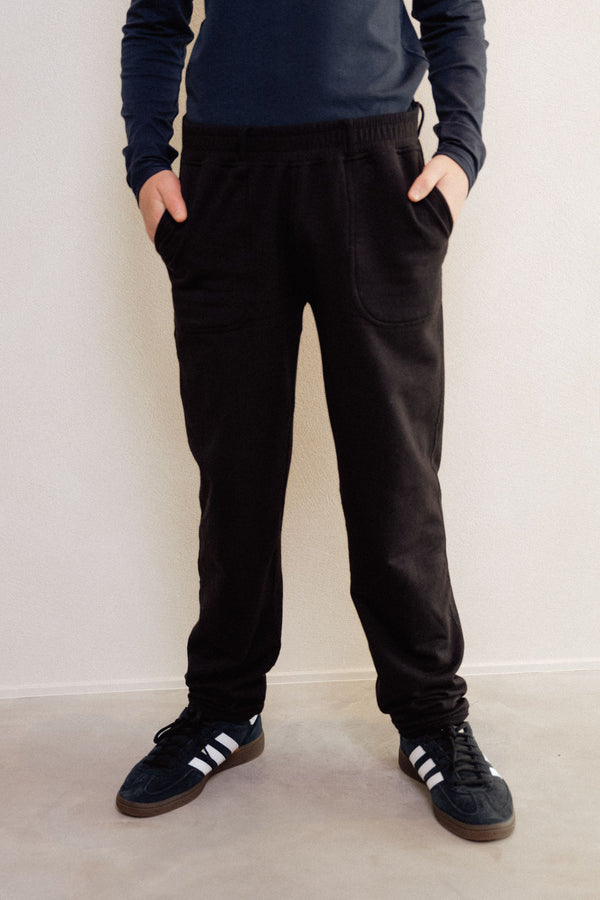
What is sensory clothing and why do some people need it for comfort and focus?

What Is Sensory Clothing?
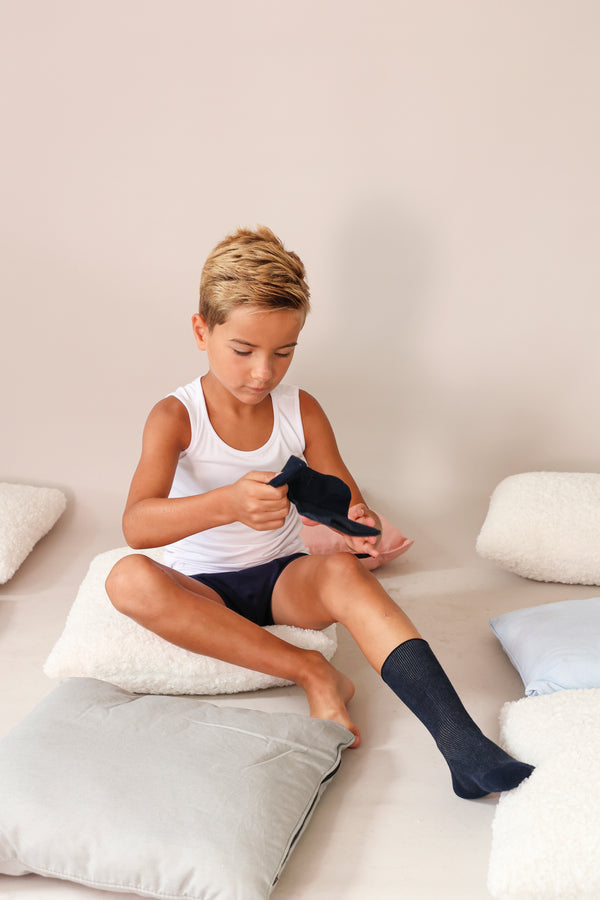
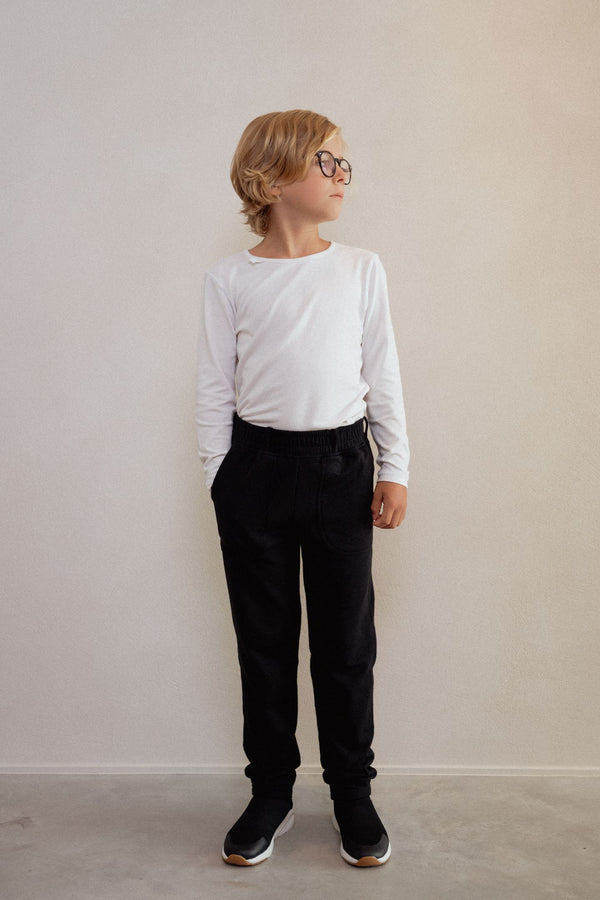
Sensory clothing is specially designed clothing that reduces discomfort caused by fabrics, seams, labels, and pressure on the skin. It is created to feel soft, predictable, and non-irritating, especially for people who are sensitive to touch.
For some children and adults, everyday clothing can feel distracting or overwhelming. Sensory clothing helps minimise these triggers so the body feels calmer and more at ease throughout the day.
Who Benefits From Sensory Clothing?
Sensory clothing is often used by people with:
- Autism spectrum conditions
- ADHD
- Sensory processing differences
- Anxiety or high sensitivity
For these individuals, touch sensations can feel stronger and more intense than average. This means small clothing details—like a seam or tag—can become very distracting.
What Happens When Someone Is Sensitive to Clothing?
When a person has heightened sensory sensitivity, the brain processes touch in a more intense way. This can make everyday clothing uncomfortable or even distressing.
Common clothing-related triggers include:
- Scratchy or rough fabrics
- Tight waistbands or cuffs
- Internal labels or tags
- Thick or uneven seams
- Stiff or heavy materials
These sensations can lead to:
- Irritability or stress while dressing
- Difficulty concentrating at school or work
- Avoidance of certain outfits
- Emotional overload during daily routines
Why Is Regular Clothing Often A Problem?
Most standard clothing is designed for style, durability, and cost efficiency—not sensory comfort. As a result, many garments include features that can feel uncomfortable for sensitive individuals.
Examples include:
- Raised seams for construction strength
- Labels sewn into the neck or waistband
- Synthetic fabrics chosen for durability
- Tight or structured fits for appearance
For someone with sensory sensitivity, these small details can build up into constant discomfort throughout the day.
How Does Sensory Clothing Help?
Sensory-friendly clothing is designed to reduce or remove common irritants so the body can feel more relaxed and focused.
Key features often include:
- Tagless or label-free designs
- Ultra-soft, breathable fabrics
- Flat seams or seamless construction
- Flexible, non-restrictive fit
- Gentle stretch that moves with the body
By removing small sensory triggers, clothing becomes less noticeable—helping the wearer focus on school, work, or daily activities.
Sensory Clothing For Children And Adults
For children, sensory clothing can make mornings easier and reduce stress during school routines. For adults, it can improve comfort during work, social situations, and travel.
In both cases, the goal is the same:
reduce distraction so the person can feel more calm, confident, and in control.
FAQ
What is sensory friendly clothing?
Sensory friendly clothing is clothing designed to reduce discomfort caused by seams, fabrics, and labels. It uses soft materials, flat seams, and simple construction to make clothing feel more comfortable for sensitive individuals.
Why do people search for autism clothing or ADHD clothing?
People search for autism clothing or ADHD clothing because sensory sensitivity is common in these conditions. Clothing designed for sensory needs can help reduce irritation and improve daily comfort.
Can seamless clothing help with sensory issues?
Yes. Seamless or flat-seam clothing can reduce rubbing and pressure points on the skin. While it is not a medical treatment, it can significantly improve comfort and reduce daily stress for many people.
What if my child refuses to wear certain clothes?
This is often linked to sensory discomfort rather than behaviour. Switching gradually to softer, tagless, or more flexible clothing can help rebuild comfort and trust over time.
In Short
Sensory clothing is designed to:
- Reduce discomfort from fabrics, seams, and labels
- Support people with sensory sensitivity, autism, ADHD, or anxiety
- Improve focus, calmness, and daily comfort
- Make dressing and wearing clothes easier and less stressful
Gentle Next Step
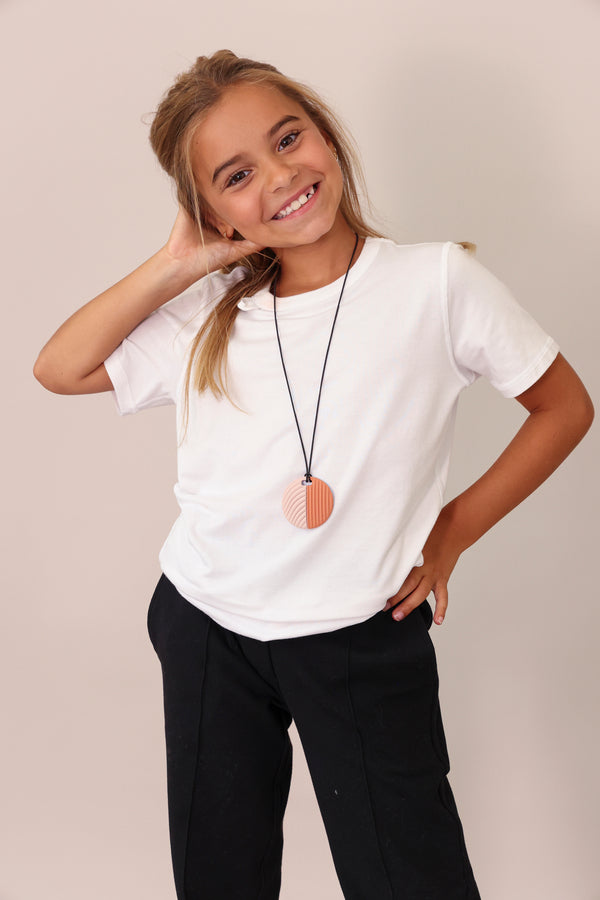
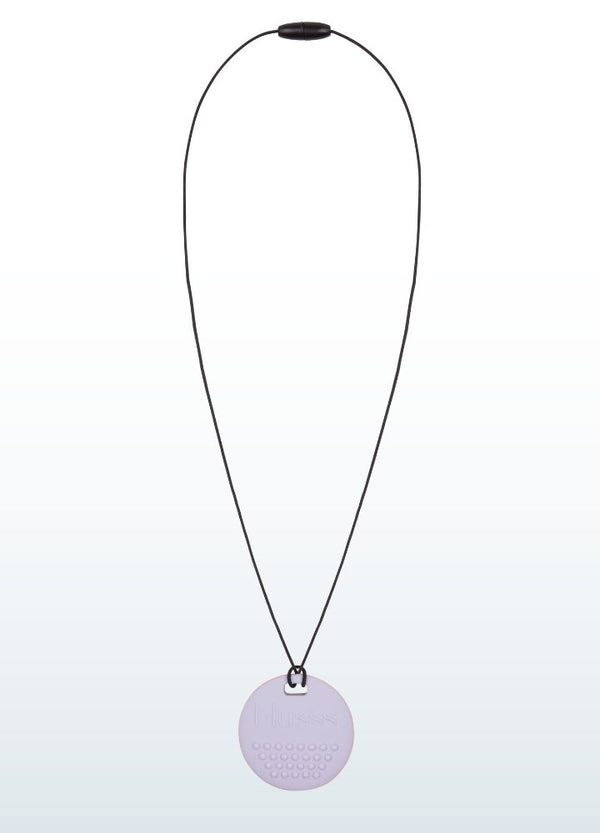
If clothing feels overwhelming, exploring sensory-friendly options such as soft, seamless garments and discreet fidget-friendly designs can help create more comfort and calm in everyday routines.