Why Chewing or Nail-Biting in Kids Isn’t Always a Problem

A Habit That Looks Worrying
Many parents ask us: “Why does my child keep chewing on their sleeves or biting their nails all the time?” At first, it seems like a bad habit that should be stopped. But for many children, chewing isn’t misbehavior — it’s their way of coping with emotions or sensory overload.
What’s Really Going On
Chewing is a form of self-regulation. When children chew on clothing, pencils, or nails, they’re giving their nervous system the oral input it craves. Just as some kids need to move or fidget with their hands, others chew to calm down or focus. The main reasons are:
- It reduces stress and anxiety by soothing the nervous system
- It provides oral sensory input that helps the brain feel balanced
- It creates grounding and makes overwhelming moments more manageable
Instead of seeing it as a bad habit, it helps to recognize chewing as a signal: your child is telling you they need support.
The Impact on Family Life
From the outside, nail-biting or chewing on clothes may seem minor. But families often feel stressed and frustrated. Children may chew through sleeves, fray pencils, or bite nails until their fingers are sore. Parents feel stuck between wanting to stop the behavior and realizing it helps their child cope.
Safe Alternatives That Work
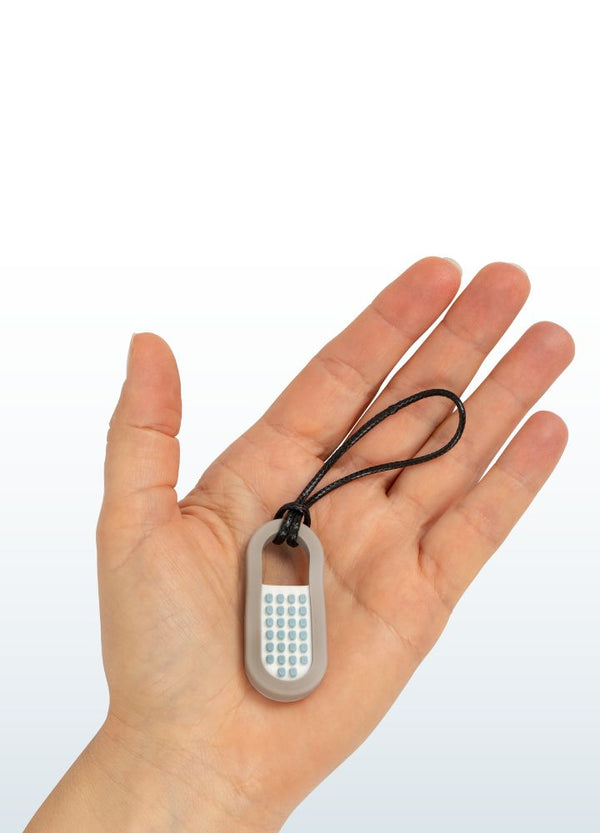
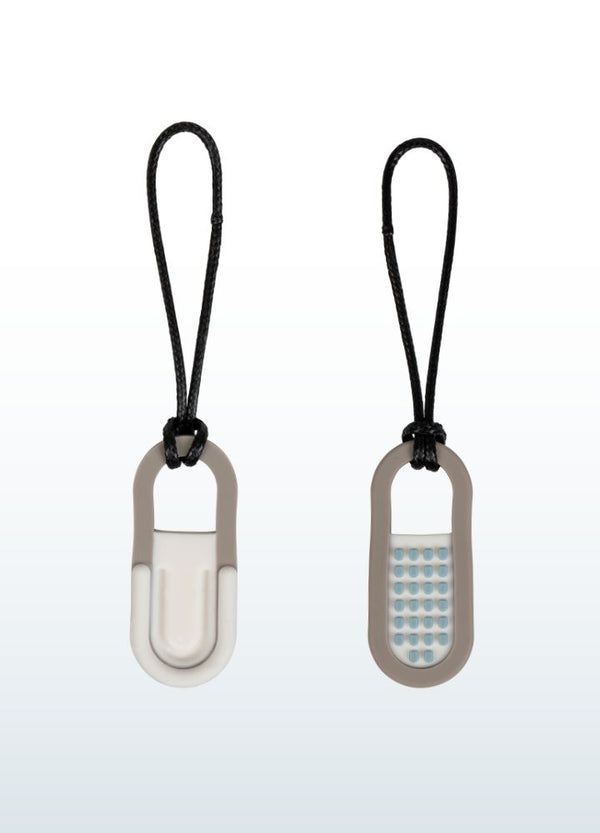
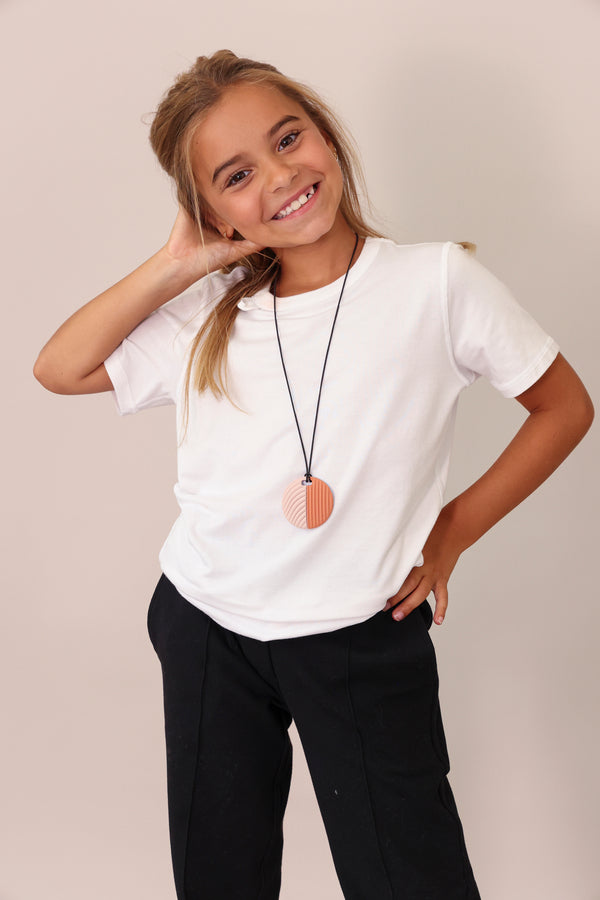
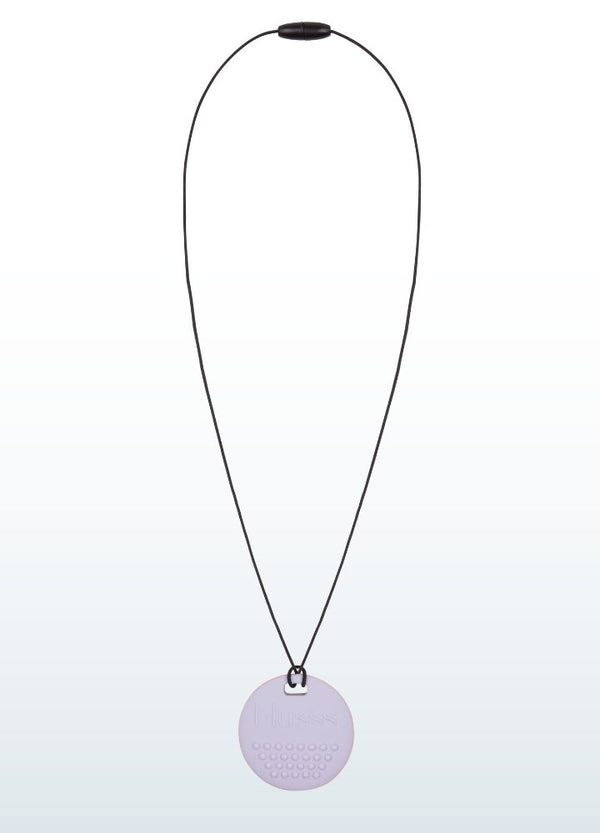
The good news is there are safer ways for kids to get the input they need. Chewable fidgets designed like accessories let children regulate without feeling embarrassed. Tactile tools give restless hands something to do, and subtle, stylish designs make it easy for kids to use them at school or in public. By swapping clothing or nails for safe chew tools, children keep the regulation they need — without the damage or frustration.
Practical Support for Parents
Helping a child who chews isn’t about stopping the behavior overnight but guiding it in a safe direction. Parents can observe when chewing happens — during stress, boredom, or transitions — and gradually introduce alternatives like chew tools or fidgets. Staying positive instead of scolding reduces anxiety, and involving teachers ensures support at school. Celebrating small wins, such as switching from sleeves to a chew necklace, helps children feel proud and understood.
The Emotional Side
Parents sometimes feel embarrassed when their child chews in public, worried about being judged. But chewing is simply another form of self-regulation, much like tapping a foot or fiddling with a pen. Reframing it as a need rather than a problem takes away pressure for both parent and child, shifting the focus to finding tools that truly help.
FAQ: Chewing, Nail-Biting and Kids
Is chewing always a bad habit?
No, it’s often a way of self-regulating during stress or overload.
What’s the best way to help?
Offer safe chew tools and fidgets instead of punishment.
Do all children with sensory needs chew?
Not all, but it’s common with high sensitivity, ADHD, or autism.
Can chew tools really make a difference?
Yes. Parents often report calmer children, less damaged clothing, and smoother routines.
A Personal Note
We’ve spoken to many families who struggled with chewing. One mom shared how her son destroyed three sweaters in a month by chewing on the sleeves, but after introducing a Blusss chewy fidget, he still felt calm without ruining clothes. Another parent said: “At first I was embarrassed by my daughter’s nail-biting. But when I stopped scolding and gave her a fidget instead, she finally had a safe outlet — and our relationship improved.”
That’s why we believe chewing doesn’t have to be a problem. With the right tools, it can become a healthy way for children to manage stress and stay regulated.
👉 Browse our chewable sensory tools and give your child a safe way to cope.