Anxiety and Overstimulation: Practical Ways to Find More Calm

Feeling overwhelmed by anxiety in a busy world can make everyday life exhausting. This article explains how anxiety and overstimulation are connected, and how small sensory-friendly changes can help create more calm and balance.
What Is Anxiety?
Most people experience anxiety at some point. It might feel like a racing heart before an important conversation, restless thoughts at night, or tension that builds throughout the day.
Anxiety is a natural response that helps your body stay alert. However, when anxiety becomes constant or overwhelming, it can start affecting daily life, relationships, sleep, and concentration.
Common signs of anxiety include:
-
Constant worrying
-
Feeling tense or restless
-
Avoiding certain situations
-
Trouble sleeping
-
Feeling overstimulated by noise or crowds
-
Physical symptoms such as sweating or heart palpitations
Research shows that anxiety disorders are common and affect millions of adults worldwide. External stress, sensory overload, lifestyle habits, and emotional sensitivity can all play a role.
For many people, overstimulation makes anxiety feel even stronger.
According to the American Psychological Association (APA), anxiety disorders are among the most common mental health conditions and can strongly affect daily functioning.
Why Anxiety and Overstimulation Often Go Together
Modern life constantly demands attention. Notifications, background noise, crowded spaces, bright lighting, and social pressure can overload the nervous system.
When the brain receives too many sensory inputs at once, the body may stay in a heightened state of alertness. This is called sensory overstimulation.
People with autism, ADHD, high sensitivity, burnout, or chronic stress often notice this more intensely. Even small triggers can become exhausting after a full day of sensory input.
Common overstimulation triggers include:
-
Loud environments
-
Bright or flickering lights
-
Busy schedules
-
Uncomfortable clothing
-
Constant digital stimulation
-
Lack of rest or recovery time
The STAR Institute for Sensory Processing explains that sensory overload can increase stress responses and emotional dysregulation.
Practical Ways to Find More Calm During Anxiety
Small daily adjustments can help reduce nervous system overload and support emotional balance.
Recognise Your Personal Triggers
The first step is understanding what increases your stress levels.
Try noticing:
-
Which environments drain your energy
-
Which sounds or textures irritate you
-
When anxiety becomes strongest
-
How your body reacts to overstimulation
Writing these patterns down can help you recognise triggers earlier.
Create a Low-Stimulation Environment
A calmer environment gives the nervous system more space to recover.
Helpful adjustments include:
-
Lowering background noise
-
Using soft lighting
-
Taking regular screen breaks
-
Creating quiet recovery moments during the day
-
Choosing soft, comfortable clothing
Many adults and children feel calmer when sensory irritations are reduced.
You may also find this related article helpful:
How Sensory-Friendly Clothing Can Support Anxiety Relief
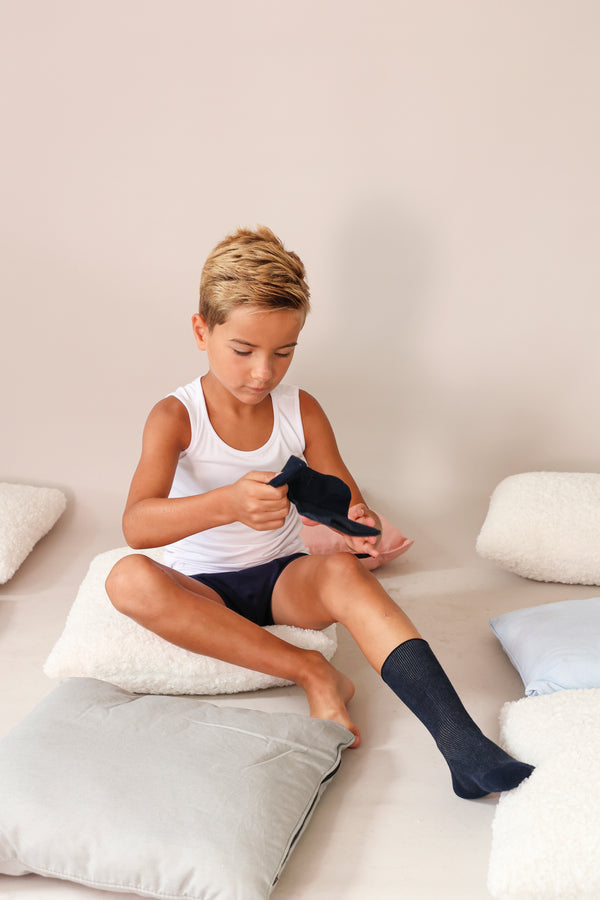
Clothing discomfort is often underestimated. Tight seams, itchy fabrics, labels, or pressure points can keep the nervous system activated all day.
For people who are sensory sensitive, comfortable clothing can reduce unnecessary stress signals.
Sensory-friendly clothing is designed to minimise irritation through:
-
Soft fabrics
-
Flat or seamless finishes
-
Tag-free designs
-
Gentle pressure and comfort
-
Predictable textures
This can help create a greater sense of physical calm during stressful situations.
The Child Mind Institute highlights that sensory sensitivities can affect emotional regulation, stress tolerance, and everyday comfort.
Helpful Sensory Tools for Anxiety and Overstimulation
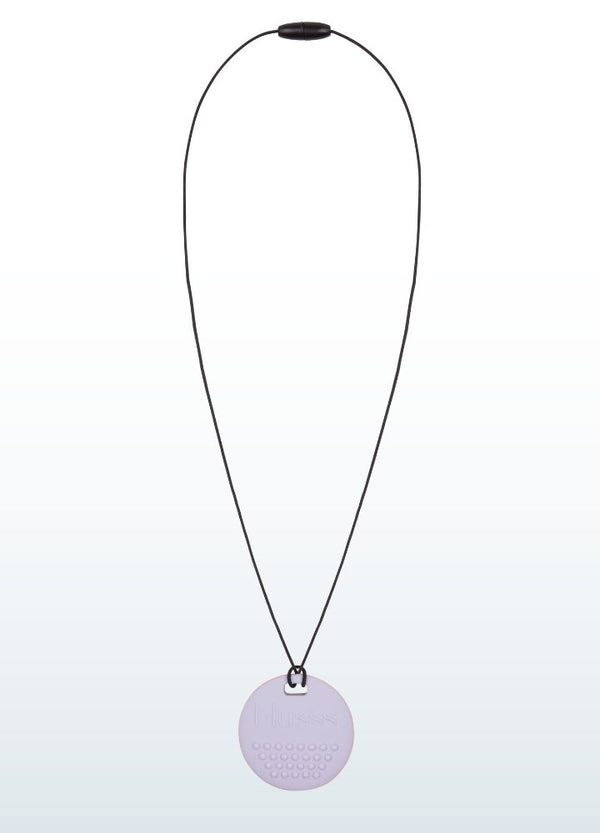
Many people combine calming routines with sensory-supportive tools such as:
-
Noise-reducing headphones
These tools are not a replacement for professional support, but they may help create moments of calm and regulation throughout the day.
For adults experiencing sensory overload, the Blusss sensory-friendly clothing collection offers soft and low-irritation essentials designed for everyday comfort.
Breathing and Relaxation Techniques for Anxiety
Simple physical techniques can help calm the nervous system during stressful moments.
One commonly used exercise is the 4-7-8 breathing method:
-
Inhale for four seconds
-
Hold for seven seconds
-
Exhale slowly for eight seconds
Repeating this several times may help slow physical stress responses.
Other calming practices include:
-
Gentle stretching
-
Walking outdoors
-
Progressive muscle relaxation
-
Listening to calming sounds
-
Creating predictable routines
Consistency often matters more than intensity.
Why Self-Care Matters When Living With Anxiety
Anxiety recovery is rarely about one major solution. Usually, it involves many smaller supportive habits.
Helpful foundations include:
-
Regular sleep
-
Balanced meals
-
Reduced caffeine intake
-
Rest moments during the day
-
Supportive relationships
-
Comfortable environments
For sensory-sensitive individuals, reducing daily friction can make emotional recovery feel more manageable.
FAQ
Why does sensory overload increase anxiety symptoms?
Sensory overload keeps the nervous system in a constant state of alertness. Loud sounds, crowded spaces, uncomfortable textures, or bright lighting can increase stress responses in the body. Reducing these triggers may help create more emotional stability and calm.
What if anxiety becomes worse in busy environments?
Busy environments often contain multiple sensory triggers at once. Noise, movement, social interaction, and visual stimulation can quickly become exhausting. Taking sensory breaks, using calming tools, and creating recovery moments may help reduce overwhelm.
How can sensory-friendly clothing help with anxiety and overstimulation?
Sensory-friendly clothing reduces irritation caused by seams, labels, tight fabrics, or rough textures. Many sensory-sensitive adults and children feel calmer when physical discomfort is minimised. Comfortable clothing may support focus, relaxation, and emotional regulation throughout the day.
Does creating a low-stimulation environment help with anxiety relief?
A low-stimulation environment can help the nervous system recover from constant sensory input. Soft lighting, quiet spaces, calming textures, and predictable routines often reduce stress levels. Small environmental changes can make daily life feel more manageable.
In short:
Anxiety and overstimulation often affect the nervous system at the same time.
Reducing sensory stress can support more calm, focus, and emotional balance.
Small sensory-friendly habits may make anxiety easier to manage daily.
If sensory discomfort increases stress during the day, exploring soft sensory-friendly clothing or calming sensory tools may offer additional support. Blusss designs products that help reduce unnecessary sensory irritation in everyday life.