Clothing for Sensitive Skin: How to Choose Comfort Without Irritation

Clothing for sensitive skin can make the difference between getting through the day calmly or feeling irritated, distracted, and tense. If your skin—or your child’s—itches, burns, or feels overwhelmed by seams, fabrics, or labels, clothing quickly becomes a daily challenge. This article explains how to choose clothing for sensitive skin that genuinely supports comfort, sensory calm, and everyday wellbeing.
What is Sensitive Skin, and Why does Clothing Matter so Much?
Sensitive skin reacts quickly to external stimuli. This can show up as itching, redness, eczema flare-ups, or a constant urge to scratch. For some people, especially children and adults with sensory sensitivity, the issue goes beyond the skin itself: clothing sensations are processed more intensely by the nervous system.
Clothing is in constant contact with the body. Fabrics, seams, labels, elastic, and fit all send signals to the skin and brain. When those signals are harsh or unpredictable, they can trigger physical discomfort, stress, and even emotional overload. That is why thoughtful clothing choices matter so much for people with sensitive skin.
Research in dermatology and occupational therapy shows that reducing tactile irritation helps lower stress responses and supports daily functioning, particularly in children with sensory processing differences.
Clothing for Sensitive Skin: Which Materials Help and Which to Avoid
Skin-friendly natural fibres
Material choice is the foundation of comfortable clothing for sensitive skin. Natural, breathable fibres are generally the most reliable option.
-
Organic cotton: soft, breathable, and free from many chemical residues
-
Bamboo: very smooth, moisture-wicking, and naturally gentle
-
Lyocell (TENCEL™): flexible, lightweight, and kind to reactive skin
These fabrics regulate temperature and reduce friction, which helps prevent itching and irritation.
Materials that often cause irritation
Some fabrics are more likely to trigger discomfort:
-
Polyester and nylon can trap heat and moisture
-
Wool often feels prickly, even in blends
-
Treated or heavily dyed fabrics may irritate reactive skin
-
High-elastic content can create pressure and friction
Always feel the fabric with your hands and check the inside finish before buying.
Innovative fabrics with added benefits
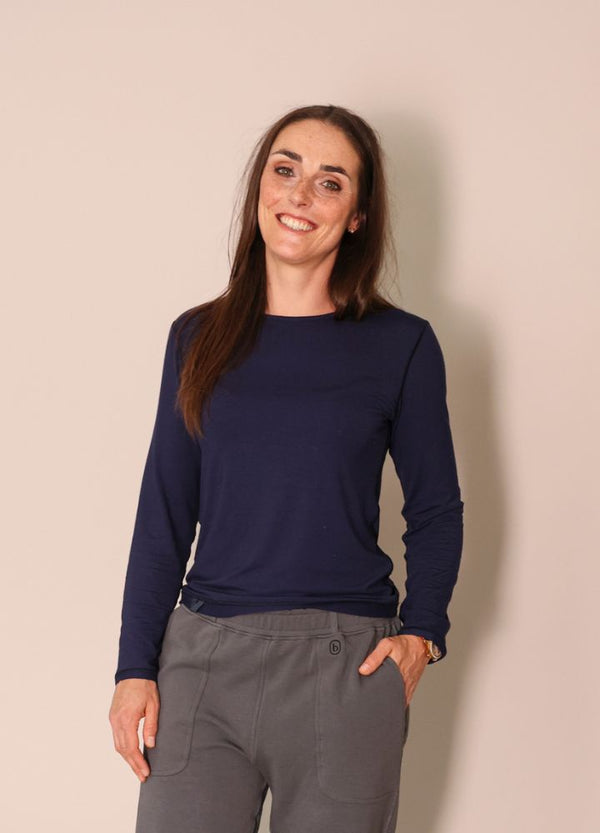
There are also modern textile solutions designed specifically for sensitive skin. Fabrics infused with zinc or silver are used in eczema clothing because of their antibacterial and skin-soothing properties. These materials are often recommended by dermatologists and occupational therapists as part of a broader comfort strategy. Blusss integrates this type of innovation into sensory-friendly garments.

Fit, Finishing, and Details that Truly Matter
Seamless, label-free construction
For sensitive skin, small details have a big impact. Raised seams, hard edges, or scratchy labels can cause constant irritation. Clothing without labels and with flat or seamless construction reduces friction and sensory overload, especially for children.
Blusss designs garments that are fully label-free and carefully finished to minimise tactile triggers.
The right size and relaxed fit
Tight clothing increases pressure and friction. Clothing for sensitive skin should fit comfortably without clinging. Extra room around the neck, waist, and underarms helps prevent rubbing and overheating.
A relaxed fit also allows the body to move naturally, which reduces constant sensory input.
Avoiding disruptive details
Check for hard zippers, thick seams, decorative patches, or rough stitching on the inside. Even small elements can cause ongoing discomfort when worn for hours.
Practical Daily Tips for Living with Sensitive Skin
Managing sensitive skin is not only about what you buy, but also how you use and care for clothing.
-
Wash new clothing before wearing it
-
Use fragrance-free, hypoallergenic detergent
-
Remove labels immediately
-
Choose breathable layers instead of synthetic fabrics
-
Change clothing after sweating
-
Pay extra attention to nightwear and underwear
-
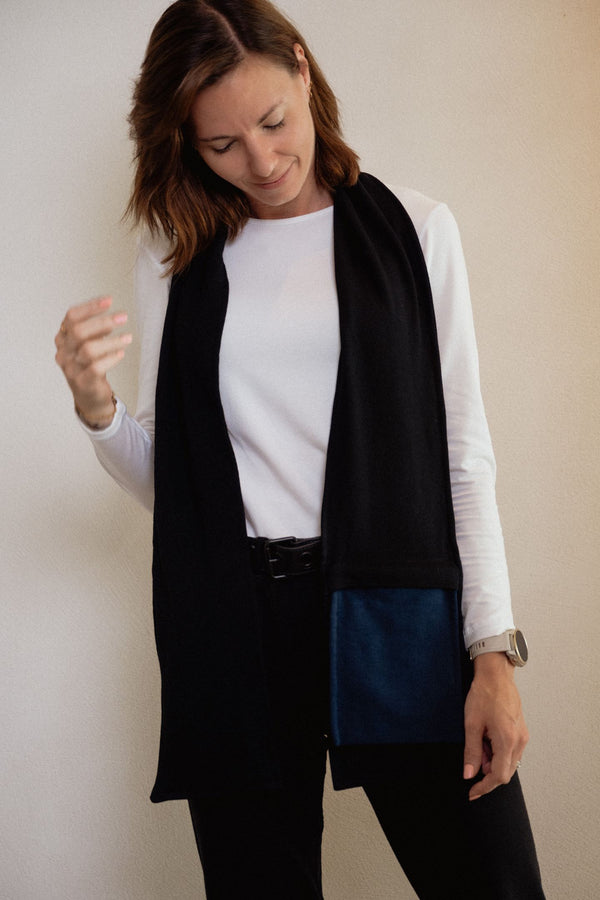
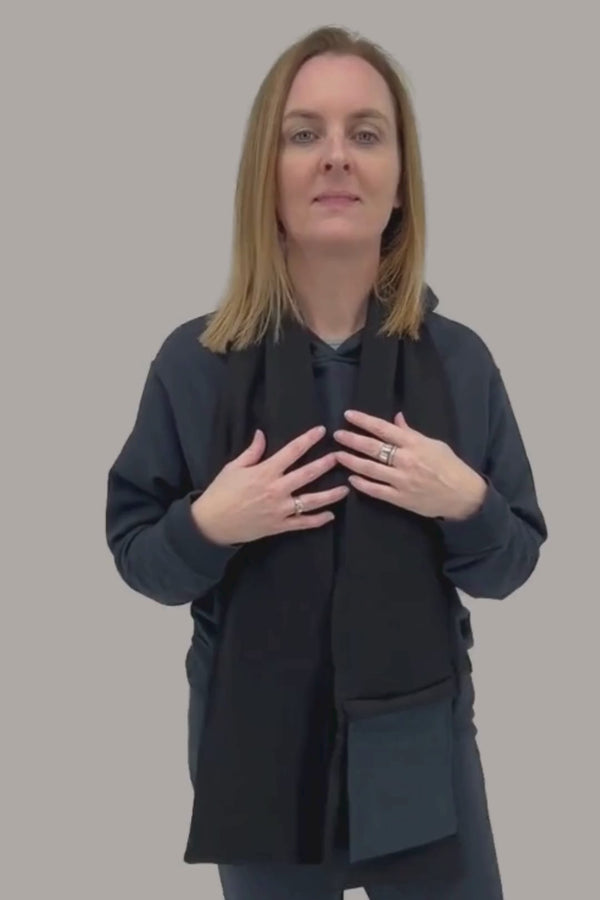
Use soft accessories, such as gentle arm sleeves, during flare-ups
These small adjustments often bring noticeable relief in daily life.
Sensory Comfort and Clothing
For people with sensory sensitivity—such as autism, ADHD, or high sensitivity—clothing sensations can strongly affect emotional regulation and concentration. Clothing for sensitive skin supports sensory predictability: soft textures, consistent pressure, and the absence of sudden tactile triggers.
Occupational therapists often recommend keeping a few trusted clothing items for demanding moments like school days, social events, or travel. Predictable sensory input helps the nervous system stay calmer.
FAQ
Why does clothing for sensitive skin reduce daily stress?
Clothing for sensitive skin reduces constant tactile irritation. When the skin receives fewer uncomfortable signals, the nervous system can relax, supporting focus, mood, and emotional balance throughout the day.
How can I choose clothing for sensitive skin for a child who rejects clothes?
Let the child help choose fabrics and styles, and focus on seamless, label-free designs. Predictable textures and a comfortable fit often reduce resistance and dressing-related stress.
What if clothing for sensitive skin still causes itching?
Check for hidden seams, elastic, or detergent residue. If irritation continues despite adjustments, a dermatologist or occupational therapist can help identify additional triggers.
Does clothing for sensitive skin help with sensory processing issues?
Yes. Clothing for sensitive skin supports sensory regulation by reducing unpredictable tactile input. This is especially helpful for children and adults with sensory processing differences.
In short:
Clothing for sensitive skin focuses on materials, fit, and finishing that reduce irritation.
By limiting friction and unpredictable sensations, it supports calmer sensory processing.
This results in more comfort, less stress, and smoother daily routines for children and adults.
For families exploring sensory-friendly solutions, Blusss offers clothing designed to support comfort and reduce daily stress, especially in underwear and base layers.