How to Build a Sensory-Friendly Wardrobe as an Adult

You finally found a top that feels good, then it shrinks. Or develops a seam. Or the label grows more unbearable by the hour. For adults with sensory sensitivity, ADHD, autism, or SPD, getting dressed is not just inconvenient. It can derail an entire day.
The good news: you don't have to keep guessing. Building a sensory-friendly wardrobe is a skill and once you know what to look for, it changes everything. This guide walks you through it, step by step.
What is a sensory-friendly wardrobe?
A sensory-friendly wardrobe is a curated collection of clothing specifically chosen to minimise tactile irritation — no scratchy seams, no tight elastic, no itchy labels. Each item is selected based on fabric, fit, and construction rather than appearance alone. For adults with sensory processing differences, it removes a significant source of daily stress.
Why Getting Dressed Is Harder Than It Looks
Clothing discomfort is not vanity it is neurology. The skin of a sensory-sensitive person processes touch differently: a seam that most people ignore becomes a persistent, distracting signal that competes with focus, mood, and energy throughout the day.
Occupational therapists who work with adults with ADHD and autism frequently cite clothing as one of the top unaddressed sources of daily dysregulation. Many adults spend years adapting to discomfort without realising there is a better option.

Step 1 – Identify Your Specific Triggers
Start by naming what bothers you. Most people have 2–4 consistent triggers rather than a general sensitivity to everything. Common ones include:
- Internal seams (especially socks, underwear, t-shirt collars)
- Fabric labels or tags, even small ones
- Tight waistbands or elastic that digs in
- Scratchy or rough textures (wool, polyester, stiff denim)
- Tight cuffs or sleeves that constrict movement
- Clothing that bunches, rides up, or shifts throughout the day
Write them down. This becomes your personal checklist when evaluating any new item.
Step 2 – Learn Which Fabrics Actually Work
Fabric is the most important factor in sensory-friendly clothing. These are the ones that consistently work for sensitive adults:
- Bamboo viscose: Exceptionally soft, breathable, and temperature-regulating. The gold standard for sensitive skin.
- Modal: Silky-smooth, stays soft after washing, drapes without clinging.
- Organic cotton (interlock): No rough texture, minimal shrinkage if pre-washed.
- Microfibre: Smooth and seamless-friendly, though check breathability.
Avoid standard polyester blends, rough cotton jersey, and anything labelled "moisture-wicking" unless it has been tested — those fabrics often create friction on sensitive skin.
Step 3 – Build Category by Category
Don't overhaul everything at once. Start with the item that causes the most daily friction — for most adults, that is socks or underwear — and work outward.
Socks
Seams at the toe and tight cuffs are the main culprits. Look for seamless construction and a soft, non-binding cuff. Our bamboo SENS socks are knitted seamlessly and use a graduated soft cuff that stays in place without gripping.

T-shirts and tops
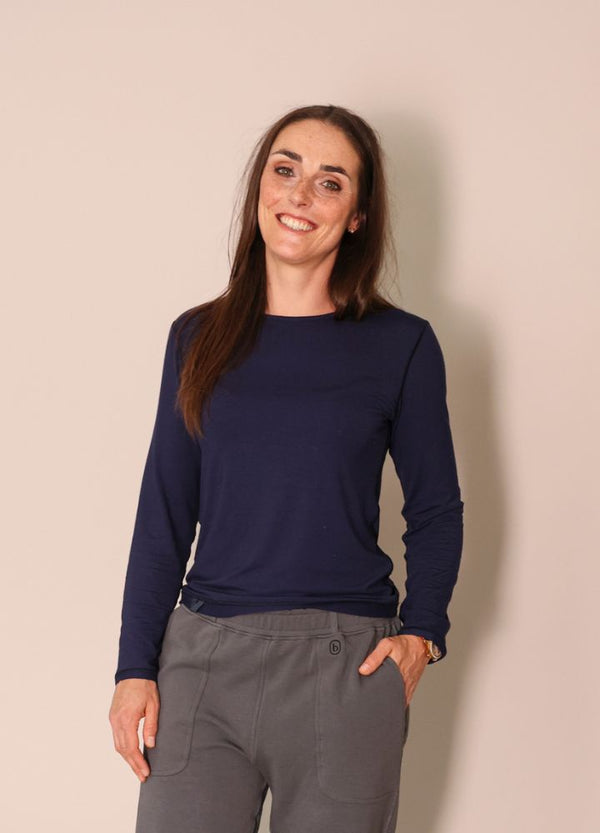
Look for: tagless or printed labels, flatlock or seamless construction at the shoulders, soft neckline without scratchy ribbing. The Sensory friendly T-shirt of Blusss are super soft cotton or bamboo fabric, with seamless feeling, no tag, no raised stitching anywhere that touches the skin.
Trousers and joggers
The waistband is everything. Avoid structured waistbands with a stiff inner lining. Look for wide, flat, soft waistbands in the same fabric as the trouser. The CALM JOGGER uses a wide cotton waistband with no inner elastic pressure, it stays in place without digging in.

Hoodies and sweatshirts
The inside texture matters as much as the outside. Look for smooth interior lining, minimal seams at the shoulders and underarms, and a hood without a scratchy drawstring end. The FIDGETFOCUS ZIP hoodie also includes a built-in fidget zipper pull — a detail that helps adults who need sensory input during the day.
Step 4 – Test Before You Commit
Even well-made sensory-friendly clothing needs to be tested on your body, in your context. Wear a new item for a full day before removing the tags. Pay attention to:
- How it feels after 3 hours, not just when you first put it on
- Whether seams shift or settle over the course of the day
- How it feels when you sit for long periods
- Whether it triggers any temperature sensitivity
Step 5 – Maintain What Works
Once you find items that work, protect them. Wash on a gentle cycle, avoid high heat in the dryer, and — crucially — buy multiples when you find something that genuinely works. Sensory-safe items can be hard to replace when discontinued.
Frequently Asked Questions
What is the most important thing to look for in sensory-friendly clothing for adults?
Seam construction and fabric softness are the two highest-impact factors. Seamless or flatlock seams eliminate most tactile irritation at the source. Soft natural fibres like bamboo viscose or modal maintain that softness through repeated washing.
Can sensory clothing look normal and be worn in professional settings?
Yes. The best sensory-friendly options are designed to look completely standard — the difference is in the construction, not the appearance. Items like the AIR FLOW t-shirt or CALM JOGGER are indistinguishable from regular clothing to anyone else.
How many items do I need to start a sensory-friendly wardrobe?
Start with 3–5 core items that address your biggest triggers. Getting socks, underwear, and one top right will make more difference than overhauling your entire wardrobe at once.
Are sensory clothing brands more expensive?
Specialist sensory clothing typically costs more than fast fashion — but significantly less than the ongoing cost of buying and discarding clothing that turns out to be unwearable. Most people find that buying fewer, better items is more economical long-term.
Does sensory-friendly clothing help with anxiety?
Removing a persistent sensory irritant reduces the cumulative sensory load throughout the day. For many adults, this contributes meaningfully to reduced anxiety and better energy management — particularly during demanding work days or social situations.
Where do I start if I have multiple sensory triggers?
Prioritise the garment you wear longest or that causes the most discomfort. For most adults, that is socks, underwear, or a base layer top. Once those are solved, work outward to trousers and outer layers.
Building a wardrobe that actually feels good takes time — but every piece you get right is one less thing your nervous system has to manage. Explore our full adult collection or start with the Calmwear Set — socks, trousers, and longsleeve in one sensory-safe bundle.