Sensory Overload in Children: 10 Things That Help Right Now

Your child has reached their limit. The noise, the lights, the scratchy collar, the crowded classroom, it all became too much. Now they are melting down, shutting down, or somewhere in between.
This is sensory overload. And in this moment, you don't need a theory. You need something that works, right now.
Here are 10 things that genuinely help — both in the moment and over time.
What is sensory overload in children?
Sensory overload happens when a child's nervous system receives more input than it can process. Sounds, textures, lights, smells, social demands, or physical sensations. The brain interprets this as a threat and shifts into survival mode: fight, flight or freeze. This is not a behaviour problem. It is a neurological response, most commonly seen in children with autism, ADHD, sensory processing disorder (SPD) or high sensitivity (HSP).
1. Reduce Input Immediately
The first and most important step is to lower the sensory volume. This means removing or reducing whatever is feeding the overload — even if you can only address one thing at a time.
- Move to a quieter space if possible
- Dim or turn off harsh lighting
- Turn off background noise (TV, music, notifications)
- Remove or loosen uncomfortable clothing items
- Create physical space — step back from crowds or bodies
Many parents find that even one small reduction — moving to a hallway, turning off a light — can begin to lower the intensity of an overload episode.
2. Don't Try to Reason or Problem-Solve
During overload, the rational part of the brain is offline. Asking "what's wrong?" or "can you calm down?" often makes things worse — it adds more input to an already overwhelmed system.
Instead: stay close, stay quiet, and stay calm. Your own regulated nervous system is the most powerful tool you have. Children's nervous systems co-regulate with their caregiver's — your calm becomes their calm.
According to research from Harvard's Center on the Developing Child, the presence of a calm, responsive adult is one of the most effective regulators of a child's stress response.
3. Offer Deep Pressure
Deep pressure — firm, consistent pressure on the body — activates the parasympathetic nervous system and signals safety. It is one of the fastest neurological interventions for overload.
Options in the moment:
- A firm hug (if your child accepts touch during overload — some don't)
- A heavy blanket or weighted item across the lap or shoulders
- Pressing palms together firmly
- Sitting with back firmly against a wall
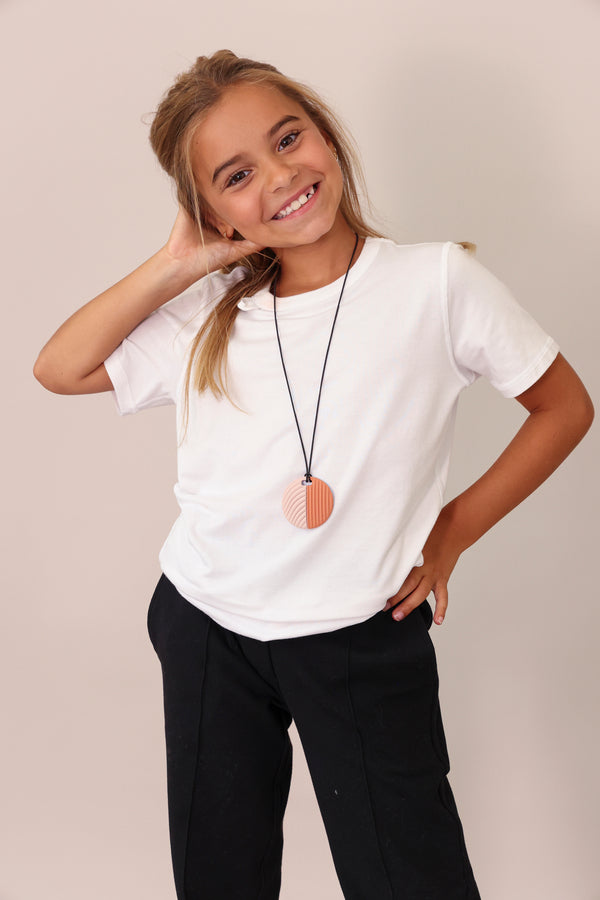
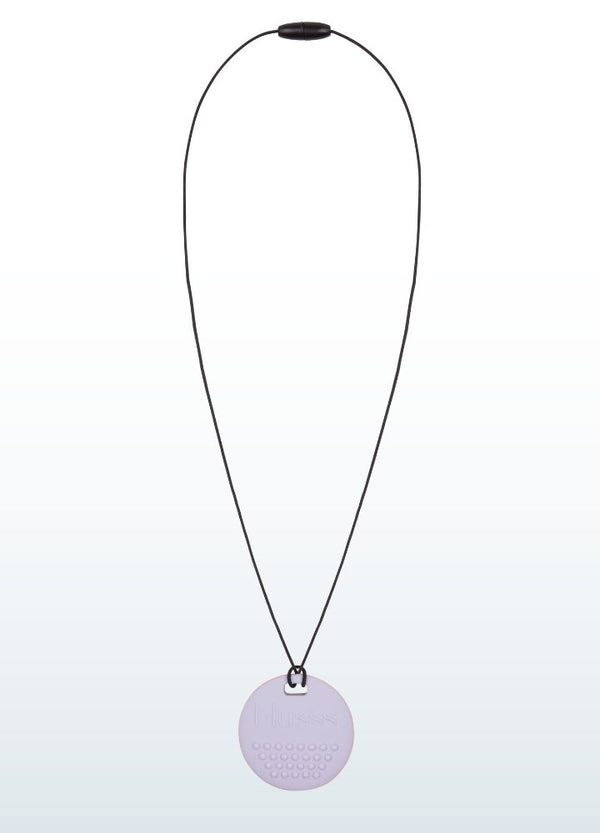
For daily use, a kids' weighted collar provides gentle, constant deep pressure that can prevent overload from building in the first place.

4. Use Slow, Rhythmic Movement
Rhythmic vestibular input — slow, repetitive movement — is one of the most regulating inputs for an overwhelmed nervous system. Think rocking, swaying, or slow swinging.
- Sit together and rock gently
- Slow swinging on a garden swing
- Walk slowly side by side without talking
- Bounce gently on a trampoline at low intensity
Avoid fast or unpredictable movement during overload — that can increase arousal rather than reduce it.
5. Offer a Safe Object or Sensory Tool
A familiar, comforting sensory object can serve as an anchor during overload. It gives the hands something to do and the nervous system something predictable to focus on.
- A soft, familiar toy or blanket
- A smooth textured fidget
- A chewy fidget for children who seek oral input
- A stress ball they can squeeze and release
The key is familiarity — introduce these tools in calm moments so they become associated with safety, not just crisis.
6. Give Permission to Do Nothing
Many children in overload feel additional pressure from adults who want to fix things quickly. Sometimes the most helpful thing is to remove all demand and simply let the nervous system recover at its own pace.
This means: no tasks, no questions, no expectations. Just presence and safety. Recovery from overload takes time — anywhere from a few minutes to an hour or more depending on the child and the severity of the overload.
7. Lower the Tactile Load
Clothing is a source of constant tactile input that most adults barely register — but for sensory-sensitive children, a scratchy seam, a tight waistband or an irritating label can be the straw that breaks the camel's back.
In the moment: if possible, loosen or remove the offending item. Long term, switching to seamless, tag-free, soft clothing as a baseline removes a significant and constant source of nervous system stress.
A child wearing soft, seamless clothing arrives at school with a lower baseline sensory load — meaning they have more capacity before they hit their limit.

8. Use Darkness or Reduced Visual Input
Visual overload is often underestimated. Flickering fluorescent lights, busy patterned walls, constant movement in the visual field — all of these feed into overload.
- A darkened room or tent
- An eye mask or simply covering the eyes with hands
- Turning the child to face a blank wall
- Moving outside to a green, open space with natural light
9. Regulate Your Own Nervous System First
This is harder than it sounds. When your child is in meltdown, your own stress response activates. But a dysregulated parent cannot regulate a dysregulated child.
Take three slow, deliberate breaths before responding. Keep your voice low and slow. Avoid sudden movements. Your body language communicates safety or threat directly to your child's nervous system — long before your words do.
The American Academy of Pediatrics notes that caregiver regulation is central to helping children with sensory processing differences recover from overload episodes.
10. Build a Lower Baseline Every Day
The best intervention for sensory overload is preventing it from building to a crisis point. This means reducing the daily sensory load through consistent, small changes.
- Morning routines that are calm and predictable
- Seamless, soft, tag-free clothing as a daily default
- A short movement break after school before homework or screens
- A sensory diet of daily regulating activities (proprioceptive, vestibular, oral)
- A safe, low-stimulation space at home for recovery
- Reducing unnecessary noise and visual clutter in shared spaces
The Calm & Focus Bundle combines three of the most effective daily sensory regulation tools — weighted collar, stress ball and chewy fidget — in one kit designed for children who need consistent sensory support throughout the day.

Frequently Asked Questions
What is the fastest way to calm sensory overload in a child?
Reduce input first — move to a quieter, dimmer space and remove any physical irritants like tight clothing. Then offer deep pressure (a firm hug, weighted item) and stay calm yourself. Avoid talking, asking questions or trying to problem-solve until the nervous system has begun to settle.
How long does sensory overload last in children?
Recovery time varies significantly depending on the child, the severity of the overload and the support provided. A mild episode may resolve in 5–10 minutes with the right support. A severe meltdown can take 30–60 minutes or longer. The key is to reduce demands during recovery, not to rush it.
Is sensory overload the same as a tantrum?
No. A tantrum is goal-directed behaviour — the child wants something and is expressing frustration. Sensory overload is a neurological response to input exceeding capacity. The child is not in control and cannot simply stop. Responding with calm, reduced input and no demands is more effective than discipline in a true overload episode.
Does clothing really make a difference for sensory-sensitive children?
Yes, significantly. Clothing is the most consistent source of tactile input in a child's day. Seams, labels, tight elastic and rough fabrics create a constant low-level stress signal that accumulates throughout the day, lowering the threshold for overload. Switching to seamless, tag-free, soft clothing reduces this baseline load — often making a noticeable difference to how much a child can handle before reaching their limit.
When should I seek professional help for sensory overload?
If sensory overload is significantly affecting your child's daily functioning — school attendance, friendships, eating, sleeping or family life — seek a referral to an occupational therapist with sensory integration training. Early support makes a significant difference. Your GP or paediatrician can advise on referral pathways.
Can sensory overload be prevented?
Not entirely — but it can be significantly reduced. Understanding your child's sensory profile, reducing unnecessary daily sensory stress (especially clothing), building in regular regulating activities, and creating predictable, low-stimulation routines all lower the baseline and increase your child's capacity to handle challenging environments.
Every child has a limit. The goal isn't to eliminate challenge — it's to lower the baseline so there's more space before that limit is reached. Explore our sensory tools and clothing for children — designed to reduce the daily sensory load, quietly and consistently.