New items for more calm and regulation New items for more calm and regulation

Guides

Sensory-Friendly Summer Clothing for Kids: How to Make Warm Days Feel Softer

A softer way to dress for summer

Sensory-Friendly Summer Clothing for Kids: How to Make Warm Days Feel Softer

Summer is often described as the easy season. But for many families, sensory-friendly summer clothing for children is not a small detail. It can be the difference between a calm morning and a day that starts with stress.  Bare feet. Light clothes. Long afternoons outside. A suitcase with shorts, T-shirts and swimwear. For many families, it sounds simple. But for a sensory-sensitive child, summer clothing can feel like a lot. The T-shirt that looked soft in the drawer suddenly feels scratchy. The waistband is not right. The sandals feel strange. Sunscreen makes the skin sticky. A label that seemed tiny becomes impossible to ignore. And before the day has even started, getting dressed has become the hardest part. If this sounds familiar, you are not alone. Many children with sensory sensitivities struggle with clothing, especially when the seasons change. Summer brings heat, sweat, exposed skin and unfamiliar textures. For some children, that can turn a simple outfit into a full-body stress signal. This guide will help you understand why summer clothing can feel so intense, what to look for in sensory-friendly summer clothing for children, and how to make getting dressed feel calmer for your child. Why summer clothing can feel so intense For many children, moving from winter clothes to summer clothes is easy. For a sensory-sensitive child, it can feel like the rules of their body have suddenly changed. Winter clothing is often predictable. Long sleeves. Soft layers. Socks. Familiar shoes. A coat that gives pressure and structure. Then summer arrives, and everything feels different. Short sleeves leave arms exposed. Shorts touch the legs in a new way. Sandals change how the feet feel. Swimwear is tight, wet and clingy. Sunscreen adds a sticky layer to the skin. Even the feeling of warm air on bare skin can be too much. Sensory processing issues can make everyday sensations feel stronger. The Child Mind Institute explains that children with sensory processing challenges may react intensely to things like irritating clothes, bright light, sound or unexpected changes. These reactions are not simply “bad behavior”. They are often signs that the child’s nervous system is overwhelmed. (childmind.org) In summer, small triggers often build on top of each other. Heat, sweat, labels, seams, elastic waistbands, sand, grass, wet swimwear and changes in routine can all arrive in the same day. One small irritation may be manageable. Five at once can feel impossible. That is why a child who seemed fine yesterday may suddenly refuse an outfit today. Their body may already be carrying too much sensory input. A familiar summer morning Maybe you recognise this. You have planned a simple day out. Nothing big. Maybe the park, a family lunch or a trip to the beach. You lay out a soft T-shirt and shorts. Your child looks at them and says no. You try another pair. Also no. The socks are wrong. The shorts are too tight. The T-shirt feels hot. The sandals feel strange. The label you already cut out still leaves a tiny rough edge. You are trying to stay calm, but time is moving. Everyone is waiting. Your child is crying now, and you are wondering how something so small became so hard. But to your child, it is not small. Their body may be reading those clothes as a threat. Not because they want to make the morning difficult, but because their sensory system is working hard to protect them. That shift in perspective matters. When we stop asking “Why won’t they just wear it?” and start asking “What is their body trying to tell us?”, dressing becomes less of a battle and more of a puzzle we can solve gently. What is sensory-friendly summer clothing for children? Sensory-friendly summer clothing is clothing that helps reduce unnecessary sensory input. It is chosen or designed with the child’s body experience in mind. That means softer fabrics, smoother seams, fewer irritating labels, gentle waistbands and a fit that helps the child feel safe. It does not have to look medical or different. The best sensory-friendly clothing often looks simple, stylish and everyday. The difference is in how it feels. Understood, a trusted resource for learning and thinking differences, recommends looking for super-soft clothes, natural materials, clothing without tags and seams, and pieces that do not bunch up for children with sensory clothing sensitivities. (understood.org) In summer, those details become even more important. Heat and sweat can make every texture feel stronger. A seam that is tolerable in spring may feel sharp in July. A waistband that felt fine indoors may become unbearable after an hour in the sun. Good sensory-friendly summer clothing usually feels soft on the inside, breathes well, moves with the body and avoids unnecessary details. The goal is simple: less friction, less pressure, less irritation, more ease. For many families, it helps to start with one soft, reliable piece. At Blusss, we design sensory-friendly clothing for children that feels gentle on sensitive skin and calm enough for everyday summer moments. Think soft fabrics, fewer irritating details and pieces your child can return to again and again. Explore sensory-friendly clothing for children The best fabrics for sensory-friendly summer clothes Fabric is often the first thing to check. Some children are very sensitive to texture. A fabric that feels “fine” to an adult may feel rough, stiff or clingy to a child with clothing sensitivity. For warm weather, look for fabrics that are soft, breathable and flexible. Soft cotton, bamboo blends, modal, lyocell, lightweight jersey and smooth stretch fabrics are often good options. Try to avoid fabrics that feel stiff, scratchy, heavily textured or synthetic in a way that traps heat. Be careful with glitter prints, embroidery, appliqués or large graphics too, especially if the inside of the garment feels rough. A simple test can help: turn the clothing inside out and run your hand slowly across the inside. That is the part your child feels all day. If you notice rough stitching, hard labels, thick seams or scratchy print backing, your child will probably notice them too. And if your child already finds dressing difficult, those small details can decide whether a piece is worn or left in the drawer. Loose or fitted: which is better? There is no single answer. Some sensory-sensitive children prefer loose clothing because they dislike pressure, tight waistbands or fabric touching the body too closely. For them, a loose T-shirt or soft wide-leg trousers may feel calmer than tight shorts or fitted tops. Other children feel safer in clothing that gives gentle, even pressure. For them, very loose clothing can feel unpredictable because it moves, twists or brushes against the skin. They may prefer leggings, fitted tops or soft layers that stay in place. This is why “just buy loose clothes” does not always work. The better question is: what kind of input helps your child’s body settle? If your child often says clothes are too tight, pulls at waistbands or wants everything off, they may need more space. If your child chooses leggings over loose shorts, enjoys tight pyjamas or likes being wrapped in blankets, they may feel calmer with gentle pressure. The goal is not to follow a clothing rule. The goal is to notice what helps your child’s nervous system feel safe. The most common summer clothing triggers Labels and seams are often the first problem. A label may look tiny, but to a sensitive child it can feel sharp, itchy or impossible to ignore. Cutting it out does not always solve the issue, because the leftover edge can become even more irritating. Tagless clothing or carefully removed labels are often better. Seams can also be difficult, especially around shoulders, underarms, waistbands, underwear and socks. In summer, sweat can make seams feel more intense. Flat seams, seamless designs or very soft seam construction can make a real difference. Waistbands are another common trigger. Shorts and skirts often come with elastic waistbands that dig in, twist or press into the skin. A waistband may feel fine for ten minutes and unbearable after lunch. Wide, soft and flexible waistbands are usually easier to tolerate than narrow or tight elastic. Short sleeves and bare legs can also be challenging. Some children love the freedom. Others feel exposed. Bare skin brings new sensations: air, sun, grass, car seats, sunscreen and the feeling of skin touching skin. If your child refuses shorts or short sleeves, lightweight long sleeves or soft loose trousers may be a kinder summer option. Sandals can be surprisingly hard too. They change how the foot feels. Straps touch new places. Small stones get in. Feet may feel exposed. A child who wears winter shoes without problems may still struggle with sandals because the sensory experience is completely different. And then there is swimwear. Swimwear can be tight, clingy, cold when wet and irritating around seams or elastic. If your child refuses swimwear, the issue may not be swimming. It may be the feeling of the clothing. Discover soft sensory-friendly clothing by Blusss. How to help your child get used to summer clothes The biggest mistake is waiting until the first hot day. By then, everyone is rushed. The clothes are new. The child is already warm. And the pressure to “just get dressed” is high. A softer approach is to introduce summer clothing slowly. Bring a few summer pieces out before they are needed. Let your child see them, touch them and sort them without having to wear them straight away. You can ask which fabric feels softest, which waistband feels better or which piece they might try for a few minutes. Start with short wearing moments at home. No pressure. No audience. No need to leave the house. A child may tolerate a new T-shirt for five minutes on Monday, ten minutes on Wednesday and half a morning the next week. That is progress. It also helps to pair something new with something familiar. If shorts are new, keep the favourite T-shirt. If sandals are new, keep familiar socks. If swimwear is hard, let the towel, bag or routine stay predictable. Try not to change the whole outfit at once. One new sensory experience is often enough. Choice matters too, but too many choices can overwhelm. Offer two options you are happy with, such as the blue soft shorts or the grey soft shorts. This gives your child some control without making the decision too big. The Child Mind Institute recommends planning ahead for summer sensory challenges and bringing tools that help children stay comfortable, such as sunglasses, comfortable clothes and shoes, and calming items. (childmind.org) For clothing-sensitive children, this might mean packing a soft spare outfit, seamless socks, a familiar light layer, a soft towel, wipes for sticky hands and a bag for wet or uncomfortable clothes. This is not over-preparing. It is giving your child a way back to comfort. What to do when your child refuses summer clothes When your child refuses an outfit, it can trigger stress quickly. You may be thinking about the weather, the schedule, the laundry, the appointment or the family waiting outside. But if your child is already overwhelmed, pressure usually makes the clothing feel even worse. Try to pause the argument first. Name what you see in simple words: “Your body is saying this does not feel okay.” Then offer one small change. Maybe a softer waistband. Maybe a different pair of socks. Maybe trousers instead of shorts. The goal is not to win the clothing discussion. The goal is to help your child feel safe enough to move into the day. Some days, the win is not the perfect summer outfit. The win is leaving the house with less distress. When clothing sensitivity affects daily life Clothing sensitivity is common in children with sensory processing differences, autism or ADHD, but it can also appear in children without a diagnosis. If clothing struggles are intense, daily or causing major distress, it can be helpful to speak with an occupational therapist. Occupational therapists can help identify sensory patterns and suggest practical strategies for daily routines. The Child Mind Institute notes that occupational therapists often support children with sensory processing challenges by observing specific sensitivities and helping families find ways to manage sensory input. (childmind.org) You do not need to wait until everything feels unmanageable. Support can be useful even when the goal is simple: calmer mornings, fewer meltdowns and a child who feels more comfortable in their body. A softer way to choose summer clothing At Blusss, we believe clothing should not ask a sensitive body to work harder than it already does. For children and adults who experience the world more intensely, small details can make a big difference. A softer fabric. A calmer fit. Fewer irritating elements. A piece that feels safe enough to wear again and again. That is why Blusss creates stylish sensory-friendly clothing and calming solutions with softness, comfort and everyday life in mind. Not loud. Not complicated. Just gentle support for bodies that feel more. If you are building a summer wardrobe for a sensory-sensitive child, start small. Choose one or two pieces that feel truly good. Notice what your child reaches for. Notice what stays in the drawer. Let their body guide you. Ready to build a softer summer wardrobe?You can explore our sensory-friendly clothing for children when you are ready. Quick checklist before choosing summer clothes Before buying or packing summer clothing, ask yourself: Does the fabric feel soft on the inside? Are the seams gentle? Is the waistband soft and flexible? Will the fabric breathe in warm weather? Has my child tried it before the big day? Is there a comfortable backup outfit? A small check like this can prevent a lot of summer stress. Key takeaways Summer clothing can feel overwhelming for sensory-sensitive children because of heat, sweat, new textures, exposed skin and changes in routine. The best sensory-friendly summer clothing is soft, breathable, tagless, gentle at the seams and matched to your child’s need for either space or soft pressure. Getting dressed becomes easier when children can prepare slowly, make small choices and have comfortable backup options. FAQ What is sensory-friendly summer clothing? Sensory-friendly summer clothing is clothing that reduces irritating sensations on the body. It usually includes soft fabrics, breathable materials, tagless designs, gentle seams and comfortable waistbands. Why does my child refuse summer clothes? Your child may refuse summer clothes because they feel scratchy, tight, loose, sticky, hot or unfamiliar. Short sleeves, bare legs, sandals and swimwear can all create new sensory input. What fabrics are best for sensory-sensitive kids in summer? Soft cotton, bamboo blends, modal, lyocell and lightweight jersey are often good options. The best fabric depends on your child, but it should feel soft, breathable and smooth on the inside. Are loose clothes better for sensory issues? Sometimes. Some children prefer loose clothing because they dislike pressure. Others feel calmer with gentle, close-fitting clothing. Watch what your child naturally chooses and use that as your guide. How can I help my child wear shorts? Start slowly. Let your child touch the shorts first, then try them indoors for a short time. Pair them with a familiar top and offer two soft options. If shorts still feel too hard, lightweight trousers may be a better summer solution. What helps with labels and seams? Choose tagless clothing when possible. Look for flat seams or seamless designs. If removing labels, try to remove the full label from the stitching instead of leaving a rough cut edge. Why is swimwear so hard for sensory-sensitive children? Swimwear can feel tight, clingy, cold when wet and irritating around seams or elastic. Let your child try swimwear before the swim day and always bring soft dry clothes for afterwards. When should I ask for extra support? If clothing struggles cause daily distress, long meltdowns or make it hard to leave the house, an occupational therapist may help you understand your child’s sensory needs and find practical strategies.

Continue reading

How to Self-Soothe When You Feel Overstimulated

How to Self-Soothe When You Feel Overstimulated

Feeling overstimulated can happen when your brain is processing more sensory or emotional input than it can comfortably handle. This might show up in busy environments, stressful workdays, crowded spaces, or even at home when too many things demand your attention at once. You might feel tense, irritable, emotionally overwhelmed, or mentally “foggy.” This is a natural stress response from your nervous system—not a personal failure. This guide explains what is happening in your body and gives simple, practical ways to calm overstimulation quickly and gently. What Is Overstimulation? Overstimulation happens when your nervous system receives more input than it can process. This can include: Loud or constant noise Bright or flickering lights Strong emotions or social pressure Too many tasks or decisions Physical discomfort or crowded spaces When this happens, your brain can shift into a stress response (often called “fight, flight, or freeze”), making it harder to think clearly or stay emotionally balanced. The Cleveland Clinic explains how the nervous system responds during stress activation and sensory overload. Signs You May Be Overstimulated Common signs include: Feeling mentally overwhelmed or foggy Irritability or emotional sensitivity Difficulty focusing or making decisions Feeling like sounds or lights are “too much” Urge to escape or shut down Recognizing these signs early makes it easier to regulate your nervous system before overwhelm increases. Why Overstimulation Feels So Intense Your nervous system is designed to protect you. When it detects too much input, it shifts into survival mode to reduce perceived risk. In this state: Logical thinking becomes harder Emotional reactions feel stronger Small stressors can feel overwhelming People who are highly sensitive to stimuli or under chronic stress may experience this more frequently. According to Harvard Health, chronic stress can keep the body in a more activated state, making emotional and sensory overwhelm feel more intense. How To Self-Soothe When Overstimulated (Fast Techniques) These grounding techniques help your body signal safety and reduce sensory overload quickly. 1. Ground your body Press your feet firmly into the floor. Notice the pressure and stability beneath you. 2. Use slow breathing Try this simple pattern: Inhale for 4 seconds Exhale for 6 seconds Longer exhalations help activate your calming response. 3. Reduce sensory input Lower lights if possible Step away from noise Close your eyes briefly 4. Use touch or pressure Hold a textured object, press your hands together, or place a hand on your chest for calming physical feedback. 5. Name your surroundings Identify: 3 things you can see 3 things you can hear 3 things you can feel This helps shift focus away from overwhelm. Long-Term Ways to Reduce Overstimulation While fast techniques help in the moment, long-term regulation can reduce how often overload happens. Helpful strategies include: Building quiet recovery time into your day Reducing constant background noise when possible Using predictable routines Practicing regular grounding exercises Identifying personal sensory triggers Sensory Tools That Can Help Some people benefit from discreet sensory support tools in daily life, such as subtle fidget items or soft tactile clothing features. For example, sensory-friendly designs from Blusss focus on calm, low-profile sensory support that can be used in school, work, or public spaces without drawing attention. FAQ What is self-soothing? Self-soothing is the ability to calm your body and mind during stress or sensory overload. It helps your nervous system return to a balanced state using grounding, breathing, or sensory regulation techniques. How do I calm myself when overstimulated? Focus on reducing input and grounding your attention in your body. Slow breathing, physical pressure, and stepping away from stimulation are effective first steps. What are quick self-soothing techniques? Quick methods include deep breathing, holding a textured object, reducing noise or light, and focusing on physical sensations like touch or pressure. Further Reading What is Tactile Overstimulation Axiey Calming

Continue reading

ADHD Tools for Adults: The Complete Guide

ADHD Tools for Adults: The Complete Guide

Adults with ADHD often struggle with concentration, overstimulation, stress, and maintaining structure in daily life. Fortunately, there are many ADHD tools for adults that can support focus, emotional regulation, and productivity. In this guide, you’ll discover which tools actually help and how to choose the right ones for your lifestyle. What are ADHD Tools? ADHD tools are products, strategies, or sensory supports designed to help adults manage focus, attention, overstimulation, and emotional regulation. Some tools provide physical sensory input, while others help create more structure and calm throughout the day. Common ADHD tools include: Fidget tools Sensory clothing Planning and organization tools Stress regulation aids Focus-supporting routines For many adults, small adjustments can make a meaningful difference in concentration, productivity, and overall well-being. Why Do Adults with ADHD Need Tools? ADHD does not disappear in adulthood. The CDC explains how ADHD continues to affect many adults throughout daily life. Many adults experience challenges such as: difficulty concentrating being easily distracted sensory overstimulation stress and mental restlessness trouble with planning and organization The right ADHD tools can help create more calm, structure, and focus without making daily life feel like a constant struggle. Related reading: Improving Focus and Attention How a Tangle Can Help Manage ADHD Best ADHD Tools for Adults Not every tool works for everyone. ADHD is highly personal, which is why it’s important to find supports that fit your nervous system and lifestyle. 1. Fidget Tools Fidget toys for ADHD are among the most popular tools for adults. They help release restless energy and can improve concentration during work, meetings, studying, or commuting. Many adults notice that subtle hand movement actually helps them focus better and stay mentally engaged. Benefits of fidget tools: improve focus reduce stress support sensory regulation help calm racing thoughts Related reading: Fidget Toys for ADHD Best Fidget Toys for Stress Relief Many people prefer discreet and stylish fidget tools that can be used comfortably in professional environments. 2. Sensory Clothing Sensory overstimulation is common among adults with ADHD. Certain fabrics, seams, textures, or tight clothing can create additional stress throughout the day. Sensory clothing can help by providing: soft and comfortable materials calming pressure fewer distractions a more regulated sensory experience Some adults feel more grounded and relaxed during work, travel, or social situations when wearing sensory-friendly clothing. Subtle sensory garments, such as calming hoodies or weighted accessories, can provide support without sacrificing comfort or style. 3. Structure and Planning Tools Many adults with ADHD struggle with organization and task management. Structure tools help reduce mental overload and make daily responsibilities feel more manageable. Helpful tools include: planners time-blocking apps visual calendars timers routine trackers Small routines often reduce stress and improve productivity over time. 4. Stress and Regulation Tools ADHD is often linked to heightened stress sensitivity and emotional overwhelm. According to Cleveland Clinic, adults with ADHD often experience challenges related to emotional regulation, focus, and overstimulation. That’s why regulation tools can play an important role. Examples include: weighted products breathing exercises sensory tools low-stimulation workspaces noise-reducing accessories These supports help regulate the nervous system and make it easier to return to a calmer state. Which ADHD Tools Actually Work? There is no one-size-fits-all solution for ADHD. The most effective tools depend on your personal challenges, environment, and sensory needs. Many adults see the best results when tools are: easy to use comfortable practical for daily life supportive rather than overstimulating Consistency matters more than perfection. Small supportive tools can collectively make a significant impact on focus, stress, and emotional balance. How to Choose the Right ADHD Tool When choosing ADHD tools for adults, start by identifying your biggest challenge. Ask yourself: Do I struggle most with focus? Am I easily overstimulated? Do I need more structure? Do I experience physical restlessness or stress? Once you understand your needs, it becomes easier to test tools that genuinely support your daily life. Look for tools that are: discreet comfortable easy to use consistently calming instead of distracting Many adults benefit from combining multiple supports, such as fidget tools, sensory clothing, and structured routines. ADHD Coping Strategies That Can Help In addition to tools, daily habits also play an important role in managing ADHD. Helpful coping strategies include: creating consistent routines breaking tasks into smaller steps taking regular movement breaks reducing sensory overload working in calm environments using visual reminders ADHD tools often work best when combined with supportive routines and environments.   FAQ What tools help adults with ADHD? Common ADHD tools include fidget toys, sensory clothing, planners, timers, and stress regulation products. The best option depends on individual needs and sensitivities. Do ADHD tools actually work? For many adults, ADHD tools can improve focus, concentration, and sensory regulation. Tools tend to work best when used consistently as part of daily routines. What helps with ADHD overstimulation? Calm environments, sensory tools, comfortable clothing, and stress regulation strategies can help reduce overstimulation and improve emotional balance. Are fidget toys effective for adults? Yes. Many adults use fidget tools to improve focus, reduce restlessness, and stay mentally engaged during work or daily activities. What clothing helps with sensory overstimulation? Soft, sensory-friendly clothing without irritating textures, seams, or labels can help reduce sensory discomfort and improve comfort throughout the day. How can adults with ADHD improve focus? Improving focus with ADHD often requires a combination of supportive tools, routines, sensory regulation, and structured environments. Creating More Calm and Focus in Daily Life ADHD tools for adults do not need to be complicated. Small supportive changes can help create more focus, less stress, and a greater sense of balance throughout the day. By exploring which tools best support your needs, it becomes easier to stay productive and regulated without constantly feeling overwhelmed or overstimulated.

Continue reading

Seamless Clothing: A Complete Guide for Sensitive Skin and Everyday Comfort

Seamless Clothing: A Complete Guide for Sensitive Skin and Everyday Comfort

Do you sometimes feel like your clothing constantly irritates your skin? Many people experience itching, rubbing, or pressure from seams, labels, or tight stitching during the day. While these details may seem small, they can quickly become uncomfortable when clothing is worn for long periods. For people with sensitive skin, eczema, or sensory sensitivities, these irritations can affect daily comfort and focus. Seamless clothing offers a practical solution. By removing traditional seams and thick stitching, garments feel smoother and softer against the skin. Many people notice that clothing without seams reduces friction and allows them to move more freely throughout the day. In this guide, you’ll learn what seamless clothing is, why it can improve comfort, who benefits most from it, and how to choose the right pieces for everyday wear. What is Seamless Clothing? Seamless clothing is produced using specialised knitting technologies that allow garments to be created in one continuous piece. Instead of sewing together different fabric panels, machines knit the fabric in a circular or three-dimensional structure. This production method eliminates many of the raised seams that are common in traditional clothing. Because there are fewer seams and stitching points, the fabric sits smoothly against the body. Many people describe the sensation as similar to wearing a second skin. The surface of the garment feels more even, which helps reduce friction on sensitive areas. Seamless designs are commonly used for everyday basics such as underwear, socks, T-shirts, sportswear, and base layers. These garments are often made from soft and breathable materials like cotton, bamboo, or modal, which further improve comfort for people with sensitive skin. Why Seamless Clothing Feels More Comfortable Traditional clothing seams can create small pressure points that rub against the skin, especially during movement or long periods of wear. Seamless clothing removes these pressure points, allowing fabric to sit smoothly against the body. This can be particularly helpful for people who experience: sensitive skin eczema allergies sensory sensitivities Common benefits include: fewer pressure points on the skin reduced itching or irritation smoother fabric against the body more consistent comfort throughout the day For children with sensory processing sensitivities, clothing without seams can also make dressing routines calmer and easier. Research in occupational therapy shows that tactile stimuli, including clothing textures and pressure points, can strongly influence comfort and concentration for individuals who are sensitive to sensory input. More information about sensory processing and tactile sensitivity can be found on the STAR Institute for Sensory Processing website. Freedom of Movement and Flexibility Another advantage of seamless clothing is the way it adapts to body movement. Because the garment is knitted as one piece, the fabric can stretch more evenly across the body. There are no stitched panels that restrict movement or create tension in certain areas. This flexibility makes seamless clothing particularly suitable for activities that involve frequent movement, such as sports, long school days, travelling, or simply relaxing at home. Many people find that seamless garments feel less restrictive than traditional clothing and remain comfortable throughout the day. A Clean and Modern Design Beyond comfort, seamless clothing also fits well with contemporary minimalist fashion. The absence of visible seams creates smooth silhouettes and simple garment structures. Designers often combine this construction with neutral colours and timeless shapes, making seamless clothing easy to integrate into many wardrobes. While seamless garments were once mostly associated with sportswear, they are now widely used for everyday basics, underwear collections, sleepwear, and layering pieces. As textile technologies continue to develop, seamless clothing is becoming more common across many different clothing categories. Who Benefits Most from Seamless Clothing? Seamless clothing can improve comfort for many different people. It is especially helpful for: children with sensory sensitivity or autism adults with sensitive skin people with eczema or skin irritation individuals with ADHD or sensory processing differences people recovering from burnout or neurological conditions Parents often notice that removing irritating seams makes dressing routines calmer for children who are sensitive to textures. Adults also report feeling more relaxed when clothing no longer constantly draws attention to seams or pressure points. Choosing Comfortable Seamless Clothing When selecting seamless clothing, the material and finishing details are just as important as the absence of seams. Soft, breathable fabrics such as cotton, bamboo, and modal are often the most comfortable options for sensitive skin. These materials help regulate temperature and reduce moisture, which can further prevent irritation. It is also helpful to check how labels and elastic bands are finished. Some garments may still contain stitched tags or tight elastics that create pressure. Clothing with printed labels and soft elastic edges usually provides a smoother wearing experience. Finally, the fit should feel supportive without being restrictive. Even seamless garments can become uncomfortable if they are too tight. A well-fitting garment should move naturally with the body and feel smooth against the skin throughout the day. FAQ Why does seamless clothing feel more comfortable? Seamless clothing feels more comfortable because it removes raised seams and thick stitching that can rub against the skin. The smoother fabric surface reduces pressure points and allows the garment to move more naturally with the body. Is seamless clothing better for sensitive skin? Many people with sensitive skin prefer seamless clothing because it reduces friction and irritation. Soft fabrics such as cotton, bamboo, or modal can further improve comfort. Can seamless clothing help with eczema? Seamless garments may help reduce irritation for people with eczema because they minimise rubbing on sensitive areas of the skin. Choosing breathable fabrics can also support skin comfort. How does seamless clothing help with sensory sensitivity? For individuals with sensory sensitivities, seams and clothing textures can sometimes trigger discomfort or distraction. Seamless clothing provides a smoother surface against the skin, which can reduce tactile stimulation. If clothing seams regularly cause irritation, exploring sensory-friendly underwear from Blusss may be a practical step toward more comfortable everyday wear.

Continue reading

Weighted Neck Pillow: A Complete Guide to Calm, Comfort and Sensory Relief

Weighted Neck Pillow: A Complete Guide to Calm, Comfort and Sensory Relief

A weighted neck pillow is designed to provide gentle, targeted pressure to the neck and shoulders. Many people use a weighted neck pillow to reduce tension, calm sensory overload, and unwind after a busy day. This guide explains how it works, who it is suitable for, how to choose the right one, and how to use it safely. What is a Weighted Neck Pillow? A weighted neck pillow is a neck-shaped cushion filled with small glass beads or similar materials that add weight. Unlike a regular travel pillow that offers only support, this pillow applies even, gentle pressure to the neck and shoulders. This pressure is known as deep pressure stimulation (DPS). Deep pressure stimulation is widely used in occupational therapy to help regulate the nervous system and promote a sense of calm. The American Occupational Therapy Association explains how sensory-based strategies like deep pressure can support regulation in both children and adults. While a weighted blanket distributes weight across the entire body, a weighted neck pillow works locally. That makes it practical for short rest moments, studying, travelling, or winding down before bed. Benefits of a Weighted Neck Pillow for Stress and Sensory Overload Tension often builds up in the neck and shoulders, especially after screen time, school, or work. A weighted neck pillow offers focused pressure exactly where many people hold stress. People commonly use it to: Relax tight neck and shoulder muscles Create a calm transition after a stimulating day Support focus during reading or homework Add structure to a sensory regulation routine Prepare the body for rest or sleep For individuals with autism, ADHD, or high sensitivity to stimuli, deep pressure can feel organising and grounding. Research into deep touch pressure suggests it may help reduce physiological arousal and support relaxation responses. It is not a medical treatment, but it can be part of a broader calming routine. Who is a Weighted Neck Pillow Suitable for? A weighted neck pillow can be helpful for: Children with sensory processing differences Teenagers who struggle to unwind after school Adults with high stress levels People who sit at a desk for long periods Individuals who benefit from structured calming input Parents sometimes use a weighted neck pillow during quiet activities such as reading or drawing. Adults may use it during breaks, while travelling, or as part of an evening wind-down ritual. For children under three years old, and for people with respiratory, circulation, or medical conditions, professional advice is recommended before use. How to Choose the Right Weighted Neck Pillow Choosing the right weighted neck pillow is about comfort, not intensity. 1. Weight A common guideline is around 5–10% of body weight. However, personal preference matters more than numbers. The pillow should feel grounding, not restrictive. 2. Material Look for: Soft, breathable fabrics Hypoallergenic materials Evenly distributed filling No hard zippers, seams, or labels This is especially important for sensory-sensitive users. 3. Shape and fit Most weighted neck pillows have a U-shape to contour naturally around the neck. Make sure the size matches the user’s body proportions and intended use (home, school, travel). 4. Practicality Check whether: The cover is washable The pillow is easy to carry The stitching feels durable How to Use a Weighted Neck Pillow Safely Using a weighted neck pillow correctly ensures comfort and safety. General guidelines: Use for 10 to 30 minutes at a time Stop immediately if it feels uncomfortable Do not use for children under 3 years old Avoid use without professional advice if there are breathing or medical concerns Follow washing instructions carefully Some people use the pillow during breathing exercises, quiet reading, or while wearing calming sensory clothing. Combining tools can create a predictable relaxation routine. If you are unsure whether weighted products are appropriate in your situation, consult a healthcare professional or occupational therapist. FAQ Why does a weighted neck pillow help with sensory overload in children? A weighted neck pillow provides deep pressure stimulation, which can support nervous system regulation. For children with sensory processing differences, this input may feel grounding and predictable. It can be used during calm activities to support focus and relaxation. It should always be introduced gradually and under supervision. How can a weighted neck pillow reduce neck and shoulder tension after work? A weighted neck pillow applies evenly distributed pressure to areas where tension commonly builds up. This pressure can encourage the body to shift from a heightened stress response toward a calmer state. Using it during short breaks or after screen time may support physical relaxation. It is not a substitute for medical care if pain persists. Does a weighted neck pillow help with sleep problems caused by stress? A weighted neck pillow can be part of a structured wind-down routine before bed. The deep pressure stimulation may help signal safety and calm to the nervous system. It is best used before sleep rather than all night, unless it remains comfortable and safe. Persistent sleep issues should be discussed with a healthcare professional. What if a weighted neck pillow feels too heavy or uncomfortable? If a weighted neck pillow feels restrictive, it is likely too heavy for the user. Comfort is the most important indicator. Try a lighter version or reduce usage time. The sensation should feel calming, not overwhelming. In short: A weighted neck pillow provides gentle pressure to calm the nervous system.It supports relaxation, focus, and sensory regulation in daily routines.Used correctly, a weighted neck pillow can add structure to calming moments.

Continue reading

Clothing for Eczema: A practical guide to comfortable, skin-friendly choices

Clothing for Eczema: A practical guide to comfortable, skin-friendly choices

Living with eczema can make something as simple as getting dressed uncomfortable. The wrong fabrics, seams, or tight clothing can quickly trigger itching, redness, or irritation. Choosing the right clothing for eczema can therefore play an important role in protecting sensitive skin and improving everyday comfort. For people with eczema, clothing is not just a style choice, it can influence how calm or irritated the skin feels throughout the day. Understanding which materials and garment designs work best can help reduce friction, overheating, and other common triggers. This guide explains why clothing affects eczema, which fabrics are most suitable for sensitive skin, and how to choose eczema-friendly clothing that supports daily comfort. Why Clothing can Trigger Eczema Irritation Eczema, also known as Atopic dermatitis, weakens the skin’s natural protective barrier. When this barrier is compromised, the skin becomes more sensitive to heat, moisture, and physical friction. Because of this increased sensitivity, small details in clothing can make a significant difference. Common triggers include: rough seams rubbing against the skin tags or labels causing constant itching tight elastics creating pressure points synthetic fabrics trapping heat and sweat For many people with eczema, these factors can lead to redness, itching, or flare-ups during everyday activities. Children with eczema often notice this even more strongly. School uniforms, sports clothing, or socks with thick seams may cause irritation that continues throughout the day. The National Eczema Association notes that reducing friction and choosing appropriate fabrics can help manage eczema symptoms and support skin comfort. Why Eczema Makes Skin More Sensitive Healthy skin acts as a protective barrier that locks in moisture and keeps irritants out. In people with eczema, this barrier does not function as effectively. As a result: the skin loses moisture more quickly nerve endings become more sensitive heat and friction trigger stronger reactions Even fabrics that normally feel soft can become irritating if clothing contains rough stitching, seams, or tight elastic bands. Breathable materials and smooth garment construction are therefore essential when choosing clothing for sensitive or eczema-prone skin. Best Fabrics for Eczema-Friendly Clothing People with eczema usually benefit most from soft, breathable fabrics that help regulate temperature and reduce friction on the skin. Cotton Cotton is one of the most widely recommended fabrics for sensitive skin. Benefits include: soft texture excellent breathability low irritation risk Organic cotton can be especially helpful because it is less likely to contain chemical residues from processing. Bamboo Bamboo fabrics are increasingly popular for eczema-friendly clothing. They are known for: very smooth fibers moisture-absorbing properties natural temperature regulation These qualities help reduce heat and friction, which are common triggers for eczema discomfort. Silk Silk creates a very smooth surface that glides over the skin. This can help reduce irritation caused by: friction rough seams tight clothing Some dermatologists recommend silk sleepwear or underwear for people who experience itching during the night. Additional information about skin-friendly fabrics can be found through the American Academy of Dermatology. Fabrics that may Worsen Eczema Symptoms Certain fabrics are more likely to trigger irritation or discomfort for eczema-prone skin. Wool Although warm, wool fibers can feel prickly and create friction against sensitive skin. Synthetic fabrics Materials such as polyester, nylon, or spandex may: trap heat hold sweat close to the skin increase itching or irritation Chemically treated fabrics Clothing treated with heavy dyes, fragrances, or finishing chemicals may trigger skin reactions in some people. How Clothing Design Affects Eczema Comfort Fabric choice is important, but the construction of a garment can also influence skin comfort. Many people with eczema find irritation caused by: thick seams rough stitching tight cuffs or waistbands internal labels or tags Clothing designed to reduce these triggers is often referred to as sensory-friendly clothing. Sensory-friendly garments typically include: flat or minimal seams tag-free designs soft materials relaxed and comfortable fits These design features help reduce pressure and friction on sensitive skin. Some clothing brands focus specifically on sensory comfort and sensitive skin, using construction techniques that avoid irritating seams or labels. Blusss develops sensory-friendly clothing designed to support people with sensitive skin and everyday comfort. Practical Tips for Choosing Clothing for Eczema Finding comfortable clothing for eczema becomes easier when focusing on a few key factors. 1. Choose breathable fabrics Look for natural materials such as cotton, bamboo, or silk. These fabrics allow air circulation and help prevent overheating. 2. Check seams and labels Before buying clothing, examine the inside of the garment. Avoid: thick seams stiff stitching sewn-in labels 3. Choose loose, comfortable fits Tight clothing increases friction and traps heat. Relaxed fits are often more comfortable for eczema-prone skin. 4. Wash new clothing before wearing New garments may contain finishing chemicals from manufacturing. Washing them before first use helps remove these residues. How Washing Clothing Can Affect Eczema Laundry habits can influence skin comfort just as much as fabric choice. Helpful practices include: using fragrance-free detergent avoiding fabric softeners running an extra rinse cycle air-drying when possible These steps reduce detergent residue that might otherwise irritate sensitive skin. Growing Awareness of Eczema-Friendly Clothing Interest in eczema-friendly and sensory-friendly clothing has increased in recent years. Designers and clothing brands are increasingly focusing on comfort features such as: tag-free designs flat or hidden seams breathable fabrics temperature-regulating materials These innovations aim to make everyday clothing more comfortable for people with sensitive skin while still maintaining practical style. FAQ Why does clothing trigger eczema flare-ups? Clothing may trigger eczema when fabrics trap heat, cause friction, or contain irritating chemicals. Rough seams, synthetic materials, and tight garments can worsen itching and redness. Soft, breathable fabrics are usually more comfortable for sensitive skin. What fabrics are best for eczema? Fabrics commonly recommended for eczema include cotton, bamboo, and silk. These materials are breathable, smooth, and less likely to trap moisture compared with synthetic fabrics. Can children with eczema struggle with regular clothing? Yes. Many children with eczema find school uniforms, sportswear, or socks uncomfortable due to seams, labels, or tight elastic. Clothing designed for sensitive skin can help reduce irritation during daily activities. Does sensory-friendly clothing help people with eczema? Sensory-friendly clothing focuses on soft fabrics, minimal seams, and comfortable fits. These design features reduce friction and pressure on sensitive skin, which can help improve everyday comfort.   If regular clothing causes irritation, sensory-friendly garments can make a real difference. Blusss creates clothing designed to reduce friction, avoid irritating seams, and support everyday comfort for people with eczema or sensitive skin. Explore the Blusss collection and find clothing designed with comfort in mind.

Continue reading

Finding Calm at the Table: How Sensory-Friendly Clothing Helps During Mealtimes

Finding Calm at the Table: How Sensory-Friendly Clothing Helps During Mealtimes

When mealtime turns stressful For many families, sitting down for a meal is meant to be a calm moment of connection. But for families with sensory-sensitive children or adults, mealtime can be one of the most stressful parts of the day. The smells, textures, and new foods already create tension. Add in the discomfort of scratchy clothing or tight waistbands, and the stress only multiplies. Instead of enjoying food, the body is already overwhelmed. Why eating can be so overwhelming If you’ve ever wondered “Why does my child get stressed while eating?” the answer often lies in sensory overload. Sensitive children don’t just taste food; they experience every detail — the texture on their tongue, the smell in the air, the noise of cutlery. When the body is already distracted by itchy seams or restrictive clothes, it becomes nearly impossible to relax and try new foods. How clothing can create calm This is where sensory-friendly clothing can make a surprising difference. When a child feels physically comfortable, their nervous system is less likely to tip into overload. Soft, stretchy, seamless fabrics allow the body to settle, so more energy can go into tasting, chewing, and enjoying food instead of fighting discomfort. Some families even use weighted products at the table, such as a weighted collar, to provide deep pressure. That gentle, calming input helps children stay grounded and less reactive during meals. Everyday benefits families notice Parents who switch to sensory-friendly clothing often share similar experiences: calmer mealtimes, more willingness to try food, and less stress for everyone around the table. Children stay seated longer because their bodies feel safe. Stress reactions, like pushing food away or crying, happen less often. Weighted collars or accessories add deep pressure that keeps the nervous system calm. With less struggle, meals become about connection instead of conflict. A personal experience In our own family, food used to be a constant challenge. Our son would only eat bread with jam, refusing to even try other foods. We decided to give him the freedom to spit food out if he didn’t like it, and that one small agreement changed everything. Suddenly he was willing to taste more, because he felt safe. Over the years, he moved from extreme picky eating to a much broader diet. Other families tell us the weighted collar from Blusss was a lifesaver at the table. The deep pressure provided a sense of security, keeping their child from becoming overstimulated and helping meals pass in peace. FAQ: calm and comfort at the table Why does my child get stressed while eating?Because mealtime combines multiple sensory triggers — food smells, textures, and social pressure. For sensitive kids, clothing discomfort adds another layer of stress. How can clothing help create calm at the table?Soft, stretchy, seamless clothing removes irritation and helps the body settle, making it easier to focus on eating instead of discomfort. Are there weighted products that help during meals?Yes. Weighted collars or lap pads provide calming deep pressure, reducing overstimulation and making mealtimes smoother. Creating Space for Connection Meals should be moments of calm, not battles of stress. With the right clothing and simple adjustments, families can create more peaceful routines around the table. Sensory-friendly solutions help children feel safe enough to focus on food, conversation, and connection — turning a daily struggle into a shared moment of comfort. Discover our sensory-friendly and weighted clothing solutions designed to make mealtimes calmer for sensitive children and adults.

Continue reading

How to Make Getting Dressed Easier for Children with Sensory Sensitivity

How to Make Getting Dressed Easier for Children with Sensory Sensitivity

When Getting Dressed Feels Like a Battle Every parent knows the morning rush: breakfast, brushing teeth, packing bags. But if your child is sensory-sensitive or on the autism spectrum, one step often turns into the hardest part of the day — getting dressed. For some kids, clothes don’t just “feel uncomfortable.” They can feel unbearable. A seam scratching the skin, a neckline that feels too tight, or trousers that pinch can trigger tears, meltdowns, and a daily clothing battle. Why Dressing Can Be So Difficult If you’ve ever thought: “Why is dressing my child so hard?” you’re not alone. For children with sensory processing challenges, their nervous system reacts strongly to textures and pressure. Seams or labels can feel sharp and painful. Tight fabrics may feel like they’re squeezing too much. Synthetic materials trap heat and cause irritation. To a parent it may seem small, but to a sensitive child, every detail can be overwhelming. That’s why “getting children dressed is difficult” is such a common struggle in families with sensory-sensitive kids. Clothing That Makes Life Easier The right clothing can make all the difference. At Blusss, we design soft, stretchy clothing that feels gentle on the skin and is easy to put on and take off. What makes sensory-friendly clothing special is the way every detail is designed with comfort in mind. Seamless and tag-free designs prevent the constant irritation that comes from rough edges. The stretchy fits allow children to dress more easily and move freely throughout the day. At the same time, breathable natural fabrics help keep their bodies cool and comfortable, reducing the risk of overheating or itching. With the right clothes, the daily “clothing battles” turns into a smoother, calmer routine for both children and parents. Practical Tips for Parents Clothing alone won’t solve everything — but combining the right wardrobe with smart routines can make mornings much easier. Involve your child: Let them help choose their outfit. Feeling in control reduces resistance. Introduce new clothes slowly: Explain why sensory-friendly clothing feels different and better. Create positive distraction: Give your child 10–15 minutes of a favorite activity before asking them to try new clothes. Offer choices: Instead of saying “Put this on,” try: “Do you want the soft trousers or the stretchy T-shirt today?” Stick with what works: Once you find a favorite item, buy duplicates to avoid daily struggles. A Personal Experience In our own family, we know this challenge all too well. When we first tried sensory-friendly clothing with our son, we didn’t push. We explained why these trousers were different — no itchy seams, no tight waistband, just softness. He wasn’t convinced right away. So we gave him time. After a short break with his iPad, he agreed to test them for a few minutes. To our surprise, he kept them on the whole afternoon. From then on, it was his choice — and those trousers quickly became his favorite. That small shift made mornings calmer for all of us. No more daily fights. Just a smoother start to the day.   FAQ: Dressing and Sensory Sensitivity Why is dressing so difficult for some children?Because their nervous system reacts more strongly to textures, seams, and pressure, making ordinary clothes feel overwhelming. Which clothing makes dressing easier?Soft, stretchy, seamless, and tag-free clothing is most comfortable for sensitive children. What can I do during a morning clothing battle?Offer choices, use distractions, and introduce sensory-friendly clothing step by step. Avoid forcing, which often increases resistance. A Kinder Way to Start the Day Getting dressed doesn’t have to be a daily fight. With the right clothing and a little patience, children feel more comfortable, parents feel less stressed, and mornings become calmer. Discover the sensory-friendly clothing collection from Blusss and see how soft, stretchy designs can turn your mornings around.

Continue reading

How to Help Your Child with ADHD Focus with the Right Clothing

How to Help Your Child with ADHD Focus with the Right Clothing

For children with ADHD or attention challenges, concentrating can already be a big struggle. But what parents often don’t realize is how much clothing can make it harder. A scratchy sweater, an irritating seam, or trousers that feel too tight can be enough to completely throw a child off focus. To adults, these details may seem minor — but for the child, they are a constant source of distraction. Why clothing affects focus Children with ADHD often process sensory input more intensely. Classroom noise, movement, and busy schedules are already overwhelming — and when uncomfortable clothing is added on top, it becomes even harder to concentrate. This is why choosing the right clothing for ADHD can make a real difference. The solution: functional, comfortable clothing Blusss designs functional, comfortable clothing that avoids adding extra sensory triggers. Soft fabrics, seamless finishes, and non-restrictive fits allow children to move freely without irritation. This type of sensory-friendly school clothing for ADHD helps reduce distractions and creates more space for focus and learning. Subtle fidget features for extra focus In addition to sensory-friendly basics, Blusss also offers clothing with discreet fidget features. Think of a hidden cord or soft tactile detail that children can use to fidget. For many kids with ADHD, fidgeting acts as a self-regulation tool: it helps release tension and allows them to keep their attention on lessons or tasks. This way, Blusss combines comfort with practical support for focus, self-regulation, and sensory processing. What parents tell us “My son with ADHD often became frustrated while doing homework. Not just because of the task itself, but also because his sweater itched and his trousers felt too tight. He constantly got up to scratch or tug at his clothes. When we switched to soft, seamless clothing without labels, I noticed the difference immediately. He sat more calmly, was less distracted, and could stay focused longer. It was as if one layer of disturbance disappeared, leaving more room for focus.” Frequently Asked Questions What clothing helps with ADHD?Soft, seamless clothing without itchy labels or tight fits reduces sensory triggers and helps children feel calmer. How can clothing influence focus?When clothing doesn’t cause irritation or distraction, kids have more mental space to concentrate on schoolwork or activities. Is there school clothing for children with ADHD?Yes. Sensory-friendly school clothing is specifically designed to give children with ADHD or sensory processing challenges more comfort and focus.   Discover the sensory-friendly school clothing and fidget clothing from Blusss and see how the right outfit can reduce concentration struggles for children with ADHD.

Continue reading

Help! My Child Refuses to Wear Socks

Help! My Child Refuses to Wear Socks

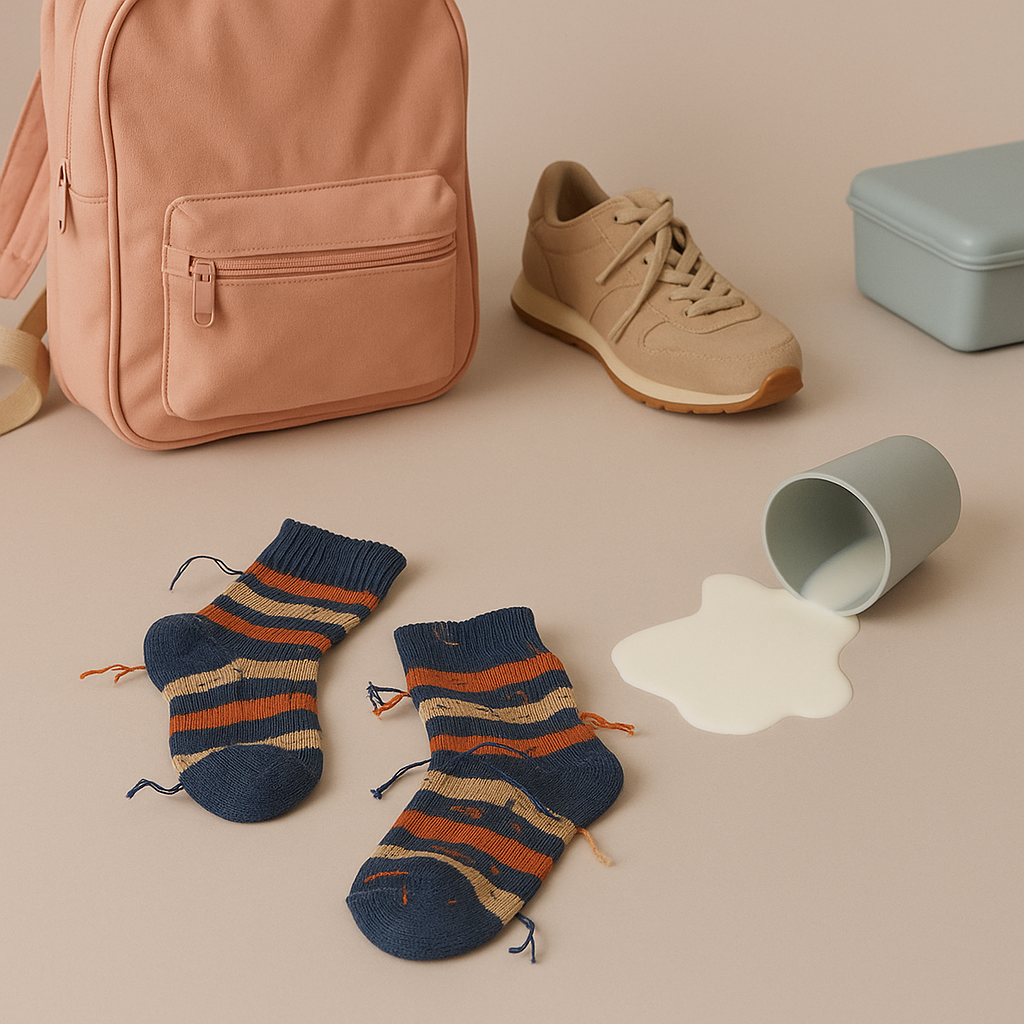
Every Morning Starts with Tears Picture this: you’re already running late for school. Lunchbox packed, backpack ready. All that’s left is socks and shoes. But the moment you hand them over, your child screams: “They hurt! I can’t wear these!” Shoes are tossed aside, tears roll down, and suddenly the whole morning is chaos. For many parents, this isn’t a rare tantrum — it’s the daily reality of raising a sensory-sensitive child. Why Socks Can Feel Like a Nightmare It’s tempting to think your child is just being stubborn, but for kids with sensory sensitivities, socks can trigger extreme discomfort. Their brains process touch more intensely, so what feels minor to you feels unbearable to them. Seams may press like pebbles against toes, fabrics that seem soft can feel scratchy, and elastic bands may feel painfully tight. Even temperature or texture changes can overwhelm their nervous system. To you, it’s just a sock — to them, it can feel like torture. The Ripple Effect on Family Life Morning battles over socks affect more than just a child’s comfort. Parents often start their workday stressed and drained, children arrive at school upset and less able to focus, and siblings absorb the tension, turning mornings into a battleground. As one parent put it: “It’s such a small thing, but it controls everything about our mornings.” A Different Kind of Sock The solution isn’t to force your child into socks they can’t tolerate, but to offer socks designed for their needs. Sensory-friendly socks remove the triggers that overwhelm sensitive feet: Seamless design → no toe bumps or rough stitching Breathable fabrics → keep feet cool and calm Gentle stretch → secure without squeezing Parents are often amazed by the change. One mother said: “We went from twenty minutes of screaming to my son happily putting on his socks and shoes himself.” Practical Strategies for Parents Even with the right socks, mornings can still be tricky. Preparing outfits the night before reduces surprises, while pre-washing socks makes them softer. Stocking up on the one pair your child loves avoids last-minute panic, and offering small choices — like which pair to wear — helps kids feel in control. Some parents even celebrate half-days in socks as a real victory. The Emotional Side Parents Don’t Talk About From the outside, refusing socks might sound trivial. But for families, it can be exhausting and isolating. Parents often struggle with guilt for not handling it better, frustration that something so simple feels impossible, or loneliness when others don’t understand sensory struggles. Recognizing that it’s not defiance but a real sensory need changes everything. Instead of conflict, mornings can shift toward collaboration: “How can we make this more comfortable for you?” FAQ: Socks and Sensory Sensitivity Why does my child refuse to wear socks?Because their nervous system processes textures more intensely, making seams or fabrics unbearable. Can seamless socks really make a difference?Yes. Parents often report calmer mornings once they switch to sensory-friendly socks. Do all children with sensitivities struggle with socks?Not all, but it’s one of the most common clothing battles. Are sensory-friendly socks only for children?No. Many adults with sensitivities also benefit from them. A Personal Note We often hear from parents who felt hopeless: “I dreaded mornings because I knew the sock battle was coming.” One mom shared how her daughter, who had cried every morning for years, tried on Blusss seamless socks and quietly said: “These don’t hurt.” Another family told us their son, who always went to school without socks, finally wore them proudly after finding a pair he could tolerate. “It sounds like such a small change,” they said, “but it gave us back our mornings — and his confidence.” That’s the power of the right clothing. It’s not about spoiling kids — it’s about giving them the comfort their nervous system needs to feel safe, calm, and ready for the day. 👉 Try our sensory-friendly socks and make mornings peaceful again.

Continue reading