Clothing and Calm After Burnout: Easing an Overloaded Nervous System

Burnout doesn't just leave you tired — it can leave your whole system raw. Sounds feel louder, light feels brighter, and clothes you wore happily for years can suddenly feel scratchy, tight or simply too much. That isn't your imagination: when the nervous system is overloaded, it registers ordinary input more intensely, and touch is one of the most constant inputs there is. Clothing can't fix burnout, but it can stop adding to the load. Soft, seam-free, non-binding pieces — and calming, deep-pressure tools — remove a steady source of irritation, so your day starts with a lower sensory baseline. This guide explains why that happens and what helps.
What does burnout have to do with sensory sensitivity?
Burnout is a state of chronic stress and exhaustion, and when the nervous system has been running in overdrive for a long time it often becomes more reactive, not less. Everyday stimulation you used to filter out now gets through: the hum of a label, the grip of a waistband, the seam of a sock. This heightened response to ordinary input is common during and after burnout, and it overlaps with what highly sensitive people feel all the time. It isn't weakness or being difficult — it's an exhausted system with less capacity to absorb input.
Sensory sensitivity after burnout: when an exhausted, overloaded nervous system responds more intensely to everyday input — touch, sound, light — so that clothing and other stimuli that once went unnoticed feel irritating or overwhelming. Soft, non-binding clothing and calming deep pressure lower that input; they support comfort during recovery rather than treating burnout itself.
Why clothing matters when you're running on empty
The World Health Organization describes burn-out as a syndrome resulting from chronic workplace stress that hasn't been successfully managed. During recovery, lowering unnecessary stimulation helps the system settle — and clothing is one of the most constant stimuli there is, against your skin all day with no off switch. A scratchy seam or a digging waistband becomes background stress that drains the little energy you have. Remove it and you free up capacity for everything else. To be clear, this is about comfort, not treatment: the right clothes and tools make recovery more bearable, but they aren't a therapy and don't replace professional support from a GP or psychologist.

What helps: lowering the daily sensory load
- Swap tight waistbands and cuffs for soft, non-binding fits — steady pressure on an already-sensitised body adds up over a day.
- Choose seam-free, tag-free pieces in fine, soft fibres like bamboo, so there's nothing to catch, dig in or scratch.
- Build a small "low-stimulation" capsule of go-to soft pieces, so getting dressed isn't one more decision to make.
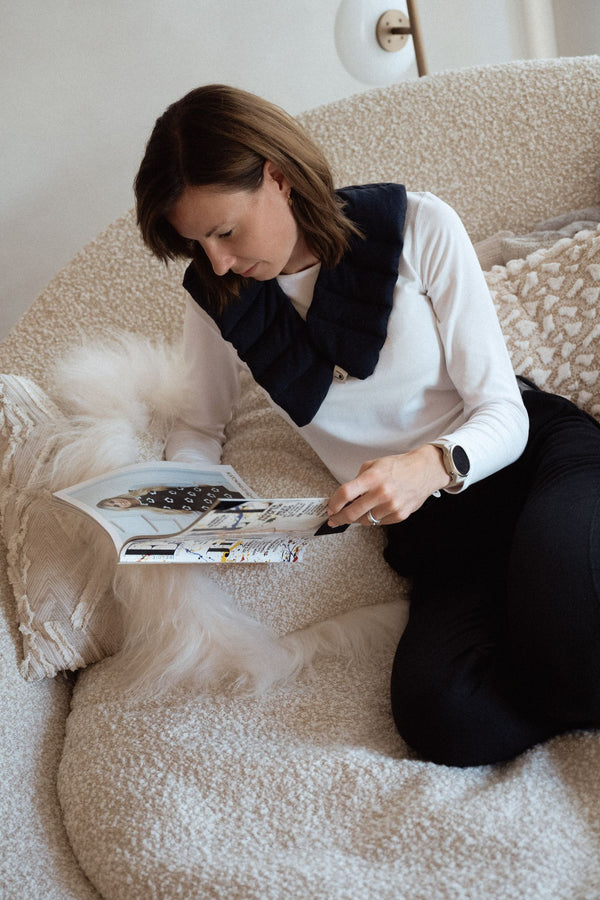
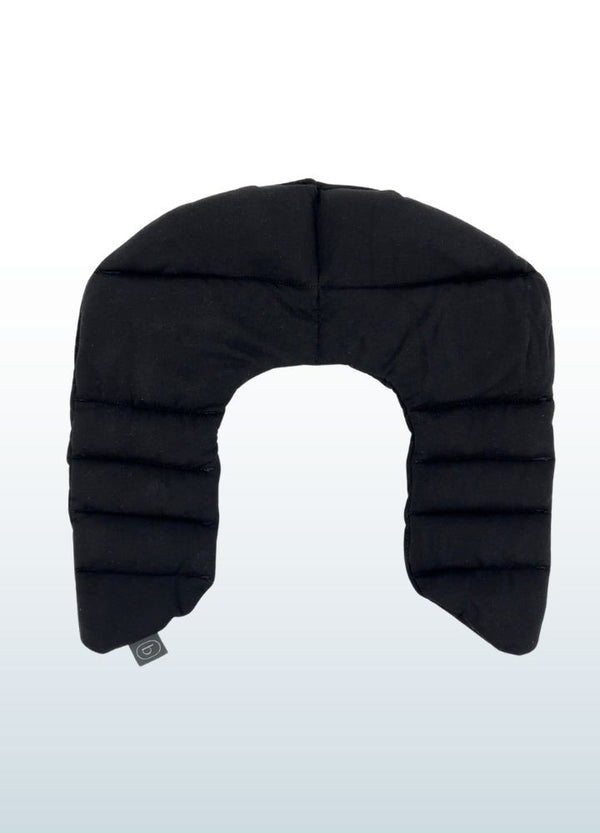
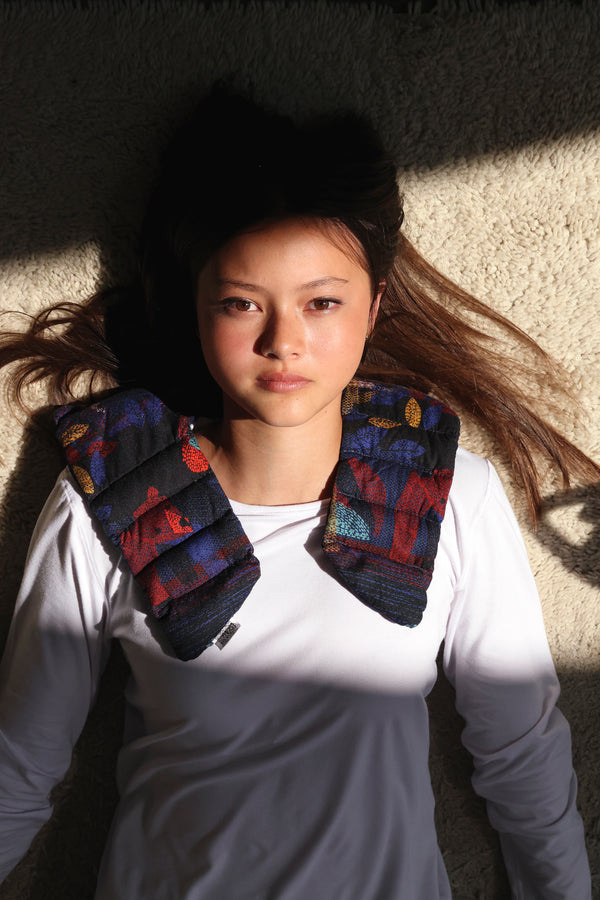
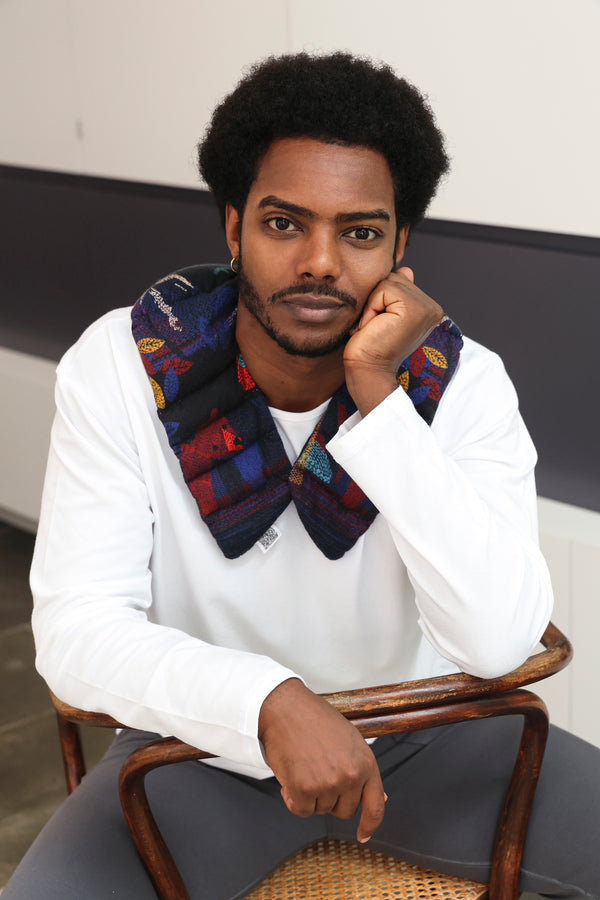
- Add calming deep pressure — a weighted collar or weighted item — which many people find grounding when the nervous system feels wired.
- Change into soft clothes as soon as you get home, to mark the shift into recovery time.
- Keep layers light and breathable, so temperature swings don't become one more thing to manage.
It's not just clothing — pressure, texture and rest
Soft fabric helps most alongside seam-free, tag-free construction and a relaxed fit, so look for all three rather than fabric alone; our guide to fabrics that don't itch compares the gentlest options. Two companion guides take this further: a low-stimulation wardrobe and daily routine shows how to build the capsule and the habits around it, and weighted and calming tools for burnout covers deep pressure in practice. For the mechanism behind it, how weighted products help you move from stress to calm goes into more detail. If heightened sensitivity has been part of your life beyond burnout, our guide for highly sensitive adults goes wider, and what sensory sensitivity is explains the underlying mechanism.
Blusss clothing and calming tools for recovery
Blusss is built around fine, soft fibres and seam-free, tag-free finishing, with non-binding fits that don't press on a sensitised body. The AIR SLIM seamless trousers swap tight elastic for a soft waistband, and across the calming range you'll also find tools like the weighted collar, which adds gentle deep pressure that many people find soothing. The principle is the same throughout: nothing that scratches, digs in or grips, and a little calm where it helps. Blusss makes everyday sensory-friendly clothing and calming tools, not medical products — they aren't a treatment for burnout, and if burnout is affecting your daily life, a GP or psychologist is the right person to talk to.
FAQ
Can clothing help with burnout?
Not as a treatment. Soft, seam-free, non-binding clothing can lower the daily sensory load, which many people find calming during recovery — but it doesn't treat burnout. For that, speak to a GP or psychologist.
Why does everything feel "too much" after burnout?
Because an exhausted, overloaded nervous system often becomes more reactive, so ordinary input like seams, labels, sound and light gets through instead of being filtered out. Lowering that input helps the system settle.
What clothing is best when your nervous system is overloaded?
Seam-free, tag-free pieces in fine, soft fibres like bamboo, with soft, non-binding waistbands and cuffs. Avoid tight elastic, stiff labels and scratchy fabrics.
Do weighted products help with stress?
Many people find gentle deep pressure, like a weighted collar, grounding and calming when they feel wired. It's a comfort tool that supports rest, not a medical treatment.
Is sensory sensitivity after burnout permanent?
Often it eases as the nervous system recovers, though some people are highly sensitive by nature. Either way, lowering unnecessary input tends to help day to day.
Should I see a professional?
If burnout is affecting your sleep, work, mood or daily functioning, yes — a GP or psychologist can help. Comfortable clothing and calming tools can support you day to day, but they don't replace professional care.
Key takeaways
- Burnout can leave the nervous system overloaded, so clothing and other input feel more intense — it's real, not fussiness.
- Soft, seam-free, tag-free, non-binding clothing removes a constant trigger and lowers the daily sensory load.
- Calming deep pressure, like a weighted collar, helps many people feel grounded during recovery.
- Tight waistbands and cuffs are a common pressure point — swap them for soft, non-binding fits.
- It's about comfort, not treatment — see a GP or psychologist if burnout affects daily life.