Autism and Clothing for Adult Women: Getting Dressed Without the Daily Sensory Battle

For many autistic women, getting dressed is a small daily negotiation that no one else sees. A bra that digs, a waistband that presses, a label that won't stop announcing itself — each one is tolerable on its own, but together they add a low hum of discomfort to the whole day. Often diagnosed late, or not at all, autistic women tend to have learned to push through it. But clothing that constantly demands attention is a real drain on energy and focus. This guide looks at why clothing is so often a battle, and how soft, seamless, predictable pieces make getting dressed calmer.
Why is clothing such a common struggle for autistic women?
Clothing is a common struggle for autistic women because autistic people often process touch more intensely, so a seam, label or tight band that others tune out can feel impossible to ignore. The National Autistic Society explains that autistic people can be far more sensitive to textures and other sensory input, and that the ability to tolerate a trigger drops when someone is tired, stressed or already overloaded. Many women have spent years masking that discomfort — pushing through it rather than naming it — which is part of why so many are diagnosed late. The clothing doesn't stop bothering them; they have just learned not to show it.
What is masking? Masking is the effort of hiding or suppressing autistic traits to fit in — including pushing through sensory discomfort instead of showing it. Many autistic women mask so well, for so long, that they are diagnosed late or not at all. Quietly tolerating clothing that digs, scratches or overheats is a form of masking, and it uses energy all day.
The clothes most likely to cause sensory overload
A few items come up again and again. The bra is often the biggest: bands, underwires and seams press in the same spots all day. Waistbands on jeans and trousers dig into the stomach. Stitched-in labels scratch the neck and back. Rough or synthetic fabric prickles or traps heat. And socks with a thick toe seam or tight cuff niggle at the feet. None of these is dramatic on its own, but for a sensitive nervous system they stack up into genuine sensory overload by the end of the day.
Soft, predictable basics that lower the load
The most reliable fix is to make the layer against your skin completely unremarkable. A soft, seam-free t-shirt in bamboo or organic cotton has no collar label and no rough shoulder or side seams, so there is nothing to notice. Many autistic women also find a soft seamless tee the most bearable layer under a bra, where bands and seams are the main problem. A soft long-sleeve does the same for cooler days. Sticking to a small set of basics you trust means fewer surprises — and our guide to which fabrics don't itch helps you choose.


Bottoms without a fight
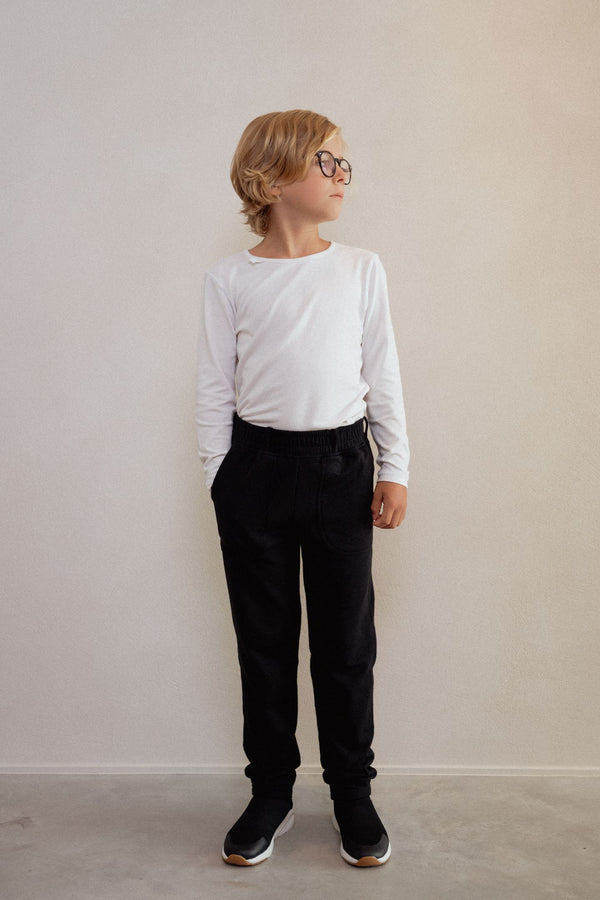
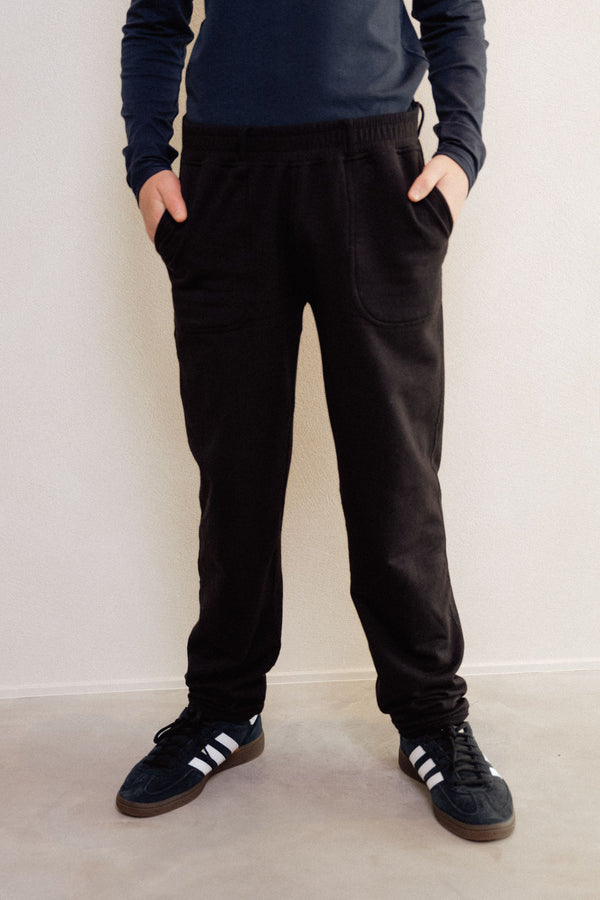
Waistbands are the next thing to fix. A soft, stretchy trouser or a soft-denim jean with a wide, non-binding waistband removes the all-day pressure of a stiff band, and has no rough inner seams to rub. If jeans have always been unbearable, our piece on why so many adults can't stand jeans explains what to look for.


Underwear and socks that don't demand attention
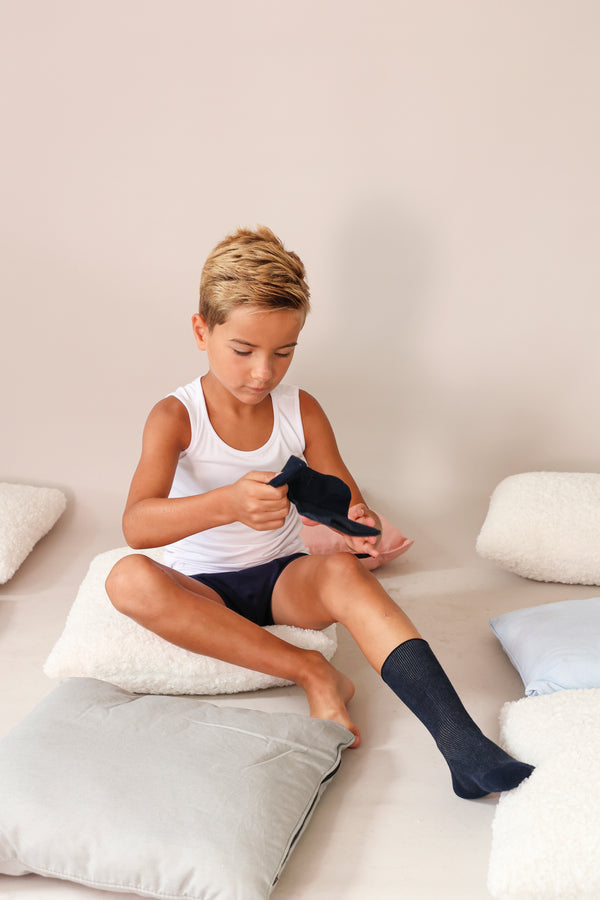
Underwear and socks are small but persistent. Seamless, tagless briefs sit flat with nothing to dig in, and soft bamboo socks with no thick toe seam or tight cuff stop the constant foot-niggle that can derail focus.


Building a low-stimulus uniform
Many autistic women find the calmest solution is a uniform: a small, repeatable set of pieces that are all known-comfortable, so getting dressed needs almost no decisions. Here is a simple way to build one:
- Pick one soft, seamless t-shirt you trust and buy it in a few colours.
- Add a soft long-sleeve in the same fabric for cooler days.
- Choose one soft, non-binding trouser or jean that works for most days.
- Settle on seamless, tagless underwear and soft socks, and stick with them.
- Keep to one or two fabrics, like bamboo or organic cotton, so everything feels familiar.
- Go tagless, or remove labels from anything you already own.
- Wash everything the same way — fragrance-free, no fabric softener — so nothing changes how it feels.
Getting dressed without the daily sensory battle
Clothing is supposed to be the part of the day you don't have to think about. When the bra stops digging, the waistband stops pressing and the labels are gone, that low hum of discomfort lifts — and the energy it was quietly taking comes back. You don't have to justify needing this; comfort is reason enough.
At Blusss we design soft, seamless, low-stimulus clothing for exactly this. Start with our overview of sensory-friendly clothing for women, browse our skin- and sensory-friendly clothing, or read our essential guide to soft clothing for adults with autism for the bigger picture.
FAQ
Why do autistic women often find clothing harder than expected?
Autistic people often process touch more intensely, so seams, labels and tight bands that others ignore can feel impossible to tune out. Many women have masked that discomfort for years, which is also why a lot are diagnosed late.
What clothing tends to cause the most trouble?
Bras (bands, wires and seams), tight waistbands, stitched-in labels, rough or synthetic fabric, and socks with thick toe seams or tight cuffs.
What can I do about bras if they're the worst part?
Choose the softest, least structured option you're comfortable in, and consider a soft seamless tee underneath to cushion the band and seams. There is no single right answer — comfort comes first.
What fabrics are best?
Soft, breathable natural fibres like bamboo and organic cotton, which feel smooth, manage heat and rarely prickle.
Why does a clothing uniform help?
Repeating a small set of known-comfortable pieces removes daily decisions and guarantees nothing will surprise your senses, which lowers stress and saves energy.
Is this only relevant if I have a diagnosis?
No. Whether or not you're diagnosed, if clothing regularly overwhelms or drains you, soft seamless pieces can make day-to-day life noticeably calmer.
Key takeaways
- For many autistic women clothing is a hidden daily battle — bras, waistbands, labels and rough fabric stack up into real sensory overload, often masked rather than shown.
- Soft, seamless, tagless, breathable basics remove the things that snag attention, so clothing stops draining energy.
- A small, repeatable uniform in one or two trusted fabrics makes getting dressed almost decision-free and reliably comfortable.
Related reading