Breathable, Soft Clothing for Menopause: Dressing for Hot Flushes, Night Sweats and Sensitive Skin

Menopause changes how clothes feel. Hot flushes arrive without warning, night sweats interrupt sleep, and skin that was never fussy can turn dry, prickly and easily irritated. Suddenly the bra band, the synthetic blouse and the stiff waistband all matter in a way they didn't before. The good news: the right fabrics and cuts make a real difference. This guide covers what to wear, day and night, to stay cooler, calmer and more comfortable through the menopause transition. To be clear from the start, clothing is a comfort choice, not a treatment — it can't change your symptoms, but it can stop adding to them.
Why does clothing feel so different during menopause?
Clothing feels different during menopause because shifting hormones affect both body temperature and skin at the same time. As oestrogen falls, the body's internal thermostat becomes less stable, which triggers hot flushes and night sweats; the NHS lists these among the most common menopause symptoms. The same hormonal shift means skin produces less oil and collagen, so it becomes drier, thinner and more reactive to rough or synthetic fabric. Put together, clothes that trap heat or scratch are far less tolerable than they used to be, which is why fabric choice suddenly matters so much.
What are hot flushes and night sweats? They are the most common "vasomotor" symptoms of menopause: sudden waves of heat, flushing and sweating caused by the body's temperature regulation becoming unstable as oestrogen drops. During the day they're called hot flushes; at night, when they disrupt sleep, they're called night sweats. Breathable, moisture-wicking clothing won't stop them, but it makes them far easier to live with.
The best fabrics for staying cool and calm
The best fabrics for menopause are soft, breathable natural fibres that move heat and moisture away from the skin. Bamboo and organic cotton are the standouts: they feel smooth, let air circulate and absorb moisture instead of trapping it, so a hot flush passes faster and leaves you drier. Synthetics like polyester tend to do the opposite, holding heat and sweat against the skin. Texture matters just as much once skin turns sensitive, and our guide to which fabrics don't itch explains what to look for.
Daywear that keeps up with hot flushes
For daytime, the key is loose, layerable pieces in breathable fabric, so you can adjust as your temperature swings. A soft, seam-free bamboo t-shirt works as a cool base layer with nothing to scratch or cling.

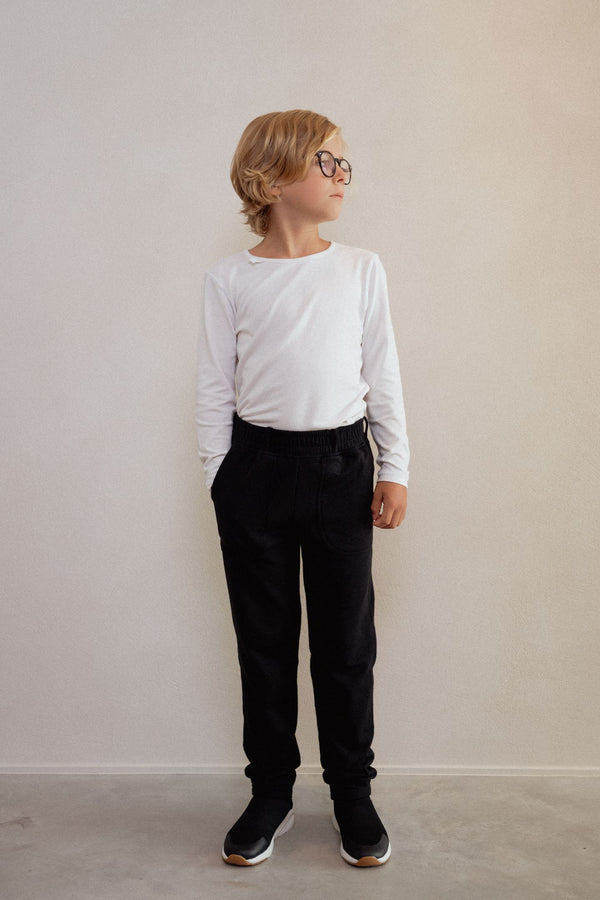
A light long-sleeve you can push up or take off makes layering easy when a flush passes and the chill that follows sets in.

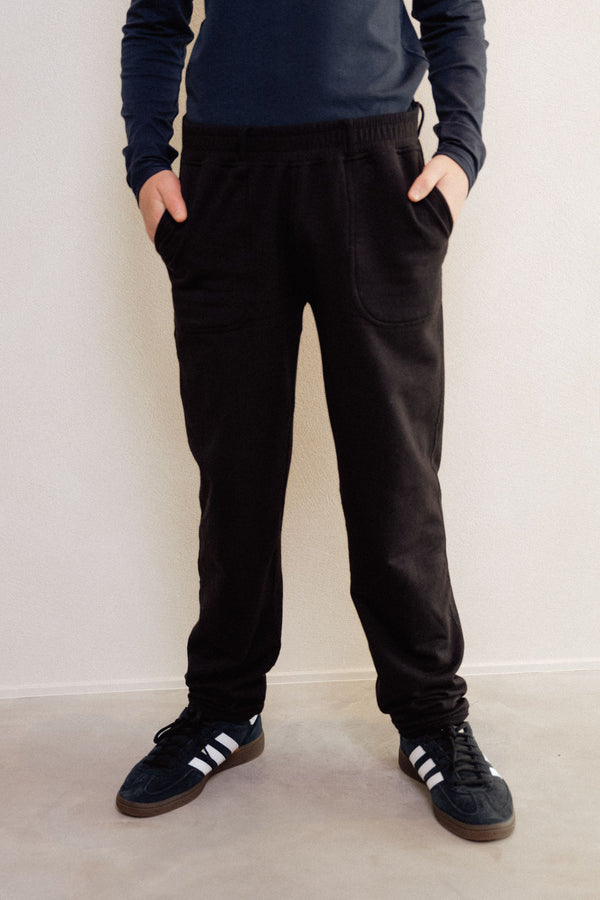
Bottoms with a soft, non-binding waistband remove the extra discomfort of pressure on the stomach when you're already warm or bloated.

Nightwear and night sweats
For night sweats, breathable bamboo nightwear makes the biggest difference, because fabric that wicks moisture and lets heat escape means you wake less often, damp and overheated. A soft seamless tee and light, breathable layers you can throw off are easier to manage than heavy cotton or clingy synthetics. Our guide to the best sleepwear for menopause night sweats goes through layering in detail.
Underwear and socks
Underwear and socks are small but matter for temperature and comfort. Breathable bamboo briefs that sit flat don't trap heat where you least want it, and stay comfortable through a flush.

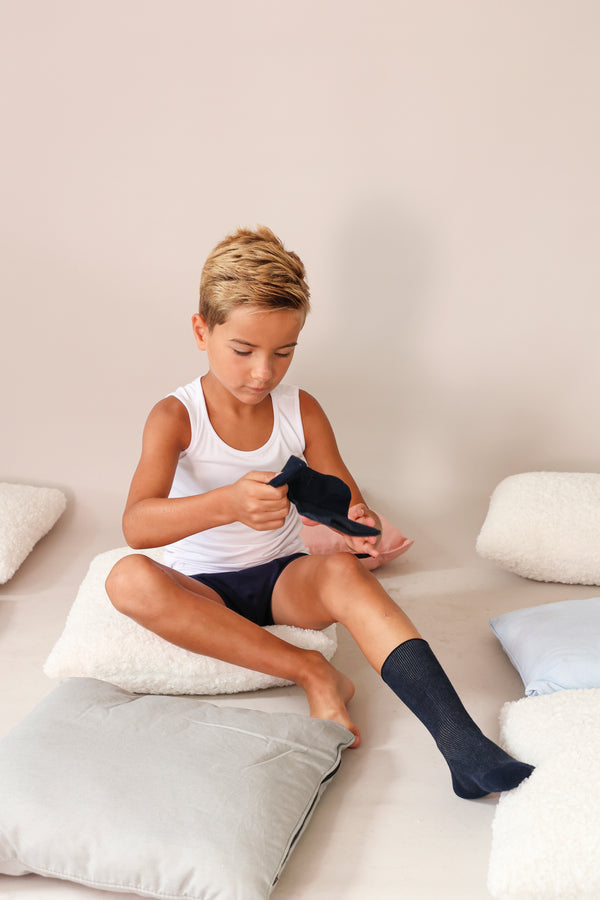
Soft bamboo socks are light and breathable and wick moisture, which helps if menopause has made your feet run hot, cold or restless at night.

What to do about menopausal itchy skin
Menopausal skin often becomes dry, thin and itchy, and some women feel formication, a crawling or prickling sensation on the skin. Soft, smooth, breathable fabric against the skin reduces the friction and overheating that make itch worse, while rough wool and synthetics tend to aggravate it. Our guide to menopause and itchy skin covers this in full, and how sensory-friendly clothing helps with skin problems looks at reactive skin more widely.
Building a menopause-friendly wardrobe
You don't need to replace everything at once. A few reliable, breathable pieces cover most days and nights. Here's a simple way to build them up:
- Start with soft, seam-free bamboo or organic-cotton tops as your cool base layer.
- Add a light long-sleeve you can layer on and off as flushes come and go.
- Choose bottoms with a soft, non-binding waistband for warm or bloated days.
- Set up breathable bamboo nightwear so night sweats wake you less.
- Switch to breathable, seamless underwear and soft bamboo socks.
- Favour one or two natural fabrics and avoid heat-trapping synthetics next to the skin.
- Wash everything fragrance-free, without fabric softener, to keep sensitive skin calm.
Staying cool and comfortable through menopause
Menopause is enough to manage without your clothes adding to it. When fabric breathes, waistbands stop pressing and nothing scratches, hot flushes pass more easily, nights are less broken and sensitive skin gets a rest. Having designed soft, seamless clothing with women navigating exactly these changes, we've seen how much difference a few breathable basics make. At Blusss we focus on soft, breathable, low-stimulus pieces for day and night. Blusss makes everyday sensory-friendly clothing, not medical garments, and none of it treats menopause — if your symptoms are affecting your daily life, your GP is the right person to talk to. Browse our skin- and sensory-friendly clothing.
FAQ
What fabrics are best for menopause and hot flushes?
Soft, breathable natural fibres like bamboo and organic cotton. They let air circulate and absorb moisture instead of trapping heat and sweat against the skin, so flushes pass faster.
What should I wear to bed for night sweats?
Breathable bamboo nightwear and light, removable layers. Fabric that wicks moisture and releases heat means you wake less often damp and overheated.
Can clothing really help with hot flushes?
It won't stop them, but breathable, moisture-wicking, layerable clothing helps your body cool down faster and leaves you drier and more comfortable when a flush passes.
Why has my skin become so sensitive during menopause?
Falling oestrogen means skin makes less oil and collagen, so it gets drier, thinner and more reactive. Rough and synthetic fabrics that never bothered you before can start to prickle and itch.
Are synthetic fabrics bad during menopause?
They're less comfortable for most women, because polyester and similar fabrics trap heat and sweat against the skin. Breathable natural fibres are a better choice next to the body.
What about underwear and socks?
Choose breathable, seamless bamboo briefs that sit flat and don't trap heat, and soft bamboo socks that are light enough not to overheat your feet.
Key takeaways
- Menopause affects body temperature and skin at once, so clothes that trap heat or scratch become far less tolerable.
- Soft, breathable natural fibres like bamboo keep you cooler through hot flushes and night sweats and are gentler on newly sensitive skin.
- A few reliable basics - breathable tops, layerable long-sleeves, non-binding bottoms, breathable nightwear, seamless underwear and bamboo socks - cover most days and nights.
- It's a comfort choice, not a treatment - speak to your GP about symptoms that affect your daily life.