Soft Clothing for Older Adults With Thin, Fragile Skin

Choosing the right clothing can protect thin, fragile skin from the daily bruises, tears and irritation that come with ageing. As skin gets older it becomes thinner, drier and easier to damage, so a seam, a stiff waistband or a scratchy label that once went unnoticed can now leave a real mark. Soft, low-stimulus clothing works quietly in the background — reducing friction, pressure and irritation so the person wearing it can move, dress and be hugged without worry. Here is how ageing skin changes, why ordinary clothing can hurt, and exactly what to look for when comfort really matters.
Why does skin become thin and fragile with age?
Skin thins with age because the body gradually makes less collagen, elastin and natural moisture. The outer layer (the epidermis) and the deeper layer (the dermis) both become thinner, blood vessel walls weaken, and the skin loses the strength and bounce it once had. The result is skin that bruises, tears and irritates far more easily — often from the age of 60 onward, and most noticeably on the forearms, hands and lower legs.
According to the Cleveland Clinic, this fragility comes from the flattening of the junction between the skin's layers and from thinner blood vessel walls, which is why older skin bruises so readily. If you want the full picture of what this means day to day, our guide on why thin skin needs extra protection goes deeper.
What is dermatoporosis? Dermatoporosis is the medical term for chronic skin fragility caused by ageing. It describes skin that has become thin, almost transparent, and prone to bruising and tearing because collagen, elastin and moisture have declined over time. It becomes common from around age 60 and raises the risk of skin tears from even minor knocks.
How can clothing damage thin, fragile skin?
Ordinary clothing damages fragile skin through three things: friction, pressure and irritation. Rough fabrics and exposed seams rub against the skin; tight waistbands, cuffs and elastic press into it; and stiff labels scratch the same spot all day. On thin skin, that everyday contact can cause redness, itching, bruising and even skin tears — small wounds where the top layer of skin pulls away from the layer beneath.
Skin tears are more common than many people realise. International wound-care guidance from Wounds International notes that friction and shear are leading causes, and that protecting the skin — including with soft, covering clothing — is a key part of prevention. Nurses and caregivers in elderly care often notice that residents in soft, well-fitted clothing have fewer skin tears and fewer complaints of itching.
What should you look for in clothing for thin, fragile skin?
Look for clothing that removes friction and pressure while staying soft, breathable and easy to put on. The most protective pieces share a clear set of features. Use this as a simple checklist when choosing or buying:
- Flat or seamless seams, so nothing rubs or digs in along the arms, shoulders and sides.
- No scratchy labels — printed or tagless designs instead of stitched-in care tags.
- Soft, breathable fabrics such as bamboo, organic cotton or modal that glide over the skin.
- Gentle, non-binding waistbands and cuffs that hold without leaving marks or cutting in.
- Easy on and off, with wider necklines and as few fasteners as possible for stiff or painful hands.
- Longer sleeves and legs where extra coverage can shield vulnerable forearms and shins.
- Light, breathable layers that help regulate temperature and reduce sweating and itch.

Which fabrics are gentlest on fragile skin?
The gentlest fabrics are soft, breathable and naturally smooth: bamboo, organic cotton and modal lead the list. They wick moisture, let the skin breathe and have a silky surface that reduces rubbing — unlike rough wool, stiff polyester or coarse denim, which tend to scratch and trap heat. For fragile, reactive skin, a soft base layer worn directly against the body often makes the biggest difference. Our overview of the best fabrics for sensitive skin compares the options in more detail.

More than protection: comfort, dignity and confidence
The right clothing does more than prevent injury — it gives back comfort, dignity and freedom. When clothes stop hurting, getting dressed is no longer a daily struggle, a hug is no longer something to fear, and a bruise or tear is far less likely to appear without warning. That quiet sense of safety matters just as much as the physical protection.
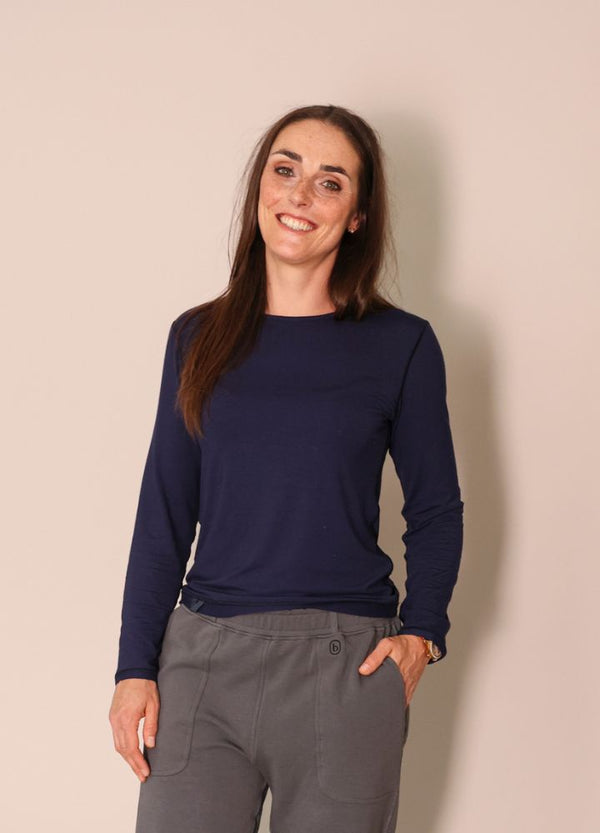
At Blusss we design soft, seamless, low-stimulus clothing for exactly this — skin that needs to be treated gently. If you are caring for someone with thin or sensitive skin, or living with it yourself, you can explore our skin- and sensory-friendly clothing and start with one soft base layer to feel the difference.

FAQ
At what age does skin usually become thin and fragile?
Most people first notice thinner, more fragile skin after the age of 60, though it can start earlier with certain medications, sun damage or health conditions. The forearms, hands and lower legs tend to show it first.
Can clothing really cause skin tears or bruises?
Yes. On fragile skin, friction from rough fabric, pressure from tight bands and constant rubbing from seams or labels can all lead to redness, bruising and skin tears. Soft, seamless clothing lowers that risk.
What is the softest fabric for fragile, sensitive skin?
Bamboo, organic cotton and modal are among the softest and most breathable choices. They feel smooth against the skin and help manage moisture, which keeps skin calmer.
Are seamless clothes better for thin skin?
Generally yes. Flat or seamless seams remove the ridges that rub and press into delicate skin, which is why they are often recommended for fragile or reactive skin.
What should I avoid in clothing for someone with fragile skin?
Avoid scratchy stitched-in labels, tight elastic waistbands and cuffs, rough or stiff fabrics, and bulky inside seams. These are the parts that most often cause irritation and marks.
Does sensory-friendly clothing only suit people with autism?
No. It was designed with sensory sensitivity in mind, but the same soft, seamless, label-free features are ideal for anyone with thin, fragile or easily irritated skin, including older adults.
Key takeaways
- Ageing skin is thinner, drier and tears or bruises more easily, so everyday seams, labels and tight bands can cause real damage.
- The gentlest clothing is soft, breathable and seamless, with flat seams, no scratchy labels and non-binding waistbands and cuffs.
- The right clothing does more than prevent injury — it restores comfort, dignity and the confidence to move freely.