What is Trauma?

What is trauma and why can it continue to affect daily life long after an event has passed? This article explains what is trauma, how to recognise its signals, and how recovery can gradually take shape through understanding, support, and sensory calm.
Understanding What Trauma Is
Trauma develops when an experience overwhelms the nervous system and cannot be processed safely at the time. This may follow a single intense event, such as an accident or sudden loss, or build over time through repeated stress, neglect, or insecurity. The impact is not defined by the event itself, but by how the body and mind experience and store it.
Trauma can affect anyone, regardless of age or background. In some people, the effects are immediate and obvious. In others, they emerge slowly, sometimes years later, often during moments of stress or change.
Common examples include:
-
Loss of a loved one
-
Serious accidents or medical experiences
-
Long-term bullying or instability at home
-
Emotional or physical neglect
Children often express trauma differently from adults. Changes in behaviour, sleep, or emotional regulation are common signals. Research from child development and mental health organisations shows that a significant group of children exposed to distressing events develop lasting stress responses.
Types of Trauma and How they Differ
Trauma is usually described in three broad forms:
-
Acute trauma: the result of a single overwhelming event
-
Chronic trauma: repeated exposure to stress or threat over time
-
Complex trauma: multiple or long-term adverse experiences, often during childhood
Recognising these distinctions helps explain why recovery looks different for each person. There is no single timeline or fixed path.
Signs and Symptoms in Everyday Life
Trauma often shows itself through both physical and emotional signals. These are not signs of weakness, but normal responses of a nervous system that remains on high alert.
Common signals include:
-
Heightened anxiety or sudden emotional reactions
-
Irritability, withdrawal, or difficulty relaxing
-
Headaches, stomach discomfort, fatigue, or disrupted sleep
-
Trouble concentrating or remembering information
-
Sensitivity to noise, light, touch, or busy environments
In children, trauma may appear as school difficulties, emotional outbursts, or regression in behaviour. Studies in child protection and youth care settings show that trauma-related complaints are frequent when safety has been disrupted.
How Trauma Affects Daily Functioning
Trauma rarely stays contained to one area of life. It can influence relationships, learning, work, and the ability to feel safe with others. Many people describe a constant sense of alertness, as if the body never fully switches off.
This ongoing tension often leads to sensory overload. Everyday stimuli such as sound, movement, or clothing textures can feel intense or draining. Children may alternate between emotional outbursts and withdrawal, while adults often report exhaustion and difficulty maintaining structure.
Long-term stress responses are linked in research to anxiety disorders, depressive symptoms, and burnout. Understanding this connection is a key step toward self-compassion and practical support.
Steps Toward Recovery and Balance
Recovery is not about erasing the past, but about helping the nervous system regain a sense of safety and flexibility. Small, consistent steps matter more than quick solutions.
Awareness and reflection
Noticing patterns is often the first shift. Questions such as “When do I feel unsafe?” or “Which situations drain my energy?” help clarify triggers. Writing these observations down or discussing them with someone trustworthy can reduce confusion and self-blame.
Professional support options
Therapeutic approaches such as EMDR, cognitive behavioural therapy, and body-oriented therapies are widely used to support trauma recovery. Many programmes now combine in-person and digital care, making support more accessible. A sense of safety and trust with a therapist remains essential.
Self-care and daily regulation
Daily routines that support regulation help stabilise the nervous system:
-
Planned rest moments
-
Gentle movement or walking
-
Breathing exercises or calming music
-
Predictable structure
Creating a low-stimulation environment can further support recovery. Soft lighting, reduced noise, and comfortable textures all contribute to a sense of ease.
The role of sensory calm
After overwhelming experiences, sensory input is often processed more intensely. Seams, labels, pressure, or sound can become sources of stress rather than neutral information.
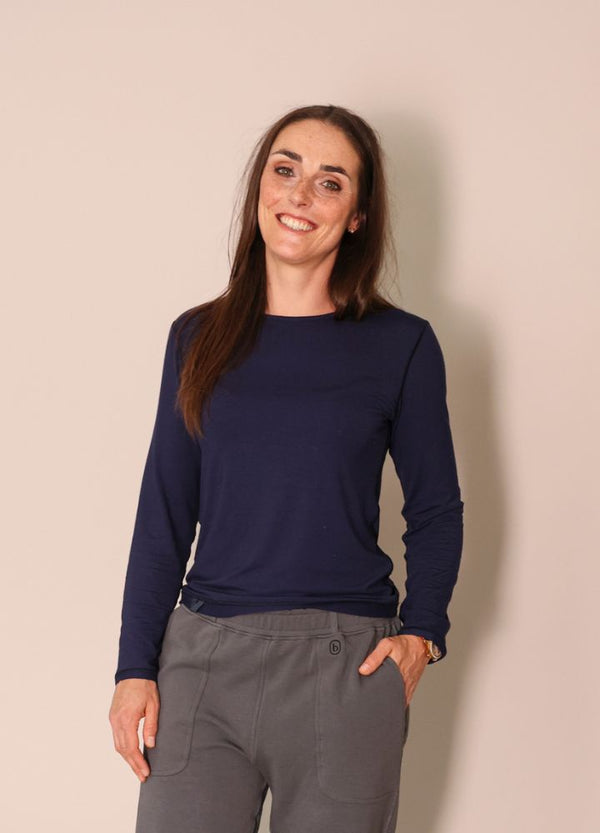
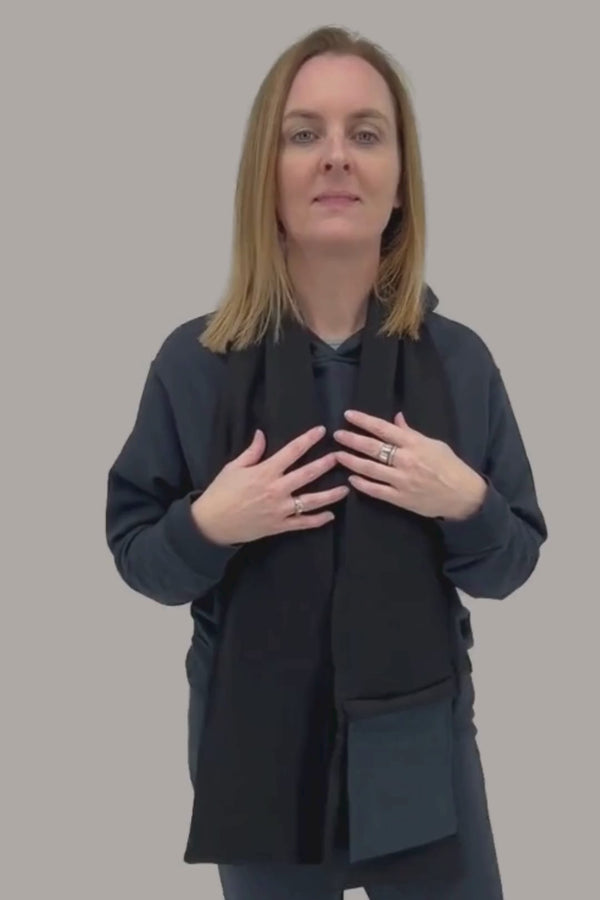
For this reason, sensory calm is not an extra comfort, but a foundation. Seamless, soft clothing and accessories reduce unnecessary triggers and allow the body to relax. Blusss offers sensory-friendly clothing and accessories designed for children and adults who experience sensory sensitivity alongside trauma, autism, ADHD, or chronic stress.
These solutions are used at home, at school, and at work to support focus, comfort, and emotional regulation.
Personal Perspective: Moving Toward Safety
Many people describe a turning point when they realise their tension has a history. Naming trauma often brings relief rather than fear. Combining conversation, body-focused awareness, and sensory adjustments can create space for rest.
Recovery rarely happens all at once. It unfolds through small changes that signal safety to the nervous system. With patience and the right support, a sense of balance can gradually return.
FAQ
What is trauma recovery support for children with sensory sensitivity?
Trauma recovery support for children with sensory sensitivity focuses on safety, predictability, and reduced sensory load. This may include therapy, school adjustments, and sensory-friendly environments. The goal is to help the nervous system feel secure enough to learn and rest again.
How can adults recognise trauma-related sensory overload at work?
Trauma-related sensory overload at work often shows up as exhaustion, irritability, or difficulty concentrating in busy environments. Adjustments such as quieter spaces, predictable routines, and comfortable clothing can reduce strain. Discussing needs with a supervisor or occupational health professional can be helpful.
Does trauma always require professional therapy to heal?
Trauma does not always require professional therapy to heal, but guidance is recommended when daily life is affected. Some people benefit from structured support, while others improve through a combination of education, social support, and self-regulation strategies.
How can sensory-friendly clothing support trauma recovery?
Sensory-friendly clothing supports trauma recovery by reducing physical triggers that keep the nervous system alert. Soft fabrics, seamless designs, and gentle pressure help the body relax. This can make emotional regulation and daily functioning easier.
In Short:
Trauma affects how the nervous system responds to safety and stress. Understanding what is trauma helps reduce confusion and self-blame. Recovery grows through awareness, support, and sensory calm.
Next step
If sensory overload plays a role in daily stress, exploring Blusss sensory-friendly clothing can support moments of rest and regulation.