Non-Binding Clothing for Chronic Pain

When you live with chronic pain, the places clothing grips can become the places you notice most. A waistband pressing on your stomach, a sock cuff digging into your ankle, a sleeve tight around a sore wrist — pressure that others shrug off can add to an already long day. Non-binding clothing is designed to take that pressure away. It won't change the cause of your pain, but it can stop your clothes from pressing on it. This guide explains what non-binding clothing is, why tight clothing can make chronic pain harder, and what to look for.
What is non-binding clothing, and why does it help with chronic pain?
Non-binding clothing is clothing made without tight elastic, stiff waistbands or gripping cuffs, so nothing digs in or leaves a mark. It helps in a simple, mechanical way: by spreading or removing pressure instead of concentrating it on one spot. Soft waistbands, gentle cuffs and a relaxed fit let clothing rest on the body rather than squeeze it, which many people find more comfortable to wear all day. It does not treat pain or change its cause — it just stops adding pressure where you least want it.
Non-binding clothing: garments designed without tight bands, stiff elastic or gripping cuffs, so they rest gently on the body instead of squeezing it. Soft waistbands and relaxed openings spread contact out rather than pressing into one line, which makes them far more comfortable for sensitive areas and for anyone who marks or aches where clothing grips.
Why tight clothing can make chronic pain harder
Tight clothing concentrates pressure on a narrow line — the waist, the wrists, the ankles — and on already-sensitive skin that steady squeeze can turn into a constant ache. Many chronic-pain conditions also come with heightened sensitivity to touch and pressure; the NHS notes that fibromyalgia involves widespread pain and increased sensitivity, and similar sensitivity appears in other conditions too. When the body is already sore, a gripping band is one more thing pressing on it all day. Non-binding clothing removes that single, constant point of pressure. To be clear, it is a comfort choice, not a treatment, and it is no substitute for your doctor's advice.

Where clothing binds most — and what to choose
A few specific spots cause most of the trouble. These are the ones worth checking, and what tends to work better.
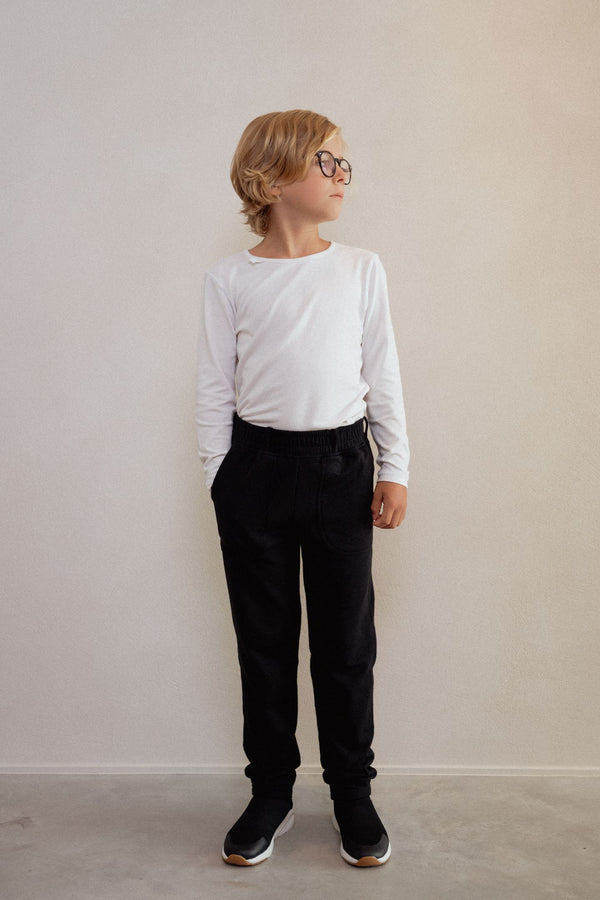
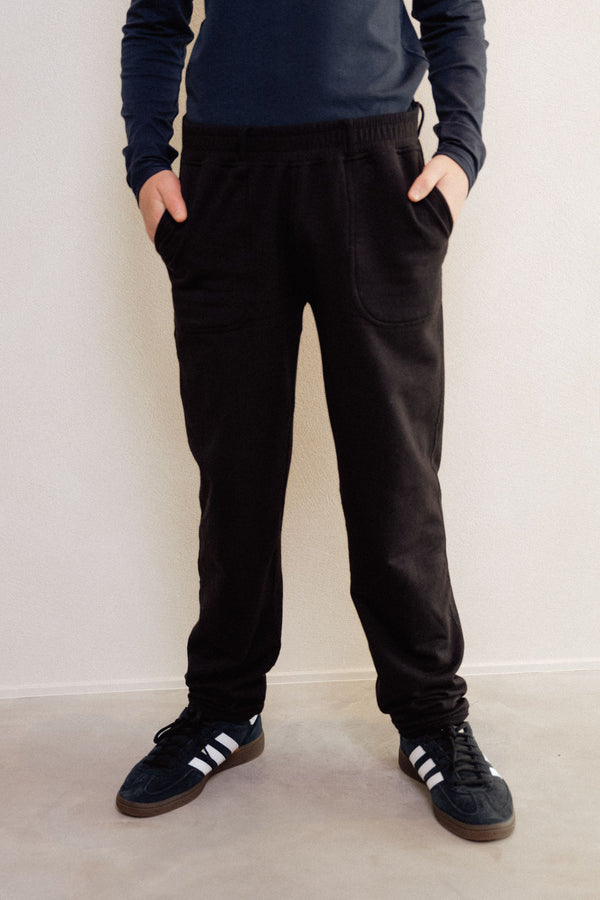
- Waist: choose a soft, wide, flat waistband or gentle elastic instead of a stiff button, zip or narrow band.
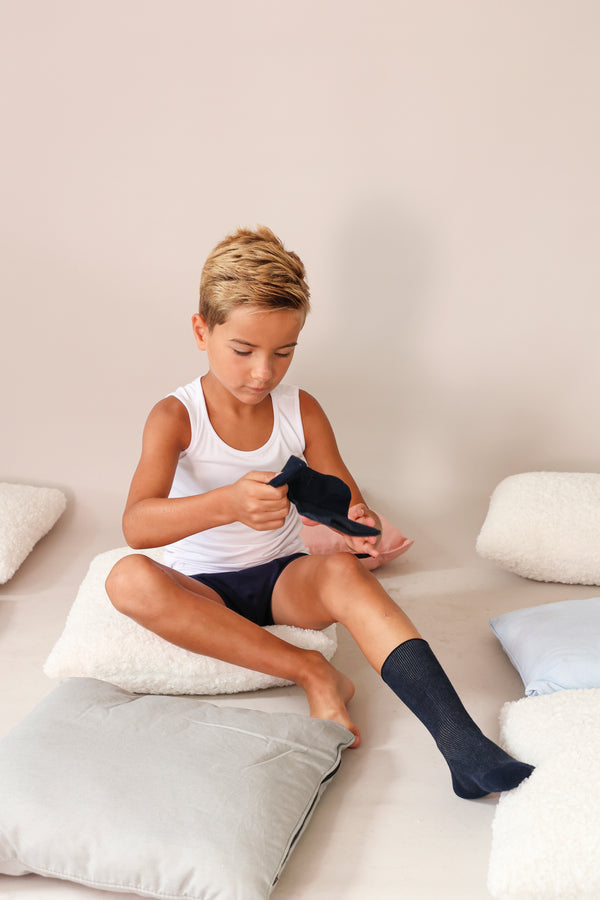
- Ankles and feet: choose seamless socks with a non-binding cuff that doesn't ring the leg.
- Wrists and arms: look for soft, loose cuffs rather than tight ribbing.
- Waist and hips (underwear): choose seam-free briefs or boxers with a soft, flat band.
- Shoulders and chest: avoid tight straps or stiff bands; choose soft, wider support.
- Overall: a relaxed, slightly loose fit spreads contact instead of concentrating it.
Soft fabric matters as much as fit
A non-binding fit works best in a soft, stretchy fabric, so the garment moves with you instead of resisting. Fine fibres like bamboo viscose and organic cotton with a little stretch flex as you move and stay light on the skin, while stiff, rigid fabrics keep their shape and press back. Fit and fabric work together: a soft waistband in a stretchy, breathable fabric is far kinder than the same shape in stiff denim. Our guide to which fabrics don't itch covers the gentlest options.
Blusss non-binding clothing
Blusss is built around soft, non-binding basics. The AIR SLIM trousers and soft comfort jeans use soft, non-binding waistbands instead of stiff buttons and zips; the seamless bamboo socks have a gentle cuff that doesn't dig into the ankle; and the SENSE boxers and SENSE briefs sit on a soft, flat band. The soft, stretchy AIR TEE and AIR LONG finish the picture on top. After years of designing seam-free, tag-free clothing with and for people with sensitive skin, our consistent experience is that a soft waistband is the change people notice first. Blusss makes everyday sensory-friendly clothing, not medical garments, and it is not a treatment for chronic pain — if pain is affecting your daily life, your doctor is the right person to talk to.
FAQ
What is non-binding clothing?
Clothing made without tight bands, stiff elastic or gripping cuffs, so it rests gently on the body instead of squeezing it or leaving marks.
Why does tight clothing make chronic pain worse?
Tight bands concentrate pressure on a narrow line of already-sensitive skin, which can turn into a constant ache. Removing that single point of pressure is what makes non-binding clothing more comfortable.
What should I look for in non-binding trousers?
A soft, wide, flat waistband or gentle elastic instead of a stiff button and zip, in a stretchy, breathable fabric so it moves with you rather than pressing in.
Are non-binding socks better for sensitive legs?
For many people, yes. Seamless socks with a soft, non-binding cuff don't ring the ankle or leave a tight mark, which is more comfortable on sensitive or swollen legs.
Does non-binding clothing help with swelling?
Non-binding clothing simply avoids adding pressure, which many people find more comfortable. It is not compression wear and not a treatment — if you have swelling, ask your doctor what is right for you.
Is non-binding clothing only for chronic pain?
No. It also suits people with sensitive skin, bloating, swelling, fibromyalgia or sensory sensitivity, or anyone who dislikes tight waistbands and cuffs.
Key takeaways
- Non-binding clothing has soft waistbands, gentle cuffs and a relaxed fit, so it rests on the body instead of squeezing it.
- Tight bands concentrate pressure on sensitive areas; removing that single point of pressure is what helps.
- Check the usual culprits — waist, ankles, wrists, underwear bands — and choose soft, flat, stretchy alternatives.
- A non-binding fit works best in a soft, stretchy fabric like bamboo or organic cotton.
- It is a comfort choice, not compression wear or a treatment — ask your doctor about pain or swelling.