What to Wear When Clothes Hurt: Dressing with Allodynia

When you have allodynia, clothes that should feel like nothing can feel like too much. Light touch — the weight of a shirt, a seam along the shoulder, a waistband resting on the skin — can register as genuine pain rather than a minor irritation. On a bad day, getting dressed at all can feel like a hurdle. The right clothes won't take allodynia away, but they can stop your wardrobe from adding to it. This guide is a practical look at what to wear when clothes hurt, and why some pieces feel so much kinder than others.
What do you wear when clothes hurt?
When clothes hurt, the kindest choices are the lightest, softest and loosest ones: fine seam-free fabric, no labels, a relaxed fit that barely touches, and as little weight on the skin as possible. The aim is to reduce both pressure and friction — fewer hard points pressing in, and less rubbing as you move. Soft, breathable basics in bamboo or organic cotton, worn loosely, tend to feel best, because they make gentle, even contact instead of sharp or shifting contact. It is about lowering what your skin has to feel, not about pushing through it.
Allodynia: pain from something that wouldn't normally hurt — a light touch, the brush of fabric, the weight of clothing. The skin's pain system is turned up, so ordinary contact is read as painful. It means the texture, weight and fit of what you wear matter far more than usual, and small changes can make a real difference to comfort.
Why light touch can hurt
With allodynia, the nervous system processes ordinary touch as pain, so sensations most people never notice can feel sharp, burning or raw. It often goes alongside conditions like fibromyalgia, where the body is generally more sensitive to touch and pressure; the NHS describes fibromyalgia as involving widespread pain and heightened sensitivity. Because the dial is turned up, the practical answer is to give the skin less to react to. Choosing soft, light, loose clothing is simply a way to lower the input — a comfort measure, not a treatment, and no substitute for the care and advice of your doctor.

Dressing tips when your skin is painful
Small adjustments to what and how you wear things can make dressing easier on a painful day.
- Choose a loose, relaxed fit so fabric rests lightly instead of pressing or clinging.
- Pick light, fine fabrics — less weight on the skin usually means less to feel.
- Go seam-free and tag-free, so there are no ridges or labels rubbing one spot.
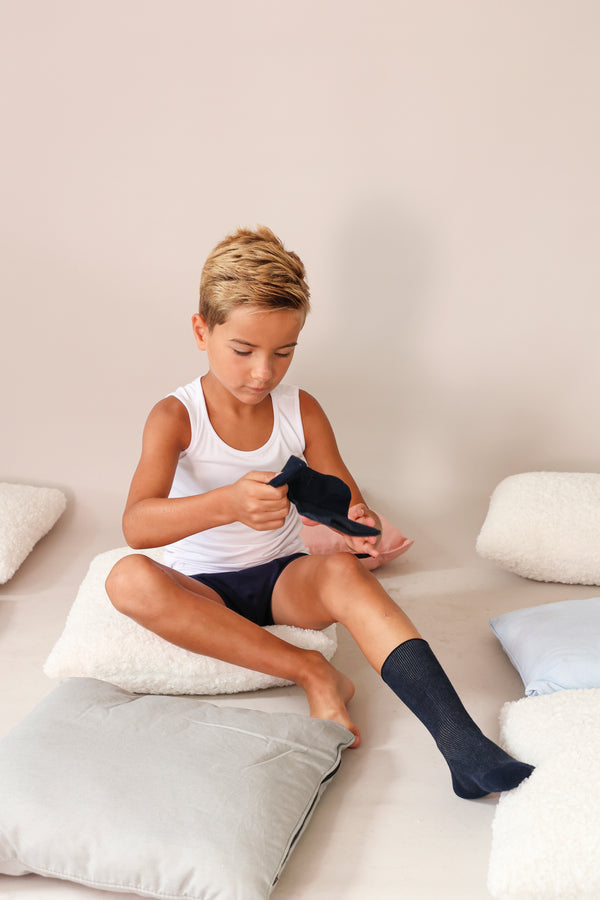
- Start with the base layer — seamless underwear and socks — since it touches you all day.
- Dress in stages, with rests, rather than rushing through it on a high-pain day.
- Lay clothes out the right way round in advance, so getting dressed takes less handling.
- Keep a few trusted, broken-in favourites for the days when nothing else feels bearable.
Which fabrics feel best on painful skin?
The fabrics that tend to feel best are soft, fine, light and breathable: bamboo viscose and organic cotton first, with modal and Tencel close behind. Their fine fibres bend against the skin rather than prickling, and they stay light and cool, so there is less weight and less heat to react to. Stiff denim, coarse wool and many synthetics tend to feel heavier and rougher. Our guide to which fabrics don't itch goes deeper on the gentlest options.
Blusss pieces that help on painful days
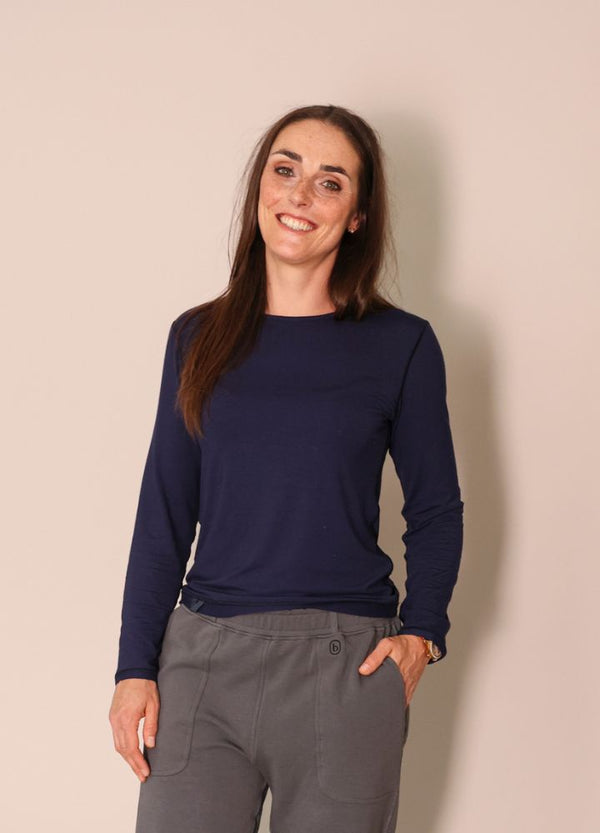
Blusss basics are soft, light and seam-free, which is exactly what tends to help when touch hurts. The AIR TEE and AIR LONG bamboo long sleeve are smooth and tag-free with nothing to dig in; the SENSE seam-free underwear and seamless bamboo socks take the seams and bands out of the layer closest to your skin. After years of designing seam-free, tag-free clothing with and for people with sensitive, reactive skin, our consistent experience is that lighter weight and no seams are what people notice first on a painful day. Blusss makes everyday sensory-friendly clothing, not medical garments, and it is not a treatment for allodynia or any pain condition — if pain is affecting your daily life, please talk to your doctor.
FAQ
What should I wear if my clothes hurt my skin?
Light, soft, loose, seam-free and tag-free clothing in fine fabrics like bamboo or organic cotton. The aim is less pressure and less friction, so fabric rests gently instead of pressing or rubbing.
Why does light touch hurt with allodynia?
With allodynia the nervous system reads ordinary touch as pain, so the weight of clothing or the brush of a seam can feel sharp or burning even though it wouldn't normally hurt.
Are loose or tight clothes better for allodynia?
Most people find loose, non-binding clothes easier, because they rest lightly and rub less. A few find gentle, even pressure soothing instead. It is worth testing what your own skin prefers.
What fabrics are gentlest for allodynia?
Soft, fine, light, breathable fibres like bamboo viscose and organic cotton are usually gentlest. Heavier, stiffer or rougher fabrics like denim and coarse wool tend to feel worse.
How can I make getting dressed easier on a bad day?
Lay clothes out in advance, dress in stages with rests, start with a soft base layer, and keep a few trusted, broken-in favourites for the hardest days.
Will the right clothes make allodynia go away?
No. Comfortable clothing can lower one source of painful input, which many people find helps day to day, but it doesn't treat allodynia or change the underlying cause. Your doctor is the right person for that.
Key takeaways
- When clothes hurt, choose the lightest, softest, loosest pieces — less pressure and less friction on the skin.
- Allodynia means ordinary touch is read as pain, so weight, texture and fit matter far more than usual.
- Go seam-free and tag-free, start with the base layer, and dress in stages on hard days.
- Light, fine fabrics like bamboo and organic cotton usually feel gentlest; denim and coarse wool feel worse.
- It is a comfort measure, not a treatment — talk to your doctor about pain affecting daily life.