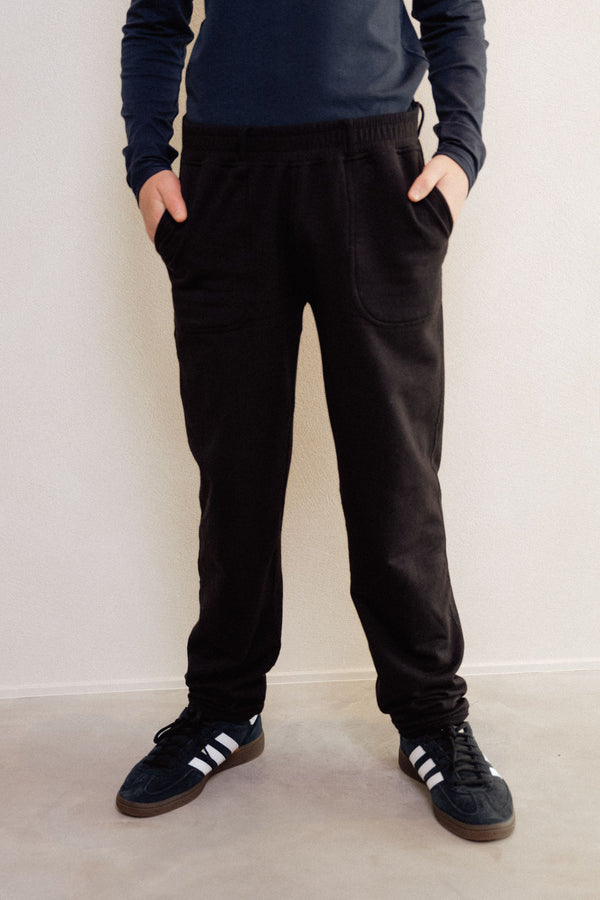
The Softest Fabrics for Fibromyalgia

With fibromyalgia, your skin can be sore or oversensitive for much of the day, and the fabric resting against it stops being a small detail. A scratchy jumper, a rough seam or a stiff, hairy wool can become a constant, low-level irritation on skin that already aches. Soft fabrics take that one source of irritation away. They won't change the cause of your pain, but they can stop your clothes from rubbing and scratching where you feel it most. This guide explains what makes a fabric soft enough for fibromyalgia, why fabric matters so much, and which fabrics tend to feel kindest.
What makes a fabric soft enough for fibromyalgia?
A fabric feels soft enough for fibromyalgia when it's made from fine fibres with a smooth surface, a little stretch and enough breathability to stay light on the skin. Fine fibres like bamboo viscose, modal and organic cotton bend easily and glide over the skin instead of catching on it, while coarse fibres and stiff weaves stand up against it and scratch. A soft fabric drapes, moves with you and stays gentle even after a long day — which, for sensitive skin, is what makes it wearable at all.
Soft, fine-fibre fabrics (like bamboo): textiles knitted or woven from thin, smooth fibres — bamboo viscose, modal and organic cotton — that flex and slide over the skin rather than scratching it. With a little stretch and good breathability, they rest lightly on sore or reactive skin instead of pressing, rubbing or catching, which makes them far kinder for anyone whose skin aches or reacts to touch.
Why fabric matters so much with fibromyalgia
Fibromyalgia often comes with heightened sensitivity, so a texture most people never notice can feel rough, prickly or even painful. The NHS notes that fibromyalgia involves widespread pain and an increased sensitivity to touch, which is exactly why fabric choice carries more weight here than it otherwise would. A coarse or hairy fabric becomes a steady source of irritation against skin that's already sore; a soft, fine-fibre fabric simply removes that trigger. To be clear, this is a comfort choice, not a treatment — soft fabric can make clothes more bearable, but it is no substitute for your doctor's advice.

The softest fabrics, from gentlest up
Not all soft fabrics are equal. These are the ones that tend to feel kindest on sensitive skin, roughly from gentlest upward.
- Bamboo viscose: silky-smooth, breathable and moisture-wicking — often the gentlest option against reactive skin.
- Modal and micromodal: very fine, smooth fibres with a soft drape that stays light all day.
- Organic cotton with a little stretch: soft and breathable, without the harsh finishes some standard cottons carry.
- Soft cotton-elastane jersey: flexible and gentle when it's tightly knitted with a smooth face.
- TENCEL / lyocell: smooth, cool and fluid against the skin.
Worth avoiding on a sore day: coarse or hairy wool, stiff or crunchy polyester, rough open-weave linen, and anything with a scratchy finish — along with hard seams and stiff labels, which can undo even the softest fabric.
Fabric is only half the story — seams and fit too
The softest fabric in the world still bothers sensitive skin if there's a thick seam down the side or a stiff label at the neck. Soft fabric works best alongside a seam-free, tag-free construction and a non-binding fit, so nothing scratches, digs in or leaves a mark. If light touch itself is painful, our guide to dressing with allodynia goes deeper, and non-binding clothing for chronic pain covers waistbands and cuffs. Our guide to fabrics that don't itch compares the gentlest options side by side.
Blusss soft-fabric clothing
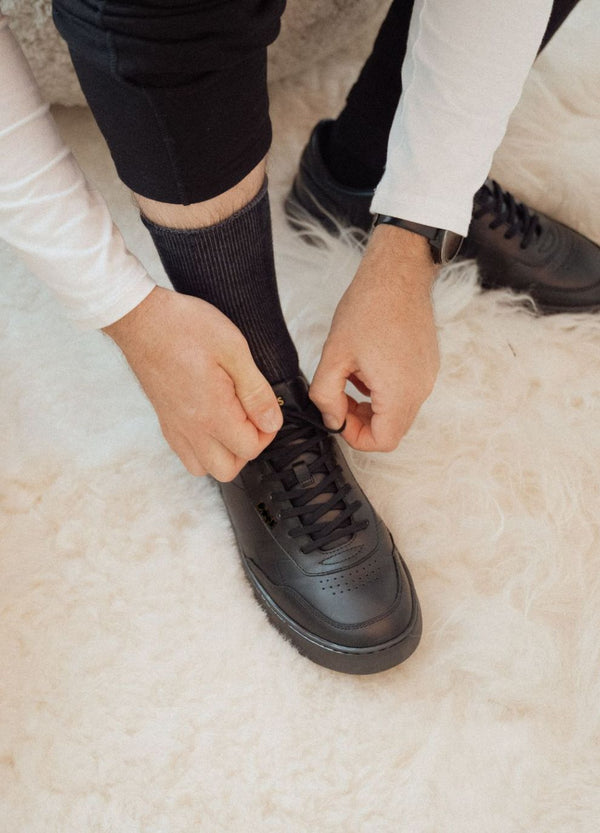
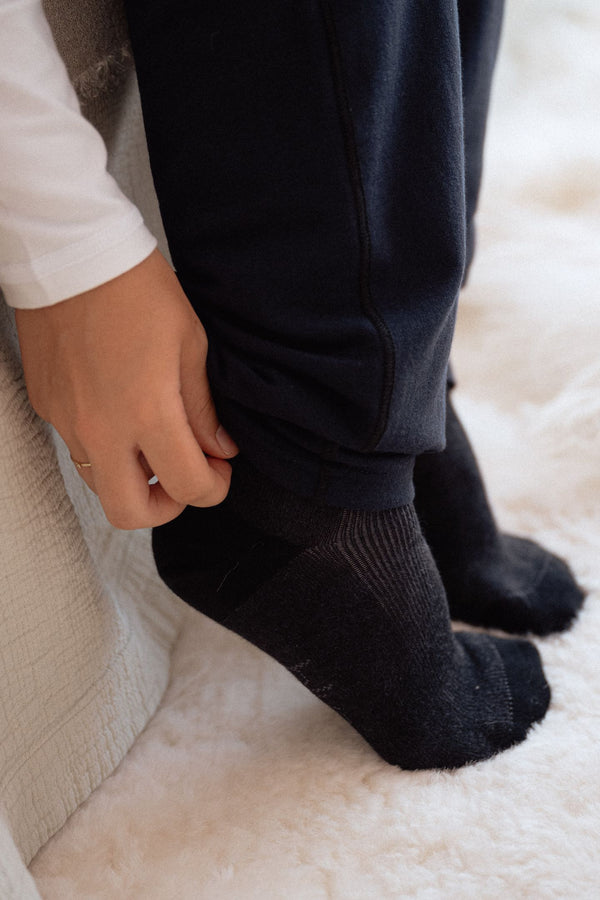
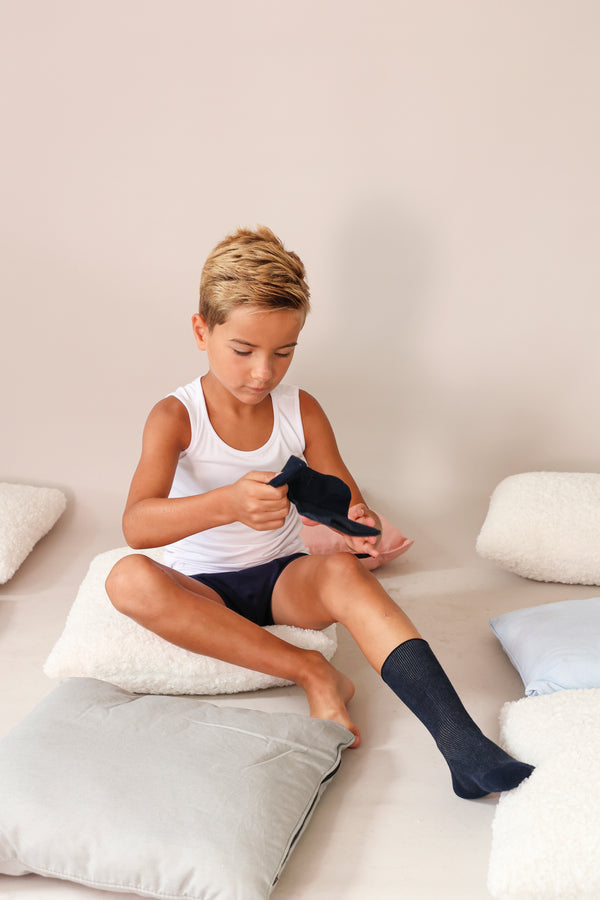
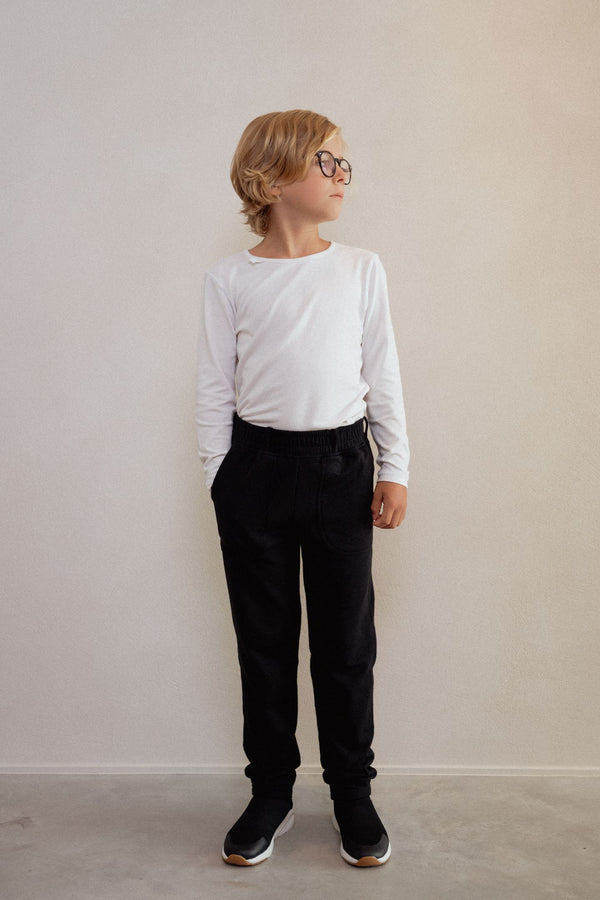
Blusss is built around fine, soft fibres and seam-free finishing. The seamless bamboo socks are made from smooth bamboo viscose with a soft, non-binding cuff, and the bamboo AIR LONG brings the same fibre to a long sleeve; the soft, breathable AIR TEE does it for everyday tops. The SENSE boxers and SENSE briefs, the AIR SLIM trousers and the soft comfort jeans round out a soft-fabric wardrobe. After years of designing seam-free, tag-free clothing with and for people with sensitive skin, the feedback we hear most is simply that a softer fabric makes getting dressed less of a battle. Blusss makes everyday sensory-friendly clothing, not medical garments, and it is not a treatment for fibromyalgia — if pain is affecting your daily life, your doctor is the right person to talk to.
Frequently asked questions
What is the softest fabric for fibromyalgia?
Many people find bamboo viscose the gentlest: it's made from very fine fibres with a smooth, silky surface that glides over sensitive skin instead of scratching it. Modal and soft organic cotton are close behind.
Is bamboo fabric good for sensitive skin?
Bamboo viscose is a fine, smooth, breathable fibre that many people with sensitive skin find comfortable. It's a comfort choice rather than a treatment, but its softness is why it's so often recommended.
Which fabrics should I avoid with fibromyalgia?
Coarse or hairy wool, stiff or crunchy polyester and rough open-weave linen tend to feel scratchiest. Hard seams and stiff labels can also irritate, even in an otherwise soft fabric.
Does cotton work for fibromyalgia?
Soft organic cotton, especially with a little stretch, suits many people. Look for a smooth, fine knit without harsh finishes, and ideally a seam-free, tag-free make.
Why does fabric feel rougher on bad days?
Fibromyalgia involves heightened sensitivity to touch that can vary from day to day, so the same fabric can feel fine one day and prickly the next. Choosing the softest fibres gives you the gentlest baseline to start from.
Can soft fabric treat fibromyalgia pain?
No. Soft fabric can stop clothes from adding irritation, which many people find more comfortable, but it doesn't treat fibromyalgia or change its cause. For pain that affects your daily life, speak to your doctor.
Key takeaways
- Soft, fine-fibre fabrics — bamboo viscose, modal and organic cotton — glide over sensitive skin instead of scratching it.
- Fibromyalgia raises sensitivity to touch, so a coarse fabric becomes a constant irritation while a soft one removes that trigger.
- Bamboo viscose is often the gentlest; avoid coarse wool, stiff polyester and rough linen on sore days.
- Fabric works best with seam-free, tag-free construction and a non-binding fit.
- It's a comfort choice, not a treatment — speak to your doctor about pain.